 Lynden Exterior
 Exterior Contracting for Everson Homes
Everson sits in the Nooksack River valley in northern Whatcom County, a few minutes from Lynden and close enough to the Canadian border and the Puget Sound lowlands that the weather patterns are shared across the whole area. Homes here deal with a long wet season, marine air that carries moisture and salt further inland than most homeowners expect, and enough shade and humidity in the wooded and riverside lots to keep moss and algae working year-round. None of that is unusual for this part of Washington, but it does mean exterior materials and workmanship matter more here than in a dry climate. A wall system or roof that would hold up fine in Spokane can fail early in Everson if it isn't built and installed for this environment.
We work throughout Lynden and the surrounding Whatcom County communities, including Everson, and we bring the same crew, the same materials, and the same installation standards to every job regardless of which side of town it's on. That consistency is worth something — a contractor who knows how this region's weather actually behaves over a 20-year span makes different decisions on flashing, ventilation, and material selection than one working from a generic spec sheet.
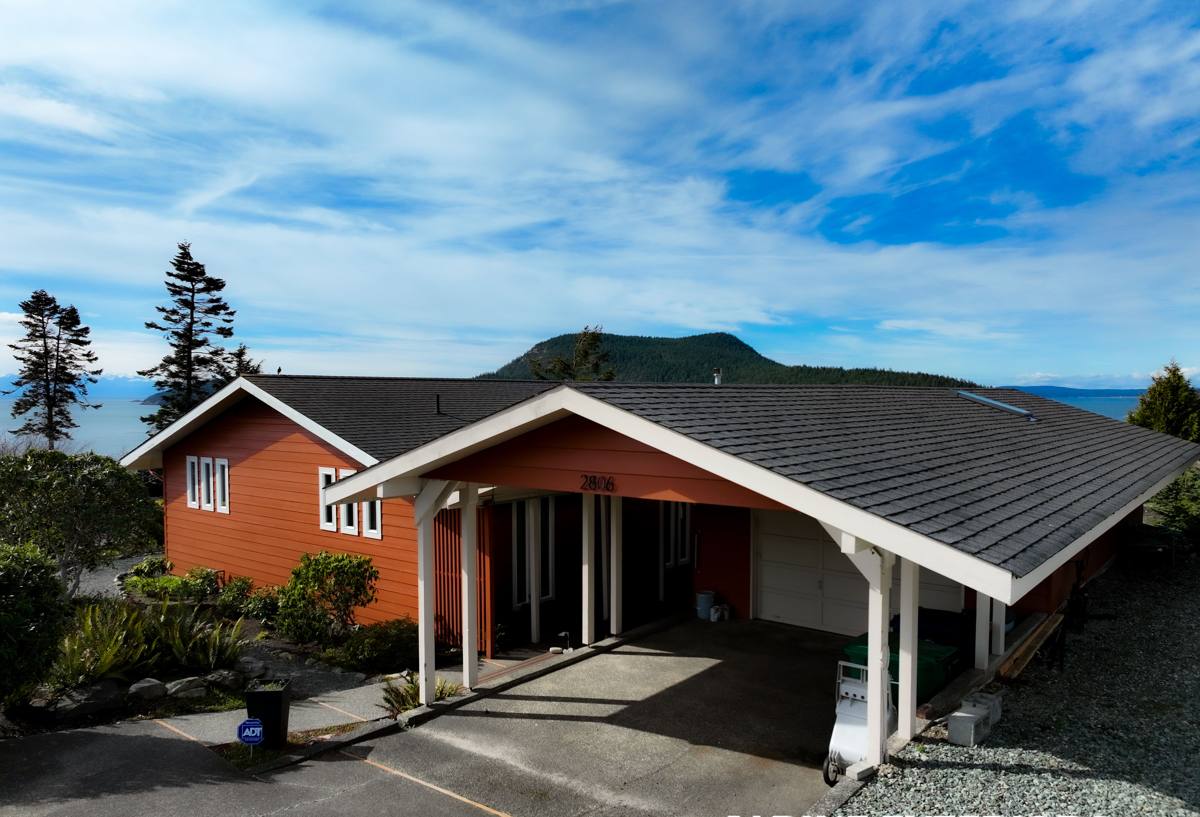
What Everson's Climate Does to a House
Rain and Moisture
Whatcom County gets a long stretch of low-intensity rain punctuated by windier storm systems that drive water sideways into walls, window trim, and roof penetrations. It's not the volume of rain that causes the most damage — it's the duration. Wood siding, trim, and even some engineered products stay damp for days at a time during the winter and shoulder seasons, and that sustained moisture is what breaks down materials that aren't built to shed and dry quickly.
Moss, Algae, and Shade
Everson has plenty of tree cover and riverside humidity, which is a good environment for moss and algae on roofs and on the north- and west-facing walls that don't get much direct sun. Moss holds moisture against roofing material and siding, and left unaddressed it works into seams and fastener points. A roof or wall system that resists moss growth, or at least doesn't trap it, saves a lot of maintenance headaches over the life of the house.
Marine Air and Salt
Everson isn't waterfront, but this whole corner of the state sits under marine air moving in off the Puget Sound and Georgia Strait, and salt-laden moisture travels further inland on wind than people assume. Metal fasteners, flashing, and trim details that aren't corrosion-resistant show it over time — streaking, rust bleed, and eventually failure at the point where two materials meet.
Siding: Why We Only Install James Hardie
We install James Hardie fiber cement siding exclusively. We don't install vinyl, LP SmartSide, Cemplank, Allura, or primed spruce or cedar siding, and we think homeowners deserve a clear, honest reason why — not just "because it's what we sell."
The Trade-offs We Ran Into
- Vinyl is inexpensive and low-maintenance, but it's a thin plastic product that can warp in heat, crack in cold, and fade over time. It also isn't a fire-resistant material, which matters more every year as wildfire smoke and ember exposure become a regional concern even west of the Cascades.
- LP SmartSide, Cemplank, and Allura are wood-strand or fiber-cement competitors that can perform well when installed and maintained correctly, but each comes with its own moisture-management sensitivities and installation tolerances. In a climate like Whatcom County's, where siding stays damp for extended stretches, we've found the margin for installation error is smaller than we're willing to accept.
- Primed spruce or cedar is a real wood product, and real wood needs real upkeep — repainting, caulking, and moisture monitoring on a schedule most homeowners underestimate. In a wet, shaded climate like this one, that maintenance burden shows up faster than it would in a drier region.
Why Hardie
James Hardie fiber cement is non-combustible, engineered specifically for Pacific Northwest moisture cycles in its HZ5 product line, and finished at the factory with ColorPlus technology, which means the color coat is baked on before it ever reaches the jobsite rather than field-applied. That matters in a climate where field-painted finishes take longer to cure and are more likely to fail early. Hardie also carries a strong transferable limited warranty, which adds real value if the home is ever sold. None of this means Hardie is maintenance-free — no exterior material is — but it holds up to sustained damp weather and shaded, moss-prone conditions better than the alternatives we moved away from, and that's the whole reason we standardized on it.
Roofing in a Wet, Moss-Prone Climate
Roofing in Everson has to deal with sustained rain exposure, moss and organic growth in shaded areas, and wind-driven water at eaves, valleys, and penetrations. We pay particular attention to underlayment quality, valley and flashing details, and ventilation — a roof that can't breathe traps moisture in the attic, which shortens the life of the roofing material from underneath as well as the top. Algae-resistant roofing materials and clean flashing work at chimneys, vents, and skylights go a long way toward keeping moss from getting a foothold in the first place.
Windows That Hold Up to Driving Rain
Wind-driven rain finds weak points at window flanges and trim faster than almost anywhere else on a house. Proper flashing and integration with the water-resistive barrier behind the siding is what actually keeps water out — the window unit itself is only part of the system. When we replace siding, window integration is one of the details we look at closely, because a leak at a window head is one of the most common sources of hidden rot we find when we open up an older wall.
Decks: Built for Wet Winters
Decks in this climate take a beating from standing water, freeze-thaw cycles, and the same shade and moss pressure that affects roofs and siding. Proper board spacing for drainage, ledger flashing where the deck meets the house, and fasteners rated for wet exposure all matter more here than in a dry climate. A deck built without those details in mind will show soft spots and surface decay well before it should.
Comparing Exterior Options for This Climate
| Factor | James Hardie Fiber Cement | Vinyl | Wood/Cedar |
|---|---|---|---|
| Moisture resistance | Engineered for PNW conditions (HZ5) | Doesn't absorb water, but seams and expansion can allow leaks | Absorbs moisture; needs consistent maintenance |
| Fire resistance | Non-combustible | Not fire-resistant | Combustible |
| Finish durability | Factory-applied ColorPlus finish | Color molded in, can fade | Field-painted, needs repainting on a schedule |
| Maintenance | Periodic caulk/paint touch-up at trim | Low, but limited repair options if damaged | Regular painting, sealing, and moss/mildew treatment |
| Warranty | Strong transferable limited warranty | Varies by manufacturer | No manufacturer warranty on the wood itself |
What to Look For in a Local Exterior Contractor
Whatcom County's climate punishes shortcuts. Flashing details that would be forgivable in a dry state show up as rot and staining within a few wet seasons here. A few things worth checking before hiring anyone for siding, roofing, window, or deck work in Everson:
- Manufacturer certification for the specific siding or roofing product being installed, not just general contracting experience
- A clear explanation of how they'll handle flashing at windows, doors, and roof-to-wall transitions
- Local references or work you can see in the area, not just photos from out of state
- A written scope of work and warranty terms before any deposit changes hands
- Proper licensing, bonding, and insurance for exterior work in Washington
- Willingness to explain trade-offs between materials honestly, including ones they don't install
Maintenance That Actually Matters Here
Whatever siding or roofing a home has, a few habits make a real difference in this climate: keeping gutters clear so water doesn't back up under roofing or siding edges, trimming back vegetation that keeps walls shaded and damp, checking caulking at trim and window joints every year or two, and addressing moss on roofs before it spreads rather than after. These are small jobs that prevent expensive ones.
A Local Crew Working in Everson
We're based in Lynden and work this whole part of Whatcom County regularly, which means we've seen how homes in Everson specifically hold up over time — what fails first, what lasts, and what the local moisture and shade patterns do to different materials and details. That's a different starting point than a crew driving in from outside the region for a one-off job.
If you're dealing with aging siding, a roof that's showing moss or wear, window leaks, or a deck that needs attention, we're happy to take a look and give you a straight assessment. Reach out for a free, no-pressure estimate using the form below.