 Lynden Exterior
 Why Roof Age Is the Starting Point, Not the Whole Story
Most homeowners in Lynden start asking about roof replacement the same way: they hear a number. Twenty years for asphalt shingles, twenty-five for architectural composition, longer for metal. Those numbers are a reasonable starting point, but they assume average conditions — moderate rain, moderate sun, decent attic ventilation, and a roof that was installed correctly the first time. Whatcom County doesn't offer average conditions. Between the driving rain off the Pacific, the marine air working its way up the Nooksack valley, and a moss season that can run eight or nine months of the year, roofs here often show their age faster than the manufacturer's brochure suggests.
The honest answer to "when should I replace my roof" is: when the roof itself starts showing you, not when a calendar says so. Age tells you when to start paying closer attention. The roof's actual condition tells you when to act.
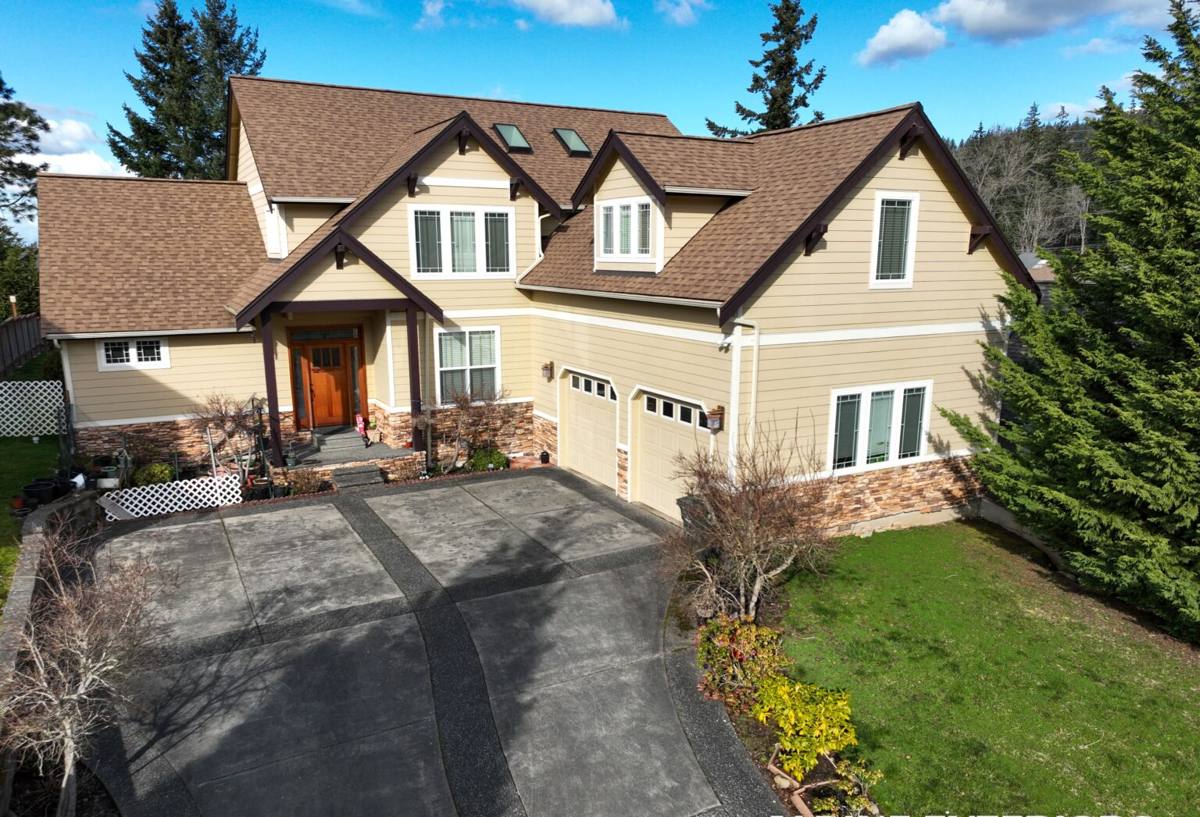
Signs Your Roof Is Telling You Something
Most roof failures don't happen all at once. They show up as small, easy-to-ignore signals for months or years before a leak actually reaches your ceiling. Walk your property a couple of times a year — after a windstorm and again in late spring — and look for these:
- Shingles that are cupping, curling at the edges, or missing granules (you'll often find the grit collecting in gutters or at downspout outlets)
- Bald or shiny patches on the shingle surface where the protective granule layer has worn through
- Moss or algae buildup that's thick enough to hold moisture against the roof deck rather than just staining the surface
- Sagging spots along the roofline, especially near valleys or over porches
- Rusted, cracked, or lifted flashing around chimneys, skylights, and where the roof meets a wall or siding transition
- Daylight visible through the roof deck when viewed from inside the attic
- Water stains, discoloration, or a musty smell in the attic or upper-floor ceilings
- Granules gone entirely in high-traffic wear zones, leaving bare, dark asphalt exposed
Any one of these on its own might just mean a targeted repair. Several at once, especially combined with a roof that's already past the midpoint of its expected lifespan, usually means it's time to start planning for replacement rather than reacting to the next leak.
How Whatcom County's Climate Shortens Roof Life
Roofing materials are rated under fairly controlled assumptions, and Lynden's weather doesn't cooperate with those assumptions. A few specific local factors matter more here than in drier parts of the state:
Moss season. North-facing slopes and anything shaded by trees can stay damp for most of the year in this part of Whatcom County. Moss doesn't just look bad — its root structure lifts shingle edges and holds water against the roof deck long after the surface looks dry, which accelerates rot at the decking level, not just wear on the shingles themselves.
Driving rain. Wind-driven rain off the Strait and the foothills doesn't fall straight down — it pushes sideways into flashing seams, roof-to-wall transitions, and under shingle tabs that would stay sealed in calmer weather. This is why flashing failures around chimneys and dormers show up here more often than in inland climates.
Salt-influenced air. Properties closer to the water deal with airborne salt that accelerates corrosion on metal flashing, fasteners, and any exposed metal roofing components. It's a slower effect than moss or rain damage, but it adds up over a couple of decades.
None of this means Lynden homes need roofs replaced unusually early. It means the visual inspection matters more here than the age chart does, and it's worth having a professional look closer at moss-prone slopes and flashing details even if the roof "looks fine" from the driveway.
Repair or Replace? How to Think It Through
Not every roofing problem calls for a full tear-off. The table below covers the factors that should actually drive the decision, rather than guessing.
| Factor | Leans toward repair | Leans toward replacement |
|---|---|---|
| Roof age | Under 12-15 years | Past 15-20 years (asphalt/composition) |
| Damage location | Isolated area (one slope, one flashing point) | Spread across multiple slopes |
| Granule loss | Light, scattered | Widespread, bald patches visible |
| Decking condition | Solid, no soft spots | Soft, spongy, or visibly sagging |
| Leak history | First occurrence, clear cause | Repeated leaks in different spots |
| Moss/algae extent | Surface staining only | Thick growth holding moisture long-term |
A useful rule of thumb: if a roofing contractor is proposing a third or fourth repair to the same roof within a few years, the math has usually already tipped toward replacement — you're paying repair prices repeatedly instead of paying once for a roof with a full warranty ahead of it.
What a Full Roof Replacement Actually Involves
A proper roof replacement is more than laying new shingles over old ones. Done right, it includes:
Tear-off and deck inspection
Old roofing material comes off completely so the roof deck underneath can be inspected. Any rotted or delaminated plywood or OSB gets replaced before anything new goes down — skipping this step is one of the most common shortcuts that leads to early failure.
Underlayment and ice/water protection
A synthetic or felt underlayment goes down across the whole deck, with self-adhering ice-and-water membrane at vulnerable points — eaves, valleys, and around penetrations — where wind-driven rain is most likely to find a way in.
Flashing
New flashing at chimneys, skylights, sidewalls, and roof-to-wall transitions matters as much as the shingles themselves. This is the detail that most often separates a roof that lasts its full rated life from one that leaks again in five years.
Ventilation
Proper intake and exhaust ventilation keeps the attic from trapping heat and moisture, which both shortens shingle life and encourages the kind of condensation that leads to rot. It's an easy thing to overlook during a replacement, and an expensive thing to fix afterward.
What Roof Replacement Costs — and Why the Range Is Wide
There's no single number that applies to every home, but the price is generally driven by the same handful of variables:
| Cost factor | Why it matters |
|---|---|
| Roof size and pitch | Steeper roofs take longer and require more safety setup, raising labor cost |
| Number of layers being removed | Tear-off of multiple old layers adds labor and disposal cost |
| Decking repairs needed | Rotted sheathing found during tear-off adds material and labor |
| Material choice | Standard asphalt, architectural shingles, and metal all price very differently |
| Roof complexity | Valleys, dormers, skylights, and chimneys all add flashing and labor time |
| Ventilation upgrades | Adding proper intake/exhaust venting where none existed adds cost but pays off in roof life |
Any contractor who quotes a firm price without inspecting the roof and, ideally, the attic first is guessing. A real quote should reflect what they actually found, not a flat per-square estimate pulled from a price sheet.
Roofing and Your Siding: What to Check at the Same Time
A roof replacement is a natural point to look at the rest of your home's exterior envelope, because the two systems meet at exactly the spots most prone to water intrusion — roof-to-wall flashing, trim boards, and the siding just below the roofline. If your siding is original to the house and showing its own age at the same time your roof is, it's worth having both evaluated together rather than fixing one and leaving the other to fail on its own timeline a few years later.
This is also where our own standard comes into play. We install James Hardie fiber cement siding exclusively — not vinyl, not LP SmartSide, not primed wood — because it holds up to the same driving rain and damp shoulder seasons that wear down roofs in this area, without the swelling, cracking, or repainting cycles that shorten the life of other siding materials. If a roof project uncovers water damage at the wall line, that's usually the moment to ask whether the siding needs the same kind of attention.
Hiring the Right Contractor for the Job
Roof replacement is one of those projects where the difference between a good result and a callback-prone one comes down almost entirely to the contractor, not the shingle brand. A few things worth checking before you sign anything:
- Washington state contractor license and proof of current liability insurance
- A written scope that specifies underlayment type, flashing replacement, and ventilation — not just "reroof"
- Manufacturer certification if you want the enhanced or extended warranty tiers many shingle brands offer
- A clear plan for deck repair pricing before tear-off begins, so there's no surprise change order
- Local references or a local physical presence — a crew that knows Whatcom County weather patterns is less likely to skip the details that matter here
Get more than one estimate, and be skeptical of any bid that's dramatically lower than the others — it's usually missing scope, not saving you money.
Making the Call
If your roof is past the midpoint of its expected life, showing more than one or two of the warning signs above, or has needed repeat repairs, it's worth getting a straight answer rather than waiting for a leak to force the decision. We're happy to take a look, tell you honestly whether you're looking at a repair or a replacement, and — if your siding is due for attention too — walk you through what that would involve. There's no pressure and no cost to get our take; reach out through the form below to schedule a free estimate.