 Lynden Exterior
 Allura Isn't a Bad Product — It's Just Not What We Install
Homeowners in Lynden researching siding replacement will run into Allura fairly quickly. It's a legitimate fiber cement manufacturer, it's been in the North American market for decades (it grew out of the old Cemplank/Nichiha-adjacent supply chain), and it's priced to undercut James Hardie at most lumberyards in Whatcom County. If a contractor tells you Allura is junk, they're overstating it. It's real fiber cement: sand, cement, and cellulose fiber, cured under pressure, resistant to fire and rot in a way that vinyl and wood never will be.
We still don't install it. Not because it fails on paper, but because of what we've seen matter over years of siding work in this specific climate — the fog off the Nooksack, the winter rain that doesn't let up for weeks, and the moss season that starts creeping across north-facing walls by November. This page explains the actual differences, not marketing claims, so you can weigh them yourself.
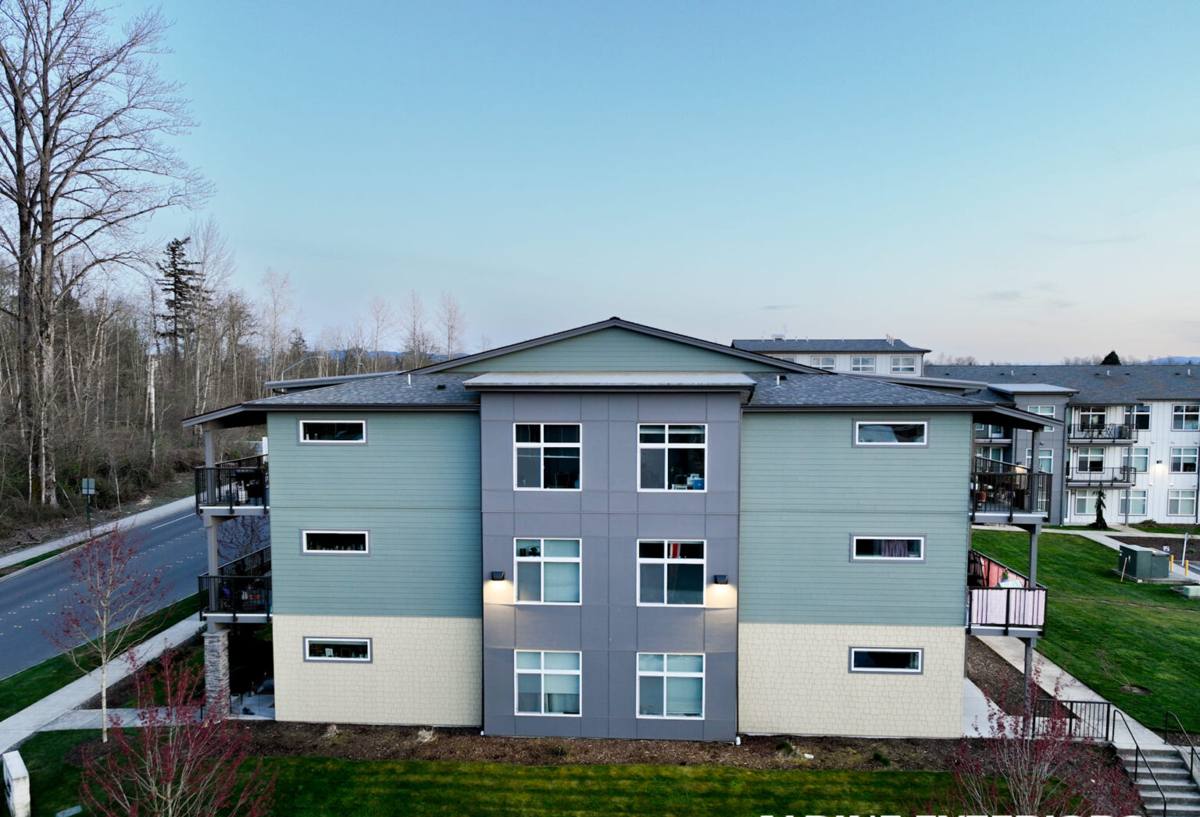
Where Allura and James Hardie Actually Differ
Both are fiber cement. Both are non-combustible, both resist rot and pests, and both hold paint or factory finish far longer than wood siding. The differences that matter show up in manufacturing consistency, finish system, and how forgiving each product is of real-world installation conditions — which in Lynden means crews working around rain delays more often than not.
| Factor | James Hardie | Allura |
|---|---|---|
| Factory finish | ColorPlus baked-on finish, engineered for UV and moisture cycling | Primed for field paint on most lines; factory-finished options are more limited |
| Climate engineering | HZ5 product line specifically formulated for Pacific Northwest wet-freeze cycling | General-purpose formulation, not regionally differentiated |
| Manufacturing footprint | Large, long-established U.S. plant network with tight batch consistency | Smaller footprint; batch-to-batch consistency has been less predictable in our experience |
| Warranty | 30-year non-prorated limited warranty, transferable to one subsequent owner | Warranty terms exist but are less commonly backed by the kind of installer-network accountability Hardie built |
| Availability of matching trim/accessories | Full matched trim, soffit, and fascia system | Narrower accessory lineup, more mixing-and-matching with other brands |
The Factory Finish Question
This is the single biggest practical difference for a homeowner. James Hardie's ColorPlus technology bakes color onto the board at the factory, under controlled heat and multiple coats, before it ever gets near a job site. That finish is engineered to resist fading and to shed moisture at the surface rather than absorb it at the edges.
Allura's mainstream lines are typically shipped primed, meaning the actual finish coat gets applied in the field — by us, by another contractor, or by a painting crew after the fact. Field-applied paint is only as good as the weather window it goes on in and the skill of whoever's spraying it. In a place like Lynden, where you can lose a week of siding weather to a stalled rain system in October, that's a real scheduling and quality risk, not a hypothetical one. A factory finish removes that variable entirely.
What Field-Applied Finish Means Long-Term
Primed siding that gets painted on site needs repainting on a normal paint cycle — typically 7-10 years depending on exposure — the same as wood siding would. A ColorPlus-finished board is warranted against fading and finish failure for 15 years, and most homeowners get well beyond that before they think about refinishing at all. Over a 20-year ownership window, that's the difference between one paint job and potentially two or three.
Moisture Behavior in a Salt Air, Driving Rain Climate
Lynden sits inland from Birch Bay and the Strait of Georgia, close enough that salt-laden air still reaches siding on exposed elevations, especially on the west and north sides of a house that catch the prevailing weather. Combine that with driving rain off the foothills and a moss season that runs from fall through spring, and you've got a climate that punishes any siding product with weak edges, inconsistent density, or a finish that lets moisture in at the cut lines.
Fiber cement in general handles moisture better than wood or engineered wood siding — that's true of both Hardie and Allura. Where we've seen the real gap is at the cut edges and fastener points. Hardie's HZ5 formulation and factory-sealed edges are built specifically for this wet-freeze Pacific Northwest cycle. Allura doesn't offer that regional variant; it's the same board whether it's going on a house in Lynden or a house in Arizona. Fiber cement that isn't climate-matched can still perform fine for years, but it leans harder on perfect installation and consistent field-applied sealing to make up the difference — and "perfect" is a lot to ask of every cut, every joint, every fastener over the life of a 2,000-square-foot house.
Installation Sensitivity — Why the Installer Matters as Much as the Board
Any fiber cement product, Allura included, can fail early if it's installed wrong: unsealed cut edges, fasteners driven too tight or too loose, missing rain screen gap, wrong caulk at the joints. That's true of Hardie too. The difference isn't that one board is installer-proof and the other isn't — it's that Hardie has spent 20-plus years building an installer training and certification network (Hardie ZoneSM, Elite Preferred Contractor programs) specifically to reduce that risk, and its own field documentation is deep and specific to Pacific Northwest conditions.
Allura doesn't have the same scale of installer support infrastructure in this region. That doesn't mean it can't be installed correctly — it means there's less institutional backup if something goes wrong, and fewer contractors locally who've built up the specific muscle memory for it the way most have for Hardie.
Warranty Structure — What "Transferable" Actually Means
Every fiber cement manufacturer offers some kind of warranty. The details are what matter. James Hardie's warranty on its siding is non-prorated for the full term and transfers once to a subsequent homeowner, which matters directly to resale value — a buyer's inspector or agent recognizes the Hardie name and warranty structure immediately. Allura's warranty coverage exists but is less standardized across its product lines, and the resale-recognition factor is smaller simply because fewer local buyers and agents know the brand the way they know Hardie.
We won't put a product on someone's house that we can't stand behind ourselves with confidence about how the manufacturer will respond if a claim ever comes up 12 years down the road. That's a practical business decision as much as a technical one.
Cost Considerations
Allura is typically priced somewhat below James Hardie at the material level, which is the main reason it shows up in bids around Whatcom County. But material cost is only part of the real cost of ownership.
| Cost factor | James Hardie | Allura |
|---|---|---|
| Material cost | Higher upfront | Lower upfront, often 10-20% less |
| Finish/repaint cycle | Factory finish lasts 15+ years | Field-applied finish may need repainting in 7-10 years |
| Warranty-backed longevity | 30-year non-prorated, transferable | Coverage varies by line and region |
| Resale recognition | Widely recognized by buyers/agents/inspectors | Less brand recognition locally |
Run the numbers over a 20-year hold and the gap narrows or disappears, especially once you factor in a repaint cycle Hardie's ColorPlus finish avoids.
Why We Standardized on James Hardie Instead
We made a deliberate choice years ago to install one fiber cement system — James Hardie — rather than quoting whatever brand is cheapest on a given week. That means:
- Every crew member is trained on the same fastening, flashing, and joint details, on every job, with no guesswork switching between brands
- We can speak specifically to how the HZ5 line performs in this climate, because it's engineered for it
- The ColorPlus factory finish removes field-paint timing and quality risk from the schedule
- The warranty is one we understand fully and can walk a homeowner through in plain terms, including what voids it
- Resale value benefits from a brand buyers and inspectors already recognize
That's not us saying Allura is a scam or that homes sided with it are doomed. It's us saying that after weighing finish system, climate engineering, installer support, and warranty structure, Hardie is the product we're comfortable standing behind on every house we touch in Lynden.
What to Ask Before You Choose a Fiber Cement Product
- Is the siding factory-finished or will it need field paint after installation?
- Does the manufacturer offer a product line engineered specifically for Pacific Northwest wet-freeze conditions?
- Is the warranty non-prorated, and does it transfer to a future homeowner?
- How many houses has this specific crew installed with this specific brand?
- What's the manufacturer's track record for honoring claims in this region?
- Does the accessory system (trim, soffit, fascia) fully match, or will pieces be sourced from a different brand?
If you're weighing siding options for a home in Lynden or anywhere else in Whatcom County, we're happy to walk through what we'd actually install and why, with no pressure either way. Reach out for a free estimate and we'll give you a straight answer.