 Lynden Exterior
 Exterior Work Built for Laurel's Climate
Laurel sits in that stretch of Whatcom County where the weather never really commits to one thing. You get long stretches of driving rain off the Pacific, salt-tinged air working its way inland, and a moss season that seems to start earlier every year and end later. None of that is exotic — it's just the reality of building and maintaining a home out here. But it does mean exteriors in this area take a different kind of beating than a house sitting somewhere dry and inland, and they need to be built and maintained with that in mind.
We're Lynden Exterior Contractor, and we work siding, roofing, windows, and decks for homes throughout Lynden and the surrounding Whatcom County communities, including Laurel. This page is about what we actually see on homes out here, how our services address it, and why having a crew that knows this specific stretch of ground matters more than people expect.
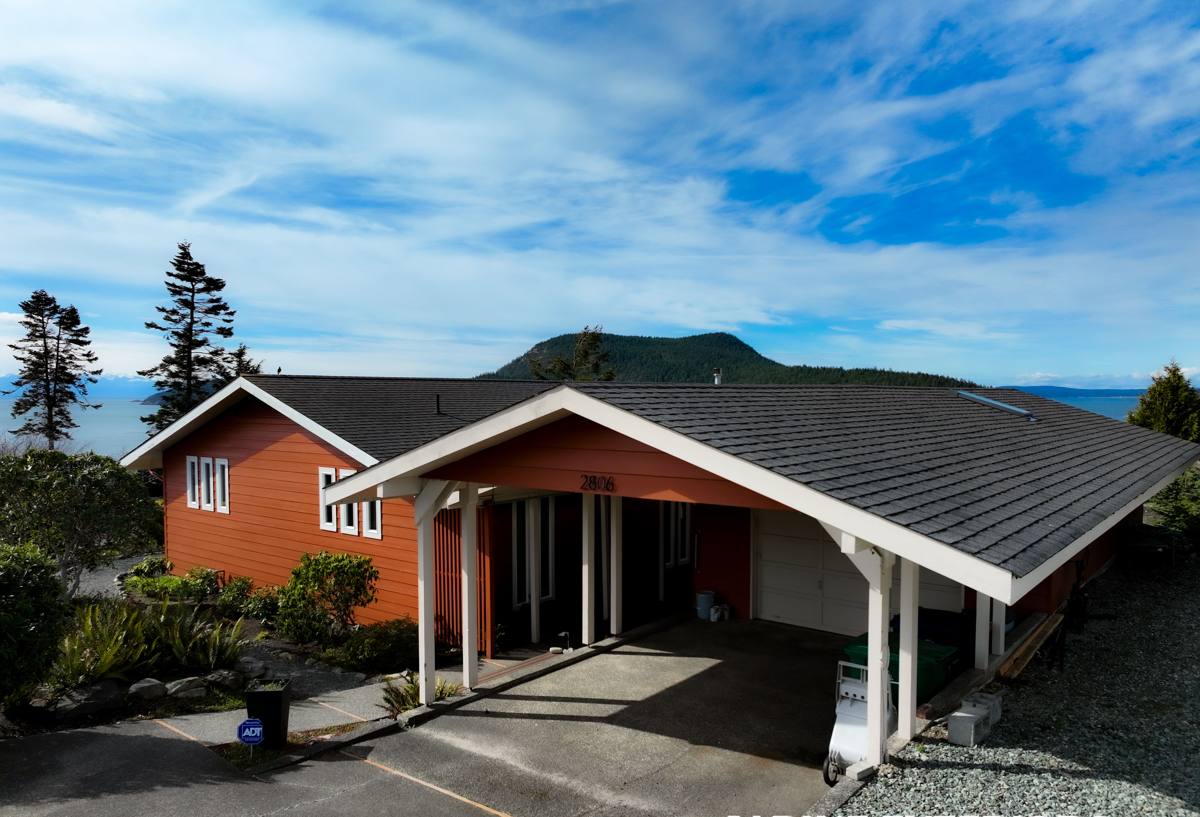
What Laurel Homes Actually Face
Moisture That Doesn't Let Up
Western Washington rain isn't usually violent — it's persistent. Homes in and around Laurel deal with long wet seasons where siding, trim, and roofing stay damp for days at a stretch. That kind of sustained moisture exposure is a different problem than an occasional downpour. It finds every gap in caulking, every spot where flashing was cut short, every seam that wasn't lapped correctly. Over years, chronic dampness is what turns a small installation shortcut into a rot problem behind the wall.
Salt Air, Even Inland
Laurel isn't beachfront, but this part of Whatcom County still gets salt-laden air moving in off the Strait and Bellingham Bay, especially with the prevailing weather patterns. Salt air accelerates corrosion on fasteners, flashing, and any exposed metal components, and it can be tougher on certain finishes and coatings than people assume for a location that isn't technically coastal.
Moss, Algae, and Shade
Between the tree cover common in this area and the extended damp season, moss and algae growth on roofs and north-facing siding is close to a given if it isn't managed. Moss holds moisture against roofing material and siding surfaces, and it's more than cosmetic — sustained growth shortens the service life of whatever it's sitting on.
Temperature Swings and Material Movement
Whatcom County doesn't get extreme heat, but the shift between damp winters and warm, dry summer stretches still puts cyclical stress on exterior materials. Products that expand, contract, or absorb moisture unevenly show it over time — cracking, warping, or finish failure at the seams.
Siding: Why We Standardized on One Product
We install James Hardie fiber cement siding exclusively. That's a deliberate decision, not a default. We used to install a broader range of products, and we've seen firsthand how vinyl, engineered wood, and lower-grade fiber cement perform in this specific climate over 10, 15, 20 years — not in a lab, on actual homes in actual Whatcom County weather.
Fiber cement is inherently non-combustible and dimensionally stable in a way that matters directly for the moisture and temperature cycling described above. James Hardie's ColorPlus factory-applied finish is baked on under controlled conditions, which gives it more consistent adhesion and UV resistance than a field-applied paint job — a real advantage in an area that sees a lot of gray, damp days where paint doesn't cure the way it would somewhere drier. Hardie also engineers regional HZ5 product lines specifically for climates like the Pacific Northwest, which is a level of climate-specific engineering most competing products don't offer.
We don't install LP SmartSide, vinyl, Cemplank, Allura, primed spruce, or cedar. Each of those has legitimate uses and each has genuine strengths — this isn't about calling any of them bad products. It's about the trade-offs we're no longer willing to build around: moisture sensitivity at cut edges and seams, maintenance burden (repainting, staining, sealing on a recurring cycle), warranty structures that don't hold up as well over decades, or performance that depends heavily on installer precision in ways we've seen go wrong. For a Laurel home dealing with sustained damp and salt air, we think Hardie gives homeowners the best balance of upfront cost, appearance, and long-term performance without an ongoing maintenance treadmill.
Roofing in a Moss-Prone, Wet Climate
Roofing decisions out here should start with drainage and ventilation, not just shingle brand. A roof that sheds water efficiently and has proper attic ventilation will resist moss colonization and ice-dam-adjacent moisture problems far better than one that's just had a good product installed poorly. We look at valley flashing, underlayment quality, ventilation balance, and edge details as much as the roofing material itself, because in this climate those details are what actually determine how long a roof lasts.
Moss management is part of an honest roofing conversation here too — homeowners in tree-covered lots should expect to budget for periodic cleaning or treatment regardless of what roofing product is installed, since shade and moisture are the real drivers of growth, not just the shingle itself.
Windows: Sealing Out the Damp
Window performance in this climate is as much about the installation as the unit itself. A quality window installed with poor flashing and air-sealing will still leak, fog, or let moisture into the wall cavity around it. We pay close attention to flashing sequencing and integration with the siding system, since that's usually where window-related moisture problems actually originate — not in the glass or frame, but in the transition details around them.
For homes in Laurel, we typically talk with owners about a few practical factors:
- Condensation resistance for homes with cooler interior surfaces during long damp stretches
- Proper flashing integration with fiber cement siding to prevent water intrusion at the frame
- Frame material performance under repeated wet/dry cycling
- Sealing details around trim that hold up to sustained rain exposure, not just occasional storms
Decks: Built to Survive Wet Seasons
Decks take some of the hardest weather exposure on a property because they're horizontal — water sits on them instead of running off like it does on a wall or roof. In a climate with a long wet season, drainage, ledger flashing, and material choice on a deck all matter more than they would somewhere drier. Poor ledger flashing at the house connection is one of the most common sources of hidden rot we find on older decks in this region, and it's almost always invisible until the deck is opened up.
We build and repair decks with an eye on long-term moisture management — proper flashing at the house, adequate drainage and airflow underneath, and materials suited to standing up to repeated wet cycles rather than just looking good on install day.
Cost Factors to Understand Before You Start
| Factor | Why It Matters in This Climate |
|---|---|
| Flashing and moisture detailing | Correct detailing at every seam and penetration is what prevents rot in a wet, prolonged rain climate — cutting this corner costs far more later |
| Material grade | Climate-engineered products (like Hardie's HZ5 line) are built for regional moisture and temperature cycling, not generic conditions |
| Ventilation | Poor attic or wall-cavity ventilation traps moisture and accelerates moss growth and material degradation |
| Installer experience locally | Crews unfamiliar with this specific climate often under-detail moisture protection because they're used to drier regions |
| Maintenance schedule | Some materials need recurring painting, staining, or sealing; factoring that into total cost of ownership changes the math |
Why a Local Crew Matters
Anyone can install siding, roofing, windows, or decking to a generic national standard. What's harder to fake is knowing how a house in Laurel actually weathers over a decade — where moss tends to build first, which elevations take the worst of the wind-driven rain, how salt air affects fasteners over time, and which installation shortcuts turn into callbacks after a few wet winters. We build every project with that local knowledge baked in, not as an afterthought.
Being a Lynden-based crew also means we're not driving in from out of the area for warranty calls or follow-up work. If something needs a look after the fact, we're close by.
A Simple Pre-Project Checklist for Laurel Homeowners
- Ask what moisture and flashing detailing is included, not just the visible material
- Confirm ventilation is being addressed on any roofing project, not just shingle replacement
- Ask directly why a contractor recommends one siding product over another, and what the trade-offs are
- Get the manufacturer's warranty terms in writing, not just a verbal summary
- Ask about deck ledger flashing specifically if you're building or replacing a deck attached to the house
- Get a clear sense of ongoing maintenance requirements before you commit to a material
Let's Take a Look at Your Home
If you're in Laurel and dealing with aging siding, a roof that's showing its age, drafty windows, or a deck that needs attention, we're happy to come take a look and talk through what actually makes sense for your home and budget. There's no pressure and no obligation — just a straight assessment from a crew that knows this climate. Use the form below to request a free estimate.