 Lynden Exterior
 Windows Built for Custer's Coastal Edge
Custer sits close enough to the water that salt air is part of daily life, not an occasional nuisance. Between Drayton Harbor, Birch Bay, and the open exposure this part of Whatcom County gets off the Strait, homes here take a different kind of weathering than houses further inland around Lynden proper. Window frames, seals, and hardware all age faster when they're breathing salt-laced air and getting hit with sideways rain several months of the year. If you've noticed hardware corroding early, seals failing sooner than they should, or a persistent film of moss and grime building up on north-facing sashes, that's not bad luck — that's just what this microclimate does to windows that weren't specified or installed with it in mind.
We work Custer regularly, alongside our jobs in Lynden, Ferndale, and the rest of Whatcom County, so we're not guessing at what holds up out here. This page covers what actually matters for a Custom Windows job in this specific area: what the climate demands, what a correct installation looks like, and what our process involves from first look to final walkthrough.
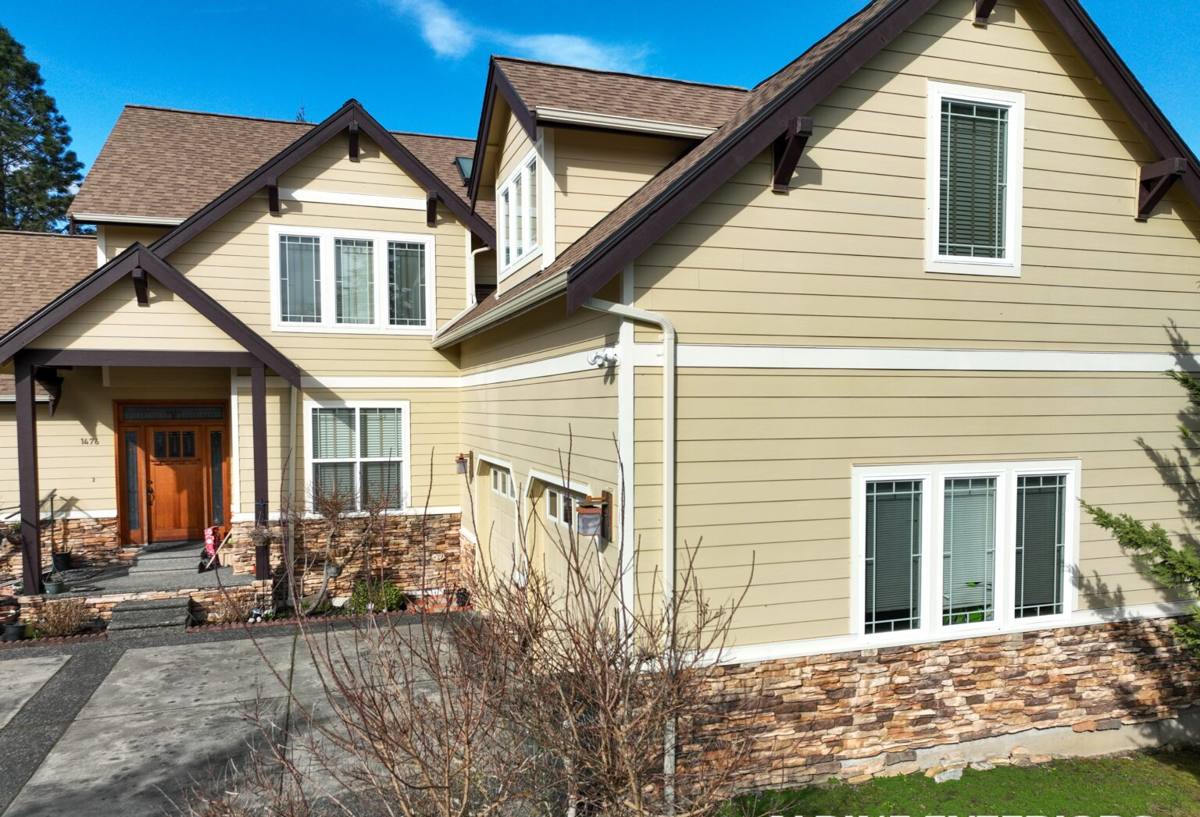
What the Custer Climate Actually Does to Windows
Salt Air and Corrosion
Airborne salt accelerates corrosion on any exposed metal — hinges, cranks, balance systems, and cheaper cladding finishes all show it first. Vinyl and fiberglass frames don't corrode the way metal does, but the hardware inside them still can if it's not rated for coastal exposure. This is one of the most overlooked details in window shopping: two windows can look identical in a showroom and perform very differently five years into salt exposure, purely based on what's inside the frame.
Driving Rain and Wind-Driven Moisture
Custer gets weather off open water, which means rain doesn't just fall straight down — it gets pushed sideways into wall assemblies and window openings. A window that's watertight in a calm rainstorm can still leak under wind-driven rain if the flashing and sealant details around it weren't done correctly. This is almost always an installation issue, not a product issue. We've seen good windows fail because of poor flashing, and mediocre windows outperform expectations because the install was done right.
Moss and Prolonged Dampness
Whatcom County's long wet season means anything shaded or north-facing stays damp for extended stretches. Moss and algae take hold on sills, trim, and even glass in low-light areas. Beyond the cosmetic issue, prolonged dampness against wood trim or poorly sealed frame edges is where rot starts. Window selection and detailing around moisture drainage matters more here than it does in drier parts of the state.
What a Correct Window Job Looks Like Out Here
A window replacement in Custer needs to account for three things simultaneously: material durability against salt, a watertight installation against driving rain, and drainage details that keep moss and standing moisture from becoming a rot problem. That's a different priority list than you'd get from a generic install in a drier, more sheltered part of the state.
- Frame material rated for coastal or high-moisture exposure, with hardware components that resist corrosion rather than just looking finished on day one
- Proper flashing integration with the existing wall assembly — not just caulk around the perimeter
- Sill pan flashing to direct any intruding water back out, rather than letting it pool at the base of the frame
- Sealant products rated for UV and moisture exposure, applied at the correct joints, not as a catch-all fix for gaps
- Weep holes and drainage paths kept clear so moisture doesn't sit against the frame or sill
- Correct shimming and squaring so the sash operates smoothly and seals evenly for the life of the window
Skip any one of these and you end up with a window that looks fine at handoff but underperforms within a few wet seasons — sticking sashes, fogged glass from failed seals, soft trim, or a slow leak that doesn't show up until there's already damage behind the wall.
Frame Material: What Holds Up Near the Water
| Material | Salt Air Behavior | Maintenance | Best Fit for Custer |
|---|---|---|---|
| Vinyl | Does not corrode; UV-stable formulations resist fading | Low — occasional cleaning | Strong all-around choice for coastal exposure and budget |
| Fiberglass | Excellent resistance to salt and moisture; very stable | Low | Best long-term durability, higher upfront cost |
| Wood | Vulnerable to moisture and rot without diligent upkeep | High — repainting, sealing | Only where owner commits to regular maintenance |
| Wood-clad | Exterior protected, but cladding seams can trap moisture if not detailed well | Moderate | Workable if installed with careful attention to seams |
| Aluminum | Prone to corrosion and pitting in salt air unless marine-grade | Moderate to high | Not our first recommendation for this location |
We don't push one brand or material on every job — the right call depends on the home's exposure, budget, and how much upkeep the owner actually wants to do. What we won't do is install a product where the finish or hardware isn't suited to this air, just because it's cheaper upfront. That trade-off tends to cost more in the long run through early hardware failure or seal degradation, and we'd rather have that conversation honestly at the estimate than after a callback.
Glass and Seal Performance
Double-pane, gas-filled glass units are standard for this climate — they cut down on condensation and help with the temperature swings between damp mornings and warmer afternoons. What matters more than the marketing spec sheet is the seal itself: a failed edge seal shows up as fogging or moisture trapped between panes, and it's almost always a sign the unit was compromised during manufacturing or installation, not a design flaw. We check seal quality and manufacturer warranty terms on every product we install so you know what's actually covered if that happens years down the road.
Low-E coatings help with heat retention during colder months and reduce UV fading on interior floors and furniture — a reasonable upgrade for west and south-facing windows that get more direct sun exposure even on a mostly overcast Whatcom County calendar.
Our Process for a Custer Window Job
1. On-Site Assessment
We look at existing frame condition, evidence of past water intrusion, wall assembly type, and sun/wind exposure for each opening. Not every window on a house faces the same conditions — a window on the water-facing side often needs different detailing than one tucked on a sheltered wall.
2. Straight Talk on Options
We walk through material and glass options with actual trade-offs, not upsell pressure. If a lower-cost option is genuinely fine for a sheltered opening, we'll say so.
3. Correct Installation
Flashing, sill pans, drainage, and sealant work happen to spec on every opening — this is where most long-term problems get prevented or created, and it's the part of the job that matters most in this climate.
4. Final Walkthrough
We check operation, seals, and exterior finish work with you before calling the job done, and go over any maintenance basics specific to your home's exposure.
Maintenance That Actually Extends Window Life Here
- Rinse salt residue off exterior frames and glass periodically, especially on wind-exposed sides of the house
- Keep weep holes and drainage tracks clear of debris, moss, and dirt buildup
- Lubricate hardware (cranks, hinges, locks) on an annual basis to fight corrosion before it starts
- Inspect exterior caulking and sealant yearly for cracking or separation, particularly after a hard winter
- Address any soft trim or discoloration around a window promptly rather than waiting — it's cheaper to catch early
Why a Local Crew Matters for This Job
Window installation isn't a one-size-fits-all trade. A crew that mostly works drier, more sheltered inland areas may not default to the flashing and drainage detailing that a Custer home actually needs, simply because they haven't had to build those habits into every job. We've done this work throughout Lynden and the surrounding Whatcom County communities long enough to know which details aren't optional out here — sill pan flashing, proper weep paths, corrosion-resistant hardware — and we build every install around them as standard practice, not an upcharge.
We're also around after the job is done. If a question comes up about maintenance, a warranty claim, or how a window is handling its first wet season, you're calling a crew that's still local and still working in the same area, not chasing down a company that only shows up for the sale.
Get a Straight Estimate
If you're dealing with drafty, corroded, or foggy windows in Custer, or you're planning ahead of the next wet season, we're happy to take a look and walk you through honest options for your home. Reach out for a free, no-pressure estimate using the form below.