 Lynden Exterior
 Siding Replacement in Everson
Everson sits close enough to Lynden that the two communities share almost everything that matters for exterior work: the same river-valley humidity, the same winter storm track off the Strait of Georgia, and the same long stretch of gray months when siding rarely gets a chance to fully dry out. If you own a home in or around Everson and you're starting to see siding problems, the fixes that work in a drier climate often don't hold up here. This page covers what Everson homes actually need from a siding replacement, what a correct job looks like, and how we handle the work.
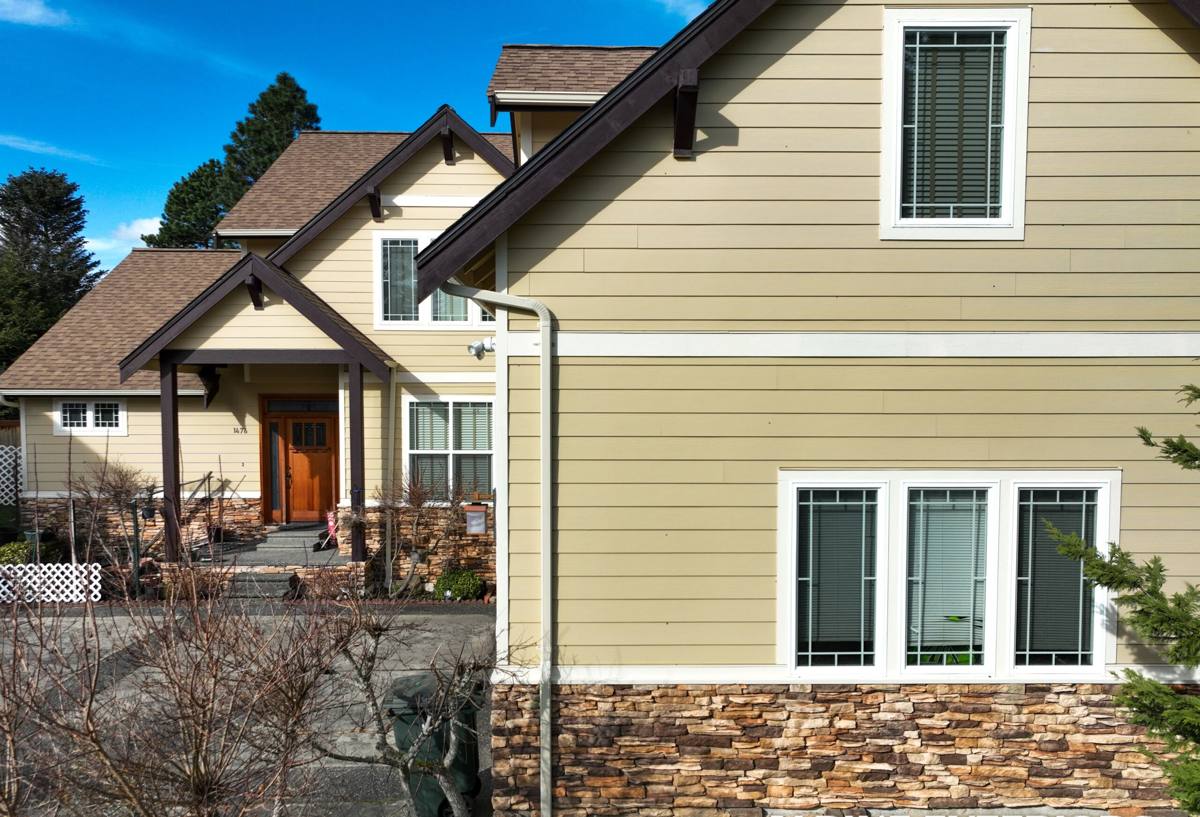
What Whatcom County's Climate Does to Siding
Whatcom County homes deal with a specific combination of stresses that doesn't let up for long. Marine-influenced air moving inland off the Sound carries a faint but persistent load of salt and moisture, which accelerates corrosion on fasteners, flashing, and any metal trim that isn't properly rated or protected. Layer on top of that the driving, sideways rain that comes with our winter storms — rain that hits siding at an angle instead of falling straight down — and any gap, seam, or failed caulk joint becomes a water entry point instead of a minor cosmetic flaw.
Then there's moss. The combination of shade, moisture, and mild temperatures gives moss and algae a long growing season on north-facing walls and anywhere siding stays damp for days at a time. Moss holds water against the surface long after a storm passes, which is exactly the kind of sustained dampness that rots wood-based siding and delaminates poorly bonded products.
Why This Matters for a Replacement Decision
None of this means Everson homes need something exotic. It means the replacement has to be planned around moisture management first, appearance second — because a siding job that looks right on installation day but traps water behind it will show problems within a few winters, not a few decades.
Signs Your Everson Home Needs Siding Replacement
Some of these show up gradually enough that homeowners assume they're normal wear. In this climate, most of them mean water is already getting past the surface.
- Soft or spongy spots when you press on the siding, especially near the bottom courses and around windows
- Visible warping, buckling, or boards that no longer sit flat against the wall
- Persistent moss or dark staining that comes back within weeks of cleaning
- Paint that's peeling, bubbling, or needing repainting far more often than it used to
- Cracked or crumbling caulk at seams, corners, and trim joints
- A musty smell near exterior walls or unexplained interior wall staining
- Siding that's more than 20-25 years old, particularly if it's a wood-based or older composite product
One or two of these on their own might mean a repair. Several at once, especially combined with age, usually means the underlying material has reached the end of what it can handle.
What a Correct Siding Replacement Actually Involves
Siding replacement is often sold as a cosmetic upgrade. In a climate like ours, the visible siding is the last layer of a system, and the parts you can't see after the job is done are the parts that determine whether it lasts.
Tear-Off and Inspection
Old siding comes off entirely so the sheathing underneath can be checked. Any rot, soft sheathing, or hidden moisture damage gets addressed before anything new goes up — covering damaged sheathing with new siding just hides a problem that keeps getting worse.
Water-Resistive Barrier and Flashing
A properly lapped weather-resistive barrier goes over the sheathing, with flashing integrated at every window, door, and horizontal trim transition so water is directed out and down rather than behind the wall assembly. Given how much driving rain this area sees, flashing details are not optional extras — they're the difference between siding that sheds water and siding that collects it.
Rainscreen Gap
Where conditions call for it, a small ventilated gap between the water-resistive barrier and the siding lets any moisture that does get past the surface dry out instead of sitting against the wall. This is especially valuable on shaded, north-facing walls where moss and prolonged dampness are worst.
Fastening and Fitting
Siding installed too tight, nailed incorrectly, or fitted without the manufacturer's specified gaps will fail early regardless of the product's quality. Correct fastener spacing, type, and depth matter as much as the material itself.
Why We Install Only James Hardie Fiber Cement
We don't install vinyl, LP SmartSide, Cemplank, Allura, primed spruce, or cedar. That's a deliberate standard, not a sales pitch, and it's worth explaining honestly rather than just asserting.
Wood-based and engineered wood sidings can perform reasonably well in drier regions, but they depend on paint film and edge sealing staying intact to keep moisture out — and in a climate with this much sustained dampness and moss growth, that maintenance burden is relentless. Vinyl sheds water well enough on a flat wall but can warp or become brittle with temperature swings, and its seams and J-channels give moss and grime plenty of places to collect. Other fiber cement brands exist, but we've standardized on one manufacturer so our crews install one system to one spec, every time, rather than switching techniques and fastener requirements between jobs.
James Hardie fiber cement is non-combustible, doesn't support rot or insect damage, and holds its factory-applied ColorPlus finish far longer than field-applied paint on wood or engineered wood products. Hardie's HZ5 product line is engineered specifically for climates with harsh freeze-thaw cycles and heavy moisture exposure — which describes Whatcom County's winters well. The combination of the material itself and a strong transferable warranty is why we put it on homes instead of the alternatives.
Comparing Siding Options for Everson's Climate
| Factor | James Hardie Fiber Cement | Wood / Engineered Wood | Vinyl |
|---|---|---|---|
| Moisture resistance | Engineered for wet climates (HZ5 line); does not rot | Depends on intact paint/sealant; vulnerable once compromised | Sheds surface water; seams can trap moisture |
| Moss and algae resistance | Factory finish resists staining longer between cleanings | Porous surface holds moisture, feeds moss growth | Smooth surface, but seams and channels collect debris |
| Maintenance | Occasional washing; no repainting cycle needed | Regular repainting and caulk maintenance required | Low maintenance but can crack or fade over time |
| Fire performance | Non-combustible | Combustible | Can warp or melt under heat exposure |
| Finish longevity | ColorPlus factory finish, long-term color retention | Field-applied paint fades and peels sooner | Color is through-body but can chalk and fade |
Our Process for an Everson Siding Replacement
- On-site inspection: We walk the exterior, check for soft spots and moisture damage, and identify which walls are taking the worst weather exposure.
- Honest scope and estimate: You get a clear picture of what's needed, including any sheathing repair, before work starts — not a surprise change order mid-project.
- Tear-off and sheathing repair: Old siding comes off, damaged sheathing gets replaced, and the wall is ready for a clean install.
- Water-resistive barrier, flashing, and gap detailing: Installed to manage this region's driving rain and moss-prone conditions, not just to code minimums.
- Hardie installation: Fitted and fastened to manufacturer spec, including trim, corners, and transitions.
- Final walkthrough: We review the finished work with you before calling the job done.
What Drives the Cost of a Siding Replacement
| Cost Factor | Why It Matters |
|---|---|
| Home size and wall complexity | More corners, gables, and dormers mean more cutting, flashing, and labor time |
| Sheathing condition | Rot discovered during tear-off adds repair work, but skipping it guarantees future failure |
| Siding profile chosen | Lap width, shingle-style panels, and trim details each carry different material and labor costs |
| Trim and accessory work | Window and door trim, fascia, and corner boards add scope beyond the flat wall area |
| Access and site conditions | Tight lots, landscaping, or multi-story walls can affect equipment needs and labor time |
We won't quote a number without seeing the home, but these are the variables that actually move a bid up or down — worth asking about directly when you're comparing estimates.
Why It Matters to Hire a Crew That Already Works in This Area
A crew that regularly works Lynden and Everson properties already understands how this stretch of Whatcom County behaves through a full year: which wall orientations take the worst driving rain, where moss tends to establish first, and how much margin to build into flashing and drainage details for the winters here. That's different from general contracting experience picked up somewhere with a drier or more moderate climate. When you're vetting a contractor for this kind of work, it's fair to ask directly how much of their current siding work is local, and how they handle moisture management specifically — not just what siding brand they carry.
Get a Free, No-Pressure Estimate
If your Everson home is showing any of the signs above, or you just want a straight answer on whether repair or full replacement makes more sense, we're happy to take a look. Use the form below to request a free estimate — no pressure, no obligation.