 Lynden Exterior
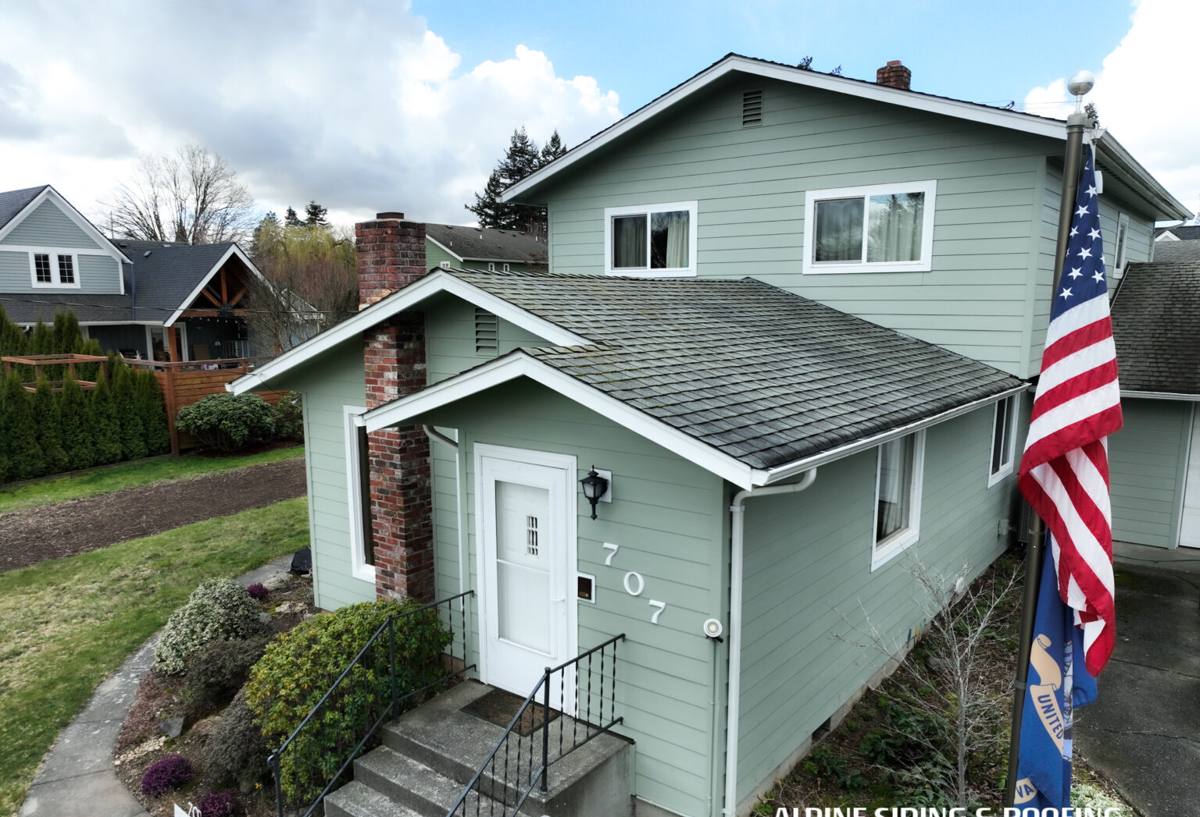
 Roofing a Home in Kendall
Kendall sits up against the foothills northeast of Lynden, where the tree canopy is heavier and the ground stays damp longer into the season than it does out on the flatter farmland closer to town. That combination of shade, moisture, and slower drying time is exactly what shortens the life of a roof. Whatcom County as a whole deals with driving rain off the marine weather systems that move through the region, and homes tucked under fir and cedar cover in Kendall get an extra layer of the same problem: less sun exposure to dry the roof deck out between storms, and more organic debris landing on the surface where moss and moisture can take hold.
A new roof installation here isn't just about swapping old material for new. It's about building a roof system that's set up to handle shade, moss, and sustained wet weather from day one — not just look good the week it goes on.
Why Kendall's Setting Wears Roofs Down Faster
Shade and Slow Drying
A roof that dries out within a few hours of a rain event sheds moss and algae naturally. A roof that stays damp for a day or more because it's shaded most of the afternoon gives moss spores time to root in the granule surface of the shingle. Over a few seasons, that moss holds water against the roof deck, which is where real damage — rot, soft sheathing, and eventually leaks — starts.
Needle and Leaf Debris
Homes near tree lines collect needles and leaf litter in valleys, behind chimneys, and along lower roof edges. That debris breaks down organic matter and holds moisture right where water is already trying to drain. Left alone, it accelerates both moss growth and granule loss.
Extended Wet Season
Whatcom County's rain doesn't come in short bursts and clear out. It settles in for stretches, and the driving rain that moves through on windier days can push water sideways under poorly lapped flashing or worn-out underlayment. A roof built for a drier climate, or installed without attention to flashing details, tends to show leaks first at valleys, chimneys, and skylights — the exact spots where water is forced to change direction.
Signs a Repair Won't Cut It Anymore
- Shingles are cupping, curling, or losing granules in patches, not just at one isolated spot
- Moss has come back within a year or two of being cleaned off
- You've had more than one or two leak repairs in the last few years
- The roof is original to the house and pushing 20+ years for asphalt composition, or older for wood shake
- Decking feels spongy or sags when walked on, or there's daylight visible from the attic
- Flashing around chimneys, vents, or skylights is rusted, lifted, or was never properly step-flashed
Any one of these on its own might still be a repair. Several together usually mean the roof system as a whole — deck, underlayment, and covering — is past the point where patching makes financial sense.
Material Options That Make Sense for This Setting
There's no single "best" roofing material for every home — it depends on the roof's pitch, how much shade it sits under, and what the homeowner wants long-term. For a shaded, moss-prone lot like a typical Kendall property, we weigh moisture resistance and algae resistance heavily.
| Material | Typical Lifespan | Moss/Algae Resistance | Notes for Kendall's Setting |
|---|---|---|---|
| Architectural asphalt shingle (algae-resistant) | 25-30 years | Good, with copper/zinc granule blends | Most common choice; the algae-resistant granule line matters more here than in open, sunny areas |
| Standard 3-tab asphalt shingle | 15-20 years | Lower | Budget option, but moss tends to establish faster without algae-resistant granules |
| Metal (standing seam or panel) | 40-50+ years | Very good — smooth surface sheds moisture fast | Higher upfront cost, but low maintenance under heavy tree cover |
| Cedar shake | 20-30 years with upkeep | Requires regular maintenance | Traditional look, but shaded, damp sites shorten its service life without diligent care |
We'll walk through these trade-offs honestly during your estimate — pitch, budget, and how much ongoing maintenance you want to take on all factor in.
What a Correct Installation Actually Includes
The shingle or panel on top is the part everyone sees, but it's the layers underneath that determine whether the roof holds up through a wet Whatcom County winter.
Deck Inspection and Repair
Every square foot of decking gets checked once the old roofing is off. Soft, delaminated, or water-stained plywood or planking gets replaced before anything new goes down — covering bad decking with new shingles just hides a problem that will resurface as a leak.
Ice and Water Shield at Vulnerable Points
Valleys, eaves, and areas around penetrations get a self-adhering waterproof membrane underneath the primary underlayment. This is the backup layer that keeps wind-driven rain from working its way under the shingles at the spots most likely to leak.
Synthetic Underlayment
Over the rest of the deck, a synthetic underlayment provides a second line of defense and holds up better to extended wet exposure during the install itself than older felt paper products.
Flashing Done Right
Step flashing at walls and chimneys, proper counter-flashing, and new flashing at every roof penetration — vents, skylights, plumbing stacks — rather than reusing old, bent, or rusted pieces. This is one of the most common places corners get cut on cheaper jobs, and it's one of the most common places leaks start.
Balanced Attic Ventilation
Intake at the eaves and exhaust at the ridge, sized correctly for the attic space. Good ventilation moves moist air out before it condenses on the underside of the deck, and it also keeps the roof surface temperature more even, which helps slow moss growth from the top side too.
Our Process for a Kendall Re-Roof
- On-site inspection and estimate. We walk the roof, check the attic if accessible, and note tree cover, drainage patterns, and any existing moss or leak history specific to your lot.
- Material selection. We go over the options above in plain terms and give you a straightforward, written estimate with no pressure to upgrade beyond what the home actually needs.
- Tear-off and deck inspection. Old roofing comes off, decking is inspected board by board, and any rot or soft spots are repaired or replaced.
- Underlayment and flashing installation. Ice and water shield at vulnerable points, synthetic underlayment across the field, and new flashing throughout.
- Roofing material installation. Installed to manufacturer spec, with nailing patterns and exposure set correctly for wind and rain exposure in this area.
- Ventilation check and adjustment. Intake and exhaust balanced for the attic volume.
- Cleanup and final walkthrough. Magnetic sweep for nails, debris hauled off, and a walkthrough so you know exactly what was done and what to watch for going forward.
Timeline and What Affects the Cost
Most single-family re-roofs in this area take one to three days depending on roof size, pitch, and how much deck repair is needed. Weather windows matter — we schedule around dry stretches when possible, since a roof deck exposed overnight is far less of a concern than one exposed through a multi-day storm.
| Factor | How It Affects the Job |
|---|---|
| Roof size and number of planes | More square footage and complexity (valleys, dormers) means more labor and material |
| Pitch | Steep roofs require more safety setup and take longer to work |
| Layers to remove | Tear-off of multiple existing layers adds labor and disposal cost |
| Deck condition | Rotted or soft decking sections add material and labor once uncovered |
| Material choice | Asphalt, metal, and cedar carry different material and labor costs |
| Access | Tree cover, steep driveways, or limited staging area can add setup time |
We give firm, itemized estimates before work starts — no surprise change orders unless something unexpected turns up once the old roof is off, and we'll always show you before proceeding.
Why Local Experience with Kendall Properties Matters
A crew that mostly works open, sunny rooftops in town will size ventilation and flashing the same way everywhere. A crew that regularly works shaded, tree-lined properties out toward the foothills knows to look harder at valley flashing, to talk through algae-resistant shingle options as a real consideration rather than an upsell, and to expect a different moss timeline than a roof out in the open. That familiarity with how homes in this specific setting actually perform over time — not just how they look on install day — is what separates a roof that holds up for its full warranty period from one that needs attention again in five years.
We also know the practical side of working in this area: narrower rural driveways, longer material staging, and scheduling around wetter stretches without letting a project drag on.
Ready for an Estimate?
If your roof is showing its age, holding onto moss no matter how often it's cleaned, or you've just had one leak repair too many, it's worth getting a straight answer on whether repair or replacement makes more sense. We offer free, no-pressure estimates for Kendall and the surrounding Lynden area — walk the roof with us, get an honest read on its condition, and get a clear written quote before you decide anything. Use the form below to get started.