 Lynden Exterior
 Maple Falls Weather and What It Does to Windows Over Time
Maple Falls sits in a part of Whatcom County that stays wet for a big chunk of the year. Tree cover keeps yards shaded and damp, driving rain off the foothills finds every gap in old trim and flashing, and a long moss season means anything that holds moisture — sills, tracks, corners — gets tested constantly. Add the marine air that moves through the valleys off the Sound, and you have a climate that is genuinely hard on windows, especially older single-pane or early-generation double-pane units that were never built with today's sealants or coatings.
None of this is dramatic on its own. It is slow. A window that seals poorly does not fail in a season — it fails over several winters, as moisture works into the frame, fogging shows up between panes, and heating bills creep upward without an obvious cause. By the time it is visibly bad, the wood or frame underneath has usually been absorbing water for a while. That is the pattern we see most often on Maple Falls homes: windows that look fine from the yard but are quietly costing money and inviting rot.
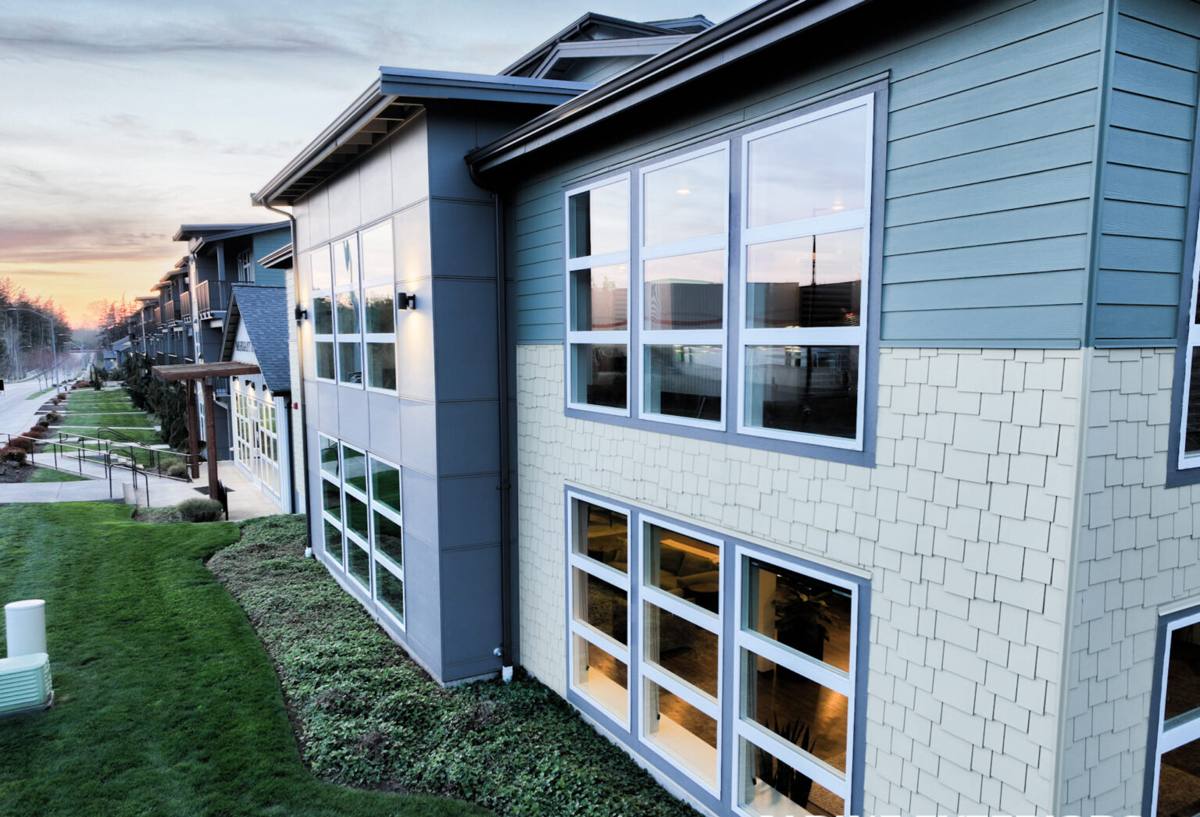
What "Energy-Efficient" Actually Means for This Climate
Energy-efficient windows get marketed with a lot of vague language. For a Whatcom County home, a few specific numbers and features matter more than the branding on the label.
U-Factor Over Marketing Terms
U-factor measures how well a window resists heat transfer — lower is better. In our climate, where you are heating far more months than cooling, U-factor is the single number worth paying attention to first. A window with a good U-factor and an unremarkable brand name will outperform a heavily marketed window with a mediocre one.
Low-E Coatings and Gas Fills
Low-emissivity (Low-E) coatings reflect heat back into the room in winter and keep excess solar heat out in summer. Combined with argon or krypton gas between panes, they cut down on the cold-glass feeling you get standing near an older window in January. This matters more here than in drier climates, because condensation on cold glass is also what feeds mold and mildew on sills during our wetter months.
Frame Material and Thermal Performance
The frame is half the window's thermal performance, not just the trim around the glass. Aluminum frames without a thermal break conduct cold straight through, which is part of why so many older aluminum-frame homes in this area feel drafty near the windows even when the glass itself is intact.
Signs Your Current Windows Are Working Against You
Homeowners often call us for a different reason — a drafty room, a high power bill — and find out the windows are the actual cause. A few signs are worth checking for before winter:
- Fog or haze between panes (a broken seal, meaning the insulating gas has escaped)
- Visible condensation on the inside of the glass during cold, wet weeks
- Moss, mildew, or dark staining building up on sills or in corners
- Cold air noticeably moving near a closed window on a windy day
- Windows that are hard to open, close, or latch — a sign the frame has shifted or swollen
- Paint or finish peeling on interior trim near the window, which often points to moisture getting in from outside
- A heating bill that climbs faster than usual without a clear reason
Choosing the Right Window Type for a Maple Falls Home
Frame material is the decision that affects long-term performance and maintenance the most in a wet, moss-prone climate. Here is how the common options compare for this area:
| Frame Material | Moisture Resistance | Maintenance | Typical Lifespan |
|---|---|---|---|
| Vinyl | Very good — won't rot, low water absorption | Low — occasional cleaning | 20–30+ years |
| Fiberglass | Excellent — dimensionally stable, resists swelling | Low | 30–40+ years |
| Wood (unclad) | Poor without diligent upkeep — vulnerable to rot and moss growth | High — regular painting/sealing | Varies widely with maintenance |
| Wood-clad (exterior aluminum or vinyl shell) | Good on the exterior face if flashed correctly | Moderate — interior wood still needs care | 20–30 years |
| Aluminum (non-thermally broken) | Handles rain fine, but conducts cold and condenses easily | Low | Long-lasting but poor thermal performance |
We do not push one material on every home. A shaded, moss-prone lot with heavy tree cover is a different situation than an open, sunnier one, and we will tell you honestly which option fits your specific house rather than defaulting to whatever is easiest to sell.
Why Installation Quality Matters as Much as the Window Itself
A high-performance window installed poorly will underperform a modest window installed correctly. This is the part of the job that is invisible once the trim goes back on, which is also why it is the part most often rushed by crews that do not work this climate regularly.
Flashing and Weather Barrier Detail
Driving rain does not fail a window by hitting the glass — it fails it by finding a gap at the rough opening. Correct flashing sequence (so water sheds down and out, never behind the housewrap) is what keeps that rain from ever reaching the framing. This detail is where we see the most corner-cutting from past installs when we're called out for a repair.
Sealant and Drainage Planning
Sealant is a backup, not the primary defense — it should never be the only thing standing between your framing and Whatcom County rain. We also plan for drainage at the sill, so any moisture that does get past the exterior has somewhere to go instead of sitting against wood and feeding the moss and mildew that this climate is so good at growing.
Our Process, Start to Finish
- On-site assessment — we look at your existing windows, framing condition, sun exposure, and any moisture or rot already present, not just measurements.
- Honest product recommendation — we walk through frame material, glass package, and U-factor options in plain terms, with real trade-offs, not a sales pitch.
- Precise measurement and ordering — window openings are rarely perfectly square on older homes, so we measure for the actual opening, not a catalog size.
- Careful removal — old units come out without unnecessary damage to surrounding siding or trim, and we check the opening for hidden rot before anything new goes in.
- Correct flashing and installation — proper flashing sequence, shimming, and fastening so the window performs the way it's rated to.
- Sealing and finish work — interior and exterior trim finished cleanly, with sealant used as a backup layer, not a substitute for good flashing.
- Walkthrough — we show you the finished work and how the new windows operate before we consider the job done.
What Affects the Cost of a Window Project
Every home is different, so we do not quote sight-unseen, but these are the main factors that move the price up or down:
| Factor | Why It Matters |
|---|---|
| Number and size of windows | More glass and larger openings mean more material and labor |
| Frame material chosen | Fiberglass and higher-end vinyl cost more upfront than basic vinyl |
| Glass package (Low-E, gas fill, pane count) | Better thermal performance adds cost but lowers long-term heating bills |
| Access and height | Second-story or hard-to-reach windows take more time and equipment |
| Condition of the existing opening | Hidden rot or damaged framing found during removal adds repair work |
| Trim and finish requirements | Matching existing exterior trim profiles takes more labor than standard trim |
Common Issues We Find from Prior Installations
When we're called to look at a window problem on an existing install, a few patterns show up repeatedly in this climate. Sealant applied as the only weather barrier, with no real flashing behind it, tends to fail once the sealant itself ages and cracks. Windows installed without attention to drainage at the sill let water pool instead of shed, which is exactly the standing moisture moss and mildew need to take hold. And frame materials chosen for upfront price alone, without factoring in how much shade and rain a specific lot gets, sometimes need replacing years sooner than they should. These are not manufacturer defects — they are installation and product-fit decisions, and they are avoidable with the right upfront planning.
Why a Crew That Already Works Maple Falls Matters
A contractor who works this specific area regularly already knows what a heavily shaded, moss-prone Whatcom County lot does to a window installation over time, without having to learn it on your house. That means fewer surprises during removal, flashing details that account for how hard the rain actually hits here, and product recommendations that reflect what genuinely holds up on homes like yours rather than a generic national playbook. It also means someone who understands the seasonal rhythm of this area — when it makes sense to schedule exterior work around the wettest stretches of the year, and when it doesn't.
If your windows are fogging, drafty, hard to operate, or just older than you'd like to think about, we're happy to take a look and give you a straight answer about what's going on and what your options are. Reach out for a free, no-pressure estimate using the form below — we'll assess your home's specific situation before recommending anything.