 Lynden Exterior
 Windows Take a Real Beating in Sumas
Homes in and around Sumas deal with a specific combination of weather that's harder on windows than most homeowners realize. Wind-driven rain works its way into gaps that would stay dry in a calmer climate. Salt-laden air off the Sound corrodes hardware and frame fasteners over time. And the long, damp moss season that Whatcom County is known for keeps humidity sitting against exterior surfaces for months at a stretch. None of this is dramatic on its own, but stacked year after year, it's exactly the kind of slow wear that turns a decent window into a drafty, foggy, hard-to-operate one well before its time.
Energy-efficient windows aren't just about a lower heating bill, although that matters. In this climate, they're also about keeping moisture out of your wall cavities, keeping frames from swelling or rotting, and keeping your home comfortable during the stretches of driving rain that roll through the valley. A window that's rated efficient but installed poorly will still fail here. A window that's installed correctly but not built for this climate will underperform. You need both pieces right.
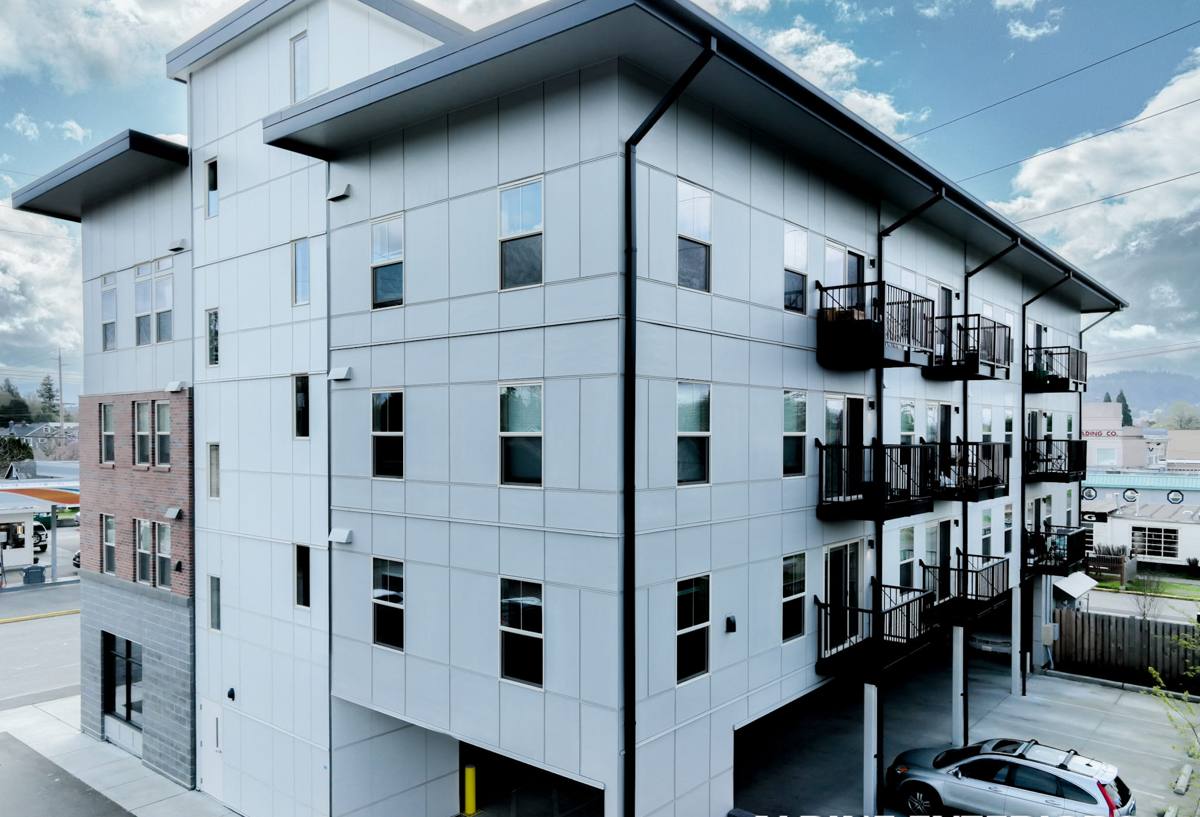
Signs Your Current Windows Are Working Against You
Before recommending replacement, we look for real evidence — not just an old window. Some of the most common signs we see on Sumas-area homes include:
- Visible condensation or fogging between the panes, which means the seal has failed and the insulating gas has escaped
- Cold drafts near the frame even when the window is fully latched
- Soft or discolored wood on the interior sill or exterior trim, often a sign moisture has been getting behind the frame
- Difficulty opening, closing, or locking — frames can swell and shift with repeated wet-dry cycles
- Visible moss or dark streaking building up on the exterior trim or sill faster than on the rest of the siding
- A noticeably colder room near the window in winter, or a room that overheats in summer sun
Any one of these can be a minor fix. Several of them together, especially on an older window, usually mean the unit has reached the end of its useful life and is costing you more in energy loss and hidden moisture damage than a replacement would.
What "Energy-Efficient" Actually Means for a Window
The term gets used loosely, so it's worth being specific. An energy-efficient window is doing three jobs at once: resisting heat transfer, blocking air infiltration, and managing the moisture that inevitably reaches it in a wet climate. That comes down to frame material, glass package, and installation quality — in that order of importance for a home like yours.
Frame Material
Frame material determines how the window handles repeated exposure to rain and humidity, which is the bigger long-term risk in this area compared to a dry climate.
| Frame Material | Moisture Resistance | Maintenance | General Notes |
|---|---|---|---|
| Vinyl | Very good — won't rot or corrode | Low — occasional cleaning | Most common choice for this climate; good value |
| Fiberglass | Excellent — dimensionally stable in wet/dry cycles | Low | Higher upfront cost, longer expected service life |
| Wood / Wood-Clad | Fair — needs an intact exterior cladding or finish | Higher — finish upkeep matters | Best suited to homes where interior wood trim matching is a priority |
| Aluminum | Poor thermal performance, prone to condensation | Low | We generally steer clients away from this for primary living spaces here — it conducts cold and tends to sweat in our humidity |
Glass Package
Double-pane, low-E, argon-filled glass is the practical baseline for Whatcom County homes. Triple-pane adds another layer of insulation and can be worth it for north-facing rooms, homes near busier roads, or owners who want the lowest possible energy use — but it's a real cost increase and a heavier window to install correctly, so we talk through whether it makes sense for your specific home rather than defaulting to it everywhere.
How We Approach Installation on Sumas Homes
The window itself only accounts for part of its performance. How it's set into the wall determines whether that performance holds up through years of driving rain. Our process is built around that reality.
Assessment First
We check the condition of the existing framing, sheathing, and any signs of prior water intrusion before we ever measure for a new unit. If there's hidden rot behind an old window — which we do find on occasion in older Whatcom County homes — that gets addressed before the new window goes in. Installing a new window over a compromised opening just hides the problem.
Moisture Barrier and Flashing
This is the step that separates a window that lasts from one that leaks in five years. Proper flashing, integrated with the house wrap in the correct shingled order, is what actually keeps driving rain from getting behind the window and into the wall. We treat this as a non-negotiable part of every installation, not an upsell.
Setting, Shimming, and Sealing
A window that isn't shimmed level and square will bind, leak air at the corners, and wear its hardware unevenly. We set each unit plumb and level, insulate the gap around the frame without overpacking it (which can bow the frame), and finish with weather-appropriate sealant on the exterior and a proper interior air seal.
Choosing the Right Window for Your Home
There's no single "best" window — the right choice depends on the home's orientation, your budget, and how long you plan to stay in the house. A few practical questions we walk through with homeowners:
- Which walls of the house get the most direct rain exposure, and do those windows need extra attention to flashing detail?
- Are you replacing one or two problem windows, or doing a full-house upgrade where matching frame color and style across the home matters?
- Is noise reduction a priority, which can push the decision toward a heavier glass package?
- Do you want easy-clean or tilt-in features for upper-story windows, which matters more here given how often exteriors need rinsing off pollen and moss spores?
- What's your realistic budget range, and would it make more sense to prioritize the most exposed windows first rather than doing all of them at once?
We'd rather walk through these questions honestly than push a package that doesn't fit your home or your budget.
Living With Efficient Windows Through Moss Season
Even a well-installed, high-quality window needs a small amount of homeowner upkeep in this climate. Keeping weep holes clear of debris, rinsing pollen and organic buildup off tracks and sills a couple of times a year, and checking that exterior caulking hasn't cracked after a hard winter all go a long way toward protecting your investment. None of this is heavy maintenance — it's the kind of thing that takes fifteen minutes twice a year — but skipping it is how moss and grime get a foothold on frame edges and trim, which shortens the life of even a good window.
Cost Factors Worth Understanding
Pricing varies by window size, frame material, glass package, and how many units you're doing at once. Rather than quote a number that won't reflect your actual home, here's what tends to move the price up or down:
| Factor | Effect on Cost |
|---|---|
| Frame material (vinyl vs. fiberglass vs. wood) | Largest single factor; fiberglass and wood-clad run higher than vinyl |
| Glass package (double vs. triple-pane) | Triple-pane adds meaningful cost per window |
| Number of windows done at once | Bundling multiple windows in one visit typically lowers cost per window |
| Extent of hidden damage found during removal | Rot or water damage repair is billed separately and can vary widely |
| Access and window size | Larger, harder-to-reach, or custom-shaped windows take more labor |
Broadly, homeowners in this area should expect a wide range depending on these factors — which is exactly why we recommend an in-person assessment rather than a phone estimate.
Why It Matters to Hire a Crew That Already Works This Area
Window installation looks similar everywhere on paper, but the details that actually protect a home — flashing sequence, sealant choice, how much clearance to leave at the sill — are the details that matter most in a climate with this much sustained wet weather. A crew that regularly works on homes in Sumas and around Lynden has already seen how local homes age, where water tends to find its way in on older construction, and what actually holds up through a full Whatcom County winter versus what looks fine on installation day and fails two years later. That familiarity isn't a marketing point — it's the difference between a window job that needs revisiting and one that doesn't.
If you're dealing with drafty, foggy, or hard-to-operate windows, or you're just planning ahead before the next wet season sets in, we're happy to take a look and give you a straightforward, no-pressure estimate. Use the form below to get started.