 Lynden Exterior
 Windows Built for Wiser Lake's Weather, Not Just Its View
Homes around Wiser Lake sit close to open water, which means they take on a different weather load than a house a few miles inland in downtown Lynden. Moisture off the lake, salt-tinged air moving in from the coast, and long stretches of gray, wet weather all work on window frames and seals year-round. In Whatcom County, that combination doesn't just make old windows drafty — it accelerates rot at the sill, breaks down seals faster than manufacturers' warranties assume, and feeds the moss and algae growth that shows up on north-facing glass and trim within a season or two of neglect.
Window replacement here isn't a cosmetic upgrade. It's a maintenance decision that affects how much moisture gets into your wall cavities, how much your heating system has to work through a damp Whatcom County winter, and how long the rest of your siding and trim lasts. Doing it right for a Wiser Lake property means paying close attention to details that get skipped on a lot of standard installs.
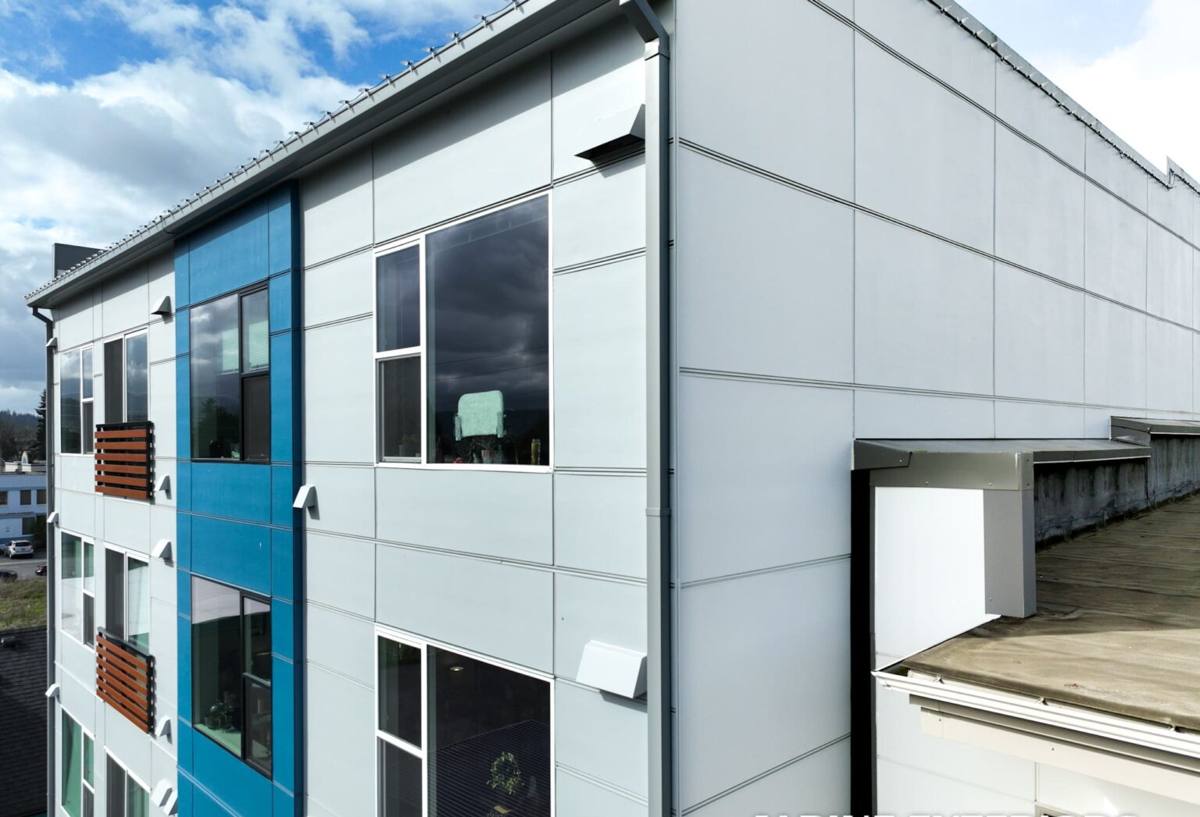
How the Lake Environment Shows Up in Older Windows
If your windows are original to the house or original to a remodel done decades ago, the lake environment leaves a fairly recognizable set of fingerprints. Knowing what to look for helps you decide whether you're looking at a repair or a replacement.
- Fogging or a permanent haze between double-pane glass — the seal has failed and moist air has gotten between the panes.
- Soft or spongy wood at the bottom corners of the frame, often where caulking has cracked and let water sit.
- Green or black growth on the frame or sill that comes back within weeks of cleaning, especially on shaded or north-facing walls.
- Noticeable drafts or cold spots near the window even with the sash fully latched.
- Difficulty opening, closing, or locking — swelling from moisture absorption is a common cause.
- Visible pitting or dulling on any metal hardware or aluminum framing, a sign of salt-air corrosion.
Any one of these on its own might be fixable. Several at once, especially on a house that's been standing near the lake for 20-plus years, usually means the windows have reached the point where replacement costs less over time than continuing to patch them.
What a Correct Installation Actually Involves
Swapping the glass unit itself is the easy part. The work that actually determines whether a window performs well near Wiser Lake happens around it.
Flashing and Water Management
Every replacement window needs proper flashing integrated with the existing wall's water-resistive barrier — not just a bead of caulk around the trim. Done wrong, water finds its way behind the siding instead of shedding off the surface, and you won't see the damage until it's already rotted framing. Given how much wind-driven rain this area gets, this step is the difference between a window that lasts fifteen years and one that fails from the inside out in five.
Sill Pan and Sloped Drainage
A sill pan under the window rough opening gives any water that does get past the outer seal somewhere to go — out, not into the wall. This is a small, inexpensive detail that a lot of rushed installs skip entirely.
Insulation and Air Sealing
Gaps around the frame need to be sealed with the right low-expansion foam or backer rod and sealant, not stuffed with fiberglass that does nothing to stop air movement. This affects both your comfort and your heating bill through the cooler, damper months.
Frame Material Fit for the Site
Not every frame material handles a lakeside, salt-air environment the same way. We'll walk through the trade-offs below, but the short version is that the "best" window on paper isn't always the best choice for a house sitting right on Wiser Lake.
Frame Material Comparison for a Lake-Adjacent Property
| Frame Material | How It Handles Moisture & Salt Air | Maintenance | Typical Lifespan |
|---|---|---|---|
| Vinyl | Won't corrode or rot; handles humidity well | Low — occasional cleaning | 20-30 years |
| Fiberglass | Very stable in moisture and temperature swings; resists warping | Low | 25-35+ years |
| Wood (unclad) | Attractive but vulnerable to rot without diligent upkeep near water | High — regular painting/sealing | Varies widely with maintenance |
| Wood-clad (vinyl or aluminum exterior) | Exterior shell resists weather; wood interior stays protected | Moderate | 20-30 years |
| Aluminum | Prone to pitting and corrosion in salt air over time | Moderate to high | Shorter in coastal-adjacent settings |
Our default recommendation for Wiser Lake properties leans toward vinyl or fiberglass frames precisely because they don't give salt air and moisture anything to work on. We're not against wood-clad or aluminum options, but we'll tell you plainly when a material is going to demand more upkeep than most homeowners realistically want to keep up with on a lake-facing wall.
Glass and Seal Choices That Matter Here
Beyond the frame, the glass package matters more near open water than it might on a sheltered inland lot.
- Dual or triple-pane with argon fill — cuts down on condensation between panes and improves comfort near the drafty edges of the house.
- Low-E coatings — help manage heat loss through Whatcom County's long, mild-but-wet winters.
- Warm-edge spacer systems — the spacer between panes is often where seal failure starts; better spacer materials resist that failure longer in humid conditions.
- Corrosion-resistant hardware — locks, hinges, and cranks in stainless steel or coated finishes hold up better against salt-influenced air than bare metal.
Our Process for a Wiser Lake Window Replacement
- On-site assessment — we look at every window's frame condition, the wall assembly behind it, and any existing moisture or rot before recommending full replacement versus repair.
- Honest scope and estimate — you get a clear picture of what's failing, what's still sound, and what it will cost, with no pressure to replace more than the house actually needs.
- Product selection — we walk through frame and glass options suited to a lake-adjacent site, matching your budget and the look of your home.
- Removal and inspection — once old windows come out, we check the rough opening for hidden rot or water damage and address it before anything new goes in.
- Proper flashing and sill pan installation — integrated with the existing water-resistive barrier, not layered over problems.
- Air sealing and insulation — done with materials suited to the gap size and moisture exposure, not a one-size-fits-all foam job.
- Interior and exterior finish work — trim, caulking, and paint or stain matched to the rest of the house.
- Final walkthrough — every window opens, closes, and locks the way it should before we call the job done.
Why Local Experience Around Wiser Lake Matters
A crew that works this specific area regularly knows things a general contractor passing through won't — how exposed a given wall orientation is to wind off the lake, which parts of a property tend to hold moisture longer into the season, and how the moss and algae common here behave differently on glass and trim than they do a few miles inland in a drier microclimate. That experience shows up in small decisions: where to add extra flashing, which sill details need reinforcing, and which frame finishes hold their color and integrity longest in this kind of exposure.
It also means fewer surprises during the job. Rot hiding behind old trim, undersized rough openings, or a wall assembly that doesn't match what's typical elsewhere in Lynden are all things a locally experienced crew has seen before and knows how to handle without derailing the schedule.
What Affects the Cost of a Window Replacement Project
| Factor | Why It Matters |
|---|---|
| Number and size of windows | Larger openings and full-house replacements scale cost accordingly |
| Frame material chosen | Vinyl generally costs less upfront than fiberglass or wood-clad options |
| Existing damage found | Rot or water damage discovered during removal adds repair work before new windows can go in |
| Glass package | Triple-pane, upgraded Low-E coatings, and specialty glass add cost over standard dual-pane |
| Access and site conditions | Upper-story or hard-to-access windows take more time and equipment |
| Trim and finish work | Matching existing exterior trim profiles or repainting adds labor |
We won't quote a project without seeing the actual windows and walls first — anyone offering a firm number over the phone for a lake-area home is guessing, and that guess tends to grow once the real condition of the walls is exposed.
A Quick Checklist Before You Call Anyone
- Note which windows fog, stick, or feel drafty, and which ones seem fine — this helps target the estimate.
- Look for soft wood or peeling paint at the sill and lower corners from outside, if it's safe to check.
- Ask any contractor how they handle flashing and sill pans, not just what brand of window they sell.
- Confirm whether the quote includes disposal of old windows and any incidental repair to rot found during removal.
- Ask about warranty coverage on both the product and the labor/installation separately.
- Get everything in writing before work starts, including the frame material, glass spec, and finish colors.
If your windows near Wiser Lake are fogging, sticking, drafty, or just showing their age, we're glad to come take a look and give you a straightforward, no-pressure estimate — use the form below to get started.