 Lynden Exterior
 Why Bellingham's Coastal Climate Is Hard on Windows
Bellingham sits close enough to the water that salt-laden air is a real factor in how windows age, not just a talking point. Combine that with Whatcom County's long wet season and the driving, wind-pushed rain that comes off the Sound, and you have a climate that finds every weak point in a window installation faster than drier parts of the state ever would. Frames corrode or swell, sealants fail early, and moss and algae get a foothold on anything that stays damp for weeks at a time.
None of that means windows here need to be exotic or overbuilt. It means the material choice, the flashing detail, and the caulking have to be right the first time, because a marginal install that might limp along in a drier climate will show its problems within a year or two in Bellingham.
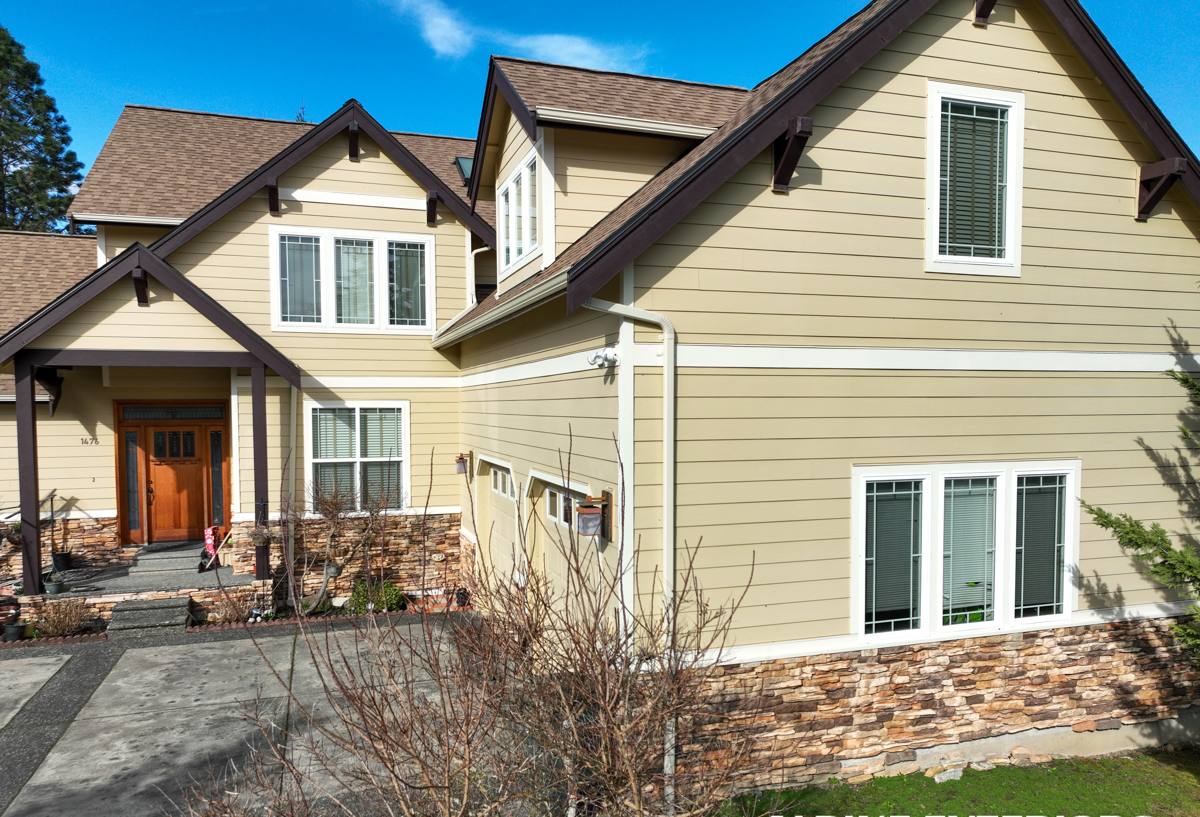
What Local Homes Actually Need From a Window Job
Moisture Management First
The single biggest factor in a good custom window installation here isn't the glass, it's what happens around the frame. Proper flashing, correctly lapped house wrap, and a sealed sill pan keep wind-driven rain from working its way behind the trim. We've opened up plenty of window openings in this area where the glass itself was fine, but water had been getting behind the frame for years because the flashing was an afterthought.
Materials That Tolerate Salt Air
Not every frame material handles a coastal atmosphere the same way. Bare aluminum and lower-grade metal hardware can pit and corrode faster near the bay. That doesn't rule aluminum out entirely, but it does mean hardware and finish quality matter more here than they would further inland.
Surfaces That Don't Feed Moss
Anything that holds moisture against wood trim or a porous sill will eventually grow something green on it. That's just the reality of a long, damp Pacific Northwest season. The fix isn't a chemical treatment, it's design: sloped sills that shed water, trim details that don't trap standing moisture, and finishes that don't need constant upkeep to stay sealed.
Choosing the Right Window Material for This Climate
There's no single "best" window material for every home. The right call depends on your home's exposure, your maintenance appetite, and your budget. Here's how the common options actually perform in a Whatcom County coastal setting:
| Material | Moisture & Salt Air Behavior | Maintenance | Typical Fit |
|---|---|---|---|
| Vinyl | Won't corrode or rot; performs consistently in damp conditions | Low — occasional cleaning | Most homes, best value |
| Fiberglass | Very stable in wet, salt-air conditions; minimal expansion/contraction | Low | Homes with heavy weather exposure or larger openings |
| Wood-clad | Interior wood needs protection from any moisture intrusion; clad exterior helps but isn't foolproof if flashing fails | Moderate to high | Homeowners wanting a wood interior look who accept the upkeep |
| Bare aluminum | Can pit or corrode faster near the bay unless finish quality is high | Moderate | Specific architectural needs, less common for full-home replacement here |
As a professional standard, we steer most Bellingham homeowners away from bare, unfinished aluminum for full-home replacements — not because it can't be made to work, but because the maintenance burden and corrosion risk near the water usually outweigh the upfront savings. When wood-clad is what a homeowner wants for the interior look, we make sure the exterior detailing is sealed correctly, because that's where a coastal climate finds the gaps.
Glass Packages and Condensation Control
Double-pane, low-E glass with argon fill is the standard baseline for this climate, and for most Bellingham homes it's the right call. Triple-pane adds real value in a few specific situations — north-facing rooms that stay cold and damp, homes closer to the water with more direct wind exposure, or rooms where condensation on the interior glass has been a recurring complaint. It's not automatically "better" for every window; it's a tool for specific exposure problems.
Condensation between panes (not on the surface) is a sign of failed seals, and it shows up faster in humid coastal climates than in dry ones. When we quote a replacement, we're also looking at whether existing units nearby are already showing that failure, since it tells us something about how the original installation has held up.
What a Correct Installation Includes
- Sill pan flashing that directs any water that gets past the frame back outside, not into the wall cavity
- Properly lapped house wrap and flashing tape integration, shingle-style, so water always sheds downward and outward
- Backer rod and exterior-grade sealant rated for sustained wet exposure, not a general-purpose caulk
- Shimming and squaring the frame so weatherstripping seals evenly on all four sides
- Insulation in the gap between frame and rough opening — not stuffed tight, which restricts drainage
- Interior and exterior trim sealed and finished before the job is called complete
Our Process
- On-site assessment — we look at current window condition, sill and trim moisture damage, and the home's specific exposure to wind and rain.
- Material and glass recommendation — based on that exposure, not a one-size answer, and matched to your budget.
- Written estimate — clear on scope, materials, and what's included in the flashing and sealing detail, not just "windows installed."
- Removal and opening prep — checking framing and sheathing for hidden rot before anything new goes in, since covering up a problem is worse than finding it.
- Installation — flashing, frame, insulation, and sealant in that order, with attention to the details that actually matter in this climate.
- Trim and finish — interior and exterior finish work completed and sealed the same visit whenever possible.
- Final walkthrough — operation check on every window, plus a look at drainage paths before we consider it done.
Common Mistakes We See in Bellingham Window Replacements
Most of the callback problems we see on windows installed by other crews trace back to a handful of repeatable issues, not bad luck:
- Skipping or shortcutting sill pan flashing to save time
- Caulk used as the primary water barrier instead of proper flashing, which fails within a couple of wet seasons
- Rough openings not checked for existing rot before the new window goes in
- Trim reinstalled without resealing, leaving a gap for wind-driven rain to find
- Mismatched glass packages that don't account for a room's actual sun and wind exposure
Every one of these is avoidable with a careful install. None of them show up on day one — they show up two or three wet seasons later, which is exactly why the install detail matters more than the brand name on the window.
Living With a Long Moss Season
Moss and algae growth on window trim and sills isn't a defect in the window, it's a byproduct of extended damp weather sitting against a surface that holds moisture. The fix is mostly about design and drainage rather than cleaning products: sills that slope to shed water, gaps that allow airflow instead of trapping condensation, and exterior finishes that don't need frequent resealing to stay watertight. A well-installed vinyl or fiberglass window with correct sill detailing will shrug off a Whatcom County winter with minimal upkeep; a poorly flashed one will show green growth and soft trim within a couple of seasons regardless of what the window itself is made of.
Simple Upkeep That Helps
Rinsing pollen and salt residue off frames a couple of times a year, keeping weep holes clear of debris so water can drain out, and checking exterior caulk lines annually will extend the life of any quality window installation in this climate.
Cost Factors to Expect
Every home is different, so we won't quote a number without seeing the openings, but these are the factors that actually move the price:
| Factor | Why It Matters |
|---|---|
| Number and size of openings | Larger or more numerous windows mean more material and labor |
| Frame material chosen | Vinyl, fiberglass, and wood-clad carry different material costs |
| Glass package | Double-pane low-E vs. triple-pane changes both cost and performance |
| Condition of existing openings | Rot repair or reframing adds labor beyond a straight swap |
| Trim and finish scope | Full interior/exterior trim replacement costs more than reusing sound trim |
Why Hire a Crew That Already Works Bellingham
A contractor who works this area regularly already knows which exposures need extra attention to flashing, which older homes in the area tend to have hidden rot around original window openings, and how the wet season here actually behaves month to month — not just in general Pacific Northwest terms. That local familiarity shows up in fewer surprises during the job and fewer callbacks after it. It also means we're not learning the region's climate on your project; we're applying what we already know about how Whatcom County weather treats a window installation over time.
If you're weighing a custom window project for a Bellingham-area home, we're happy to take a look and give you a straight, no-pressure estimate — what your specific openings need, what it will cost, and why. There's no obligation, and the form below is the fastest way to get started.