 Lynden Exterior
 Why Blaine Homes Need a Different Approach to Windows
Blaine sits right on Semiahmoo Bay and Drayton Harbor, at the edge of Whatcom County where the Pacific pushes weather straight off the water and into the walls of every house in town. That's a different environment than most of the county deals with, and it changes what "energy-efficient windows" should actually mean for a Blaine home. A window that performs fine twenty miles inland in Lynden can fail early here if it wasn't chosen and installed with salt air, wind-driven rain, and a long wet-season moss cycle in mind.
We work throughout Whatcom County, and Blaine jobs get treated differently from day one. The frame material, the hardware finish, the flashing detail, and the sealants we choose all shift when a house sits close to salt water and takes weather with less tree cover to break the wind. This page walks through what that means in practice, what a correct installation involves, and how our process is built around it.
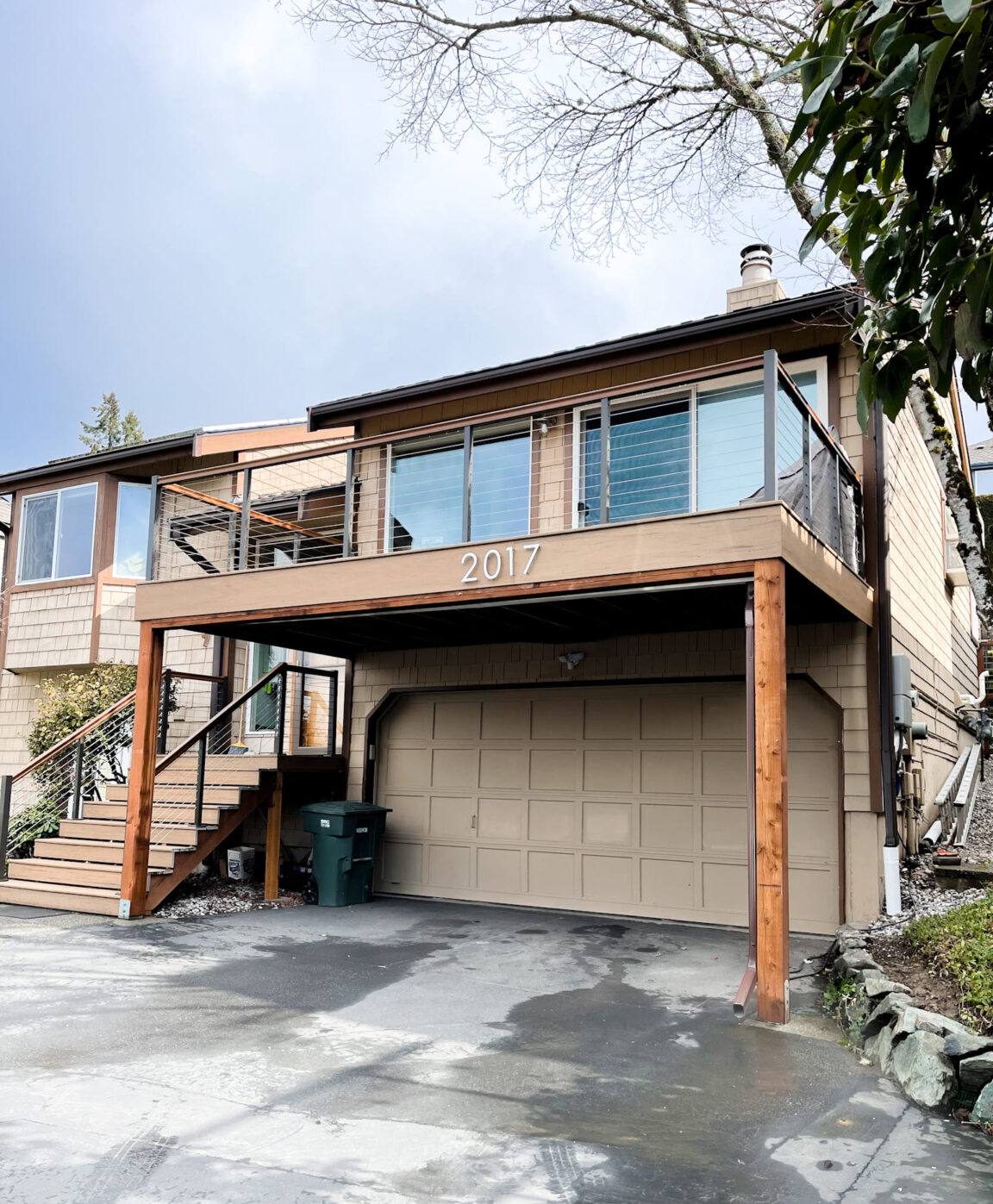
What Blaine's Climate Does to Windows Over Time
Salt Air and Hardware Corrosion
Airborne salt from the bay settles on everything, including window hardware. Cheap or mismatched hardware — hinges, cranks, locks, and screws — can start showing corrosion years before it would inland. This doesn't always show up as rust you can see right away; it often starts as stiff operation, a lock that doesn't seat cleanly, or a crank handle that feels gritty. Once corrosion sets in on hardware, it's a sign the window's finish and fastener choices weren't matched to a coastal site.
Wind-Driven Rain and Water Intrusion
Blaine gets rain that doesn't just fall — it drives sideways off the water during winter storms. That kind of weather finds every weak point in a window's flashing and sealant. Water intrusion around windows is rarely a dramatic leak; it's usually a slow path behind the trim that shows up months later as soft wood, peeling paint, or a musty smell near the sill. The window unit itself might be fine — it's the installation detail around it that decides whether water gets in.
The Long Moss Season
Whatcom County's wet season runs long, and Blaine's marine humidity keeps surfaces damp even when it isn't actively raining. Moss and mildew take hold on north-facing sills, exterior trim, and anywhere water sits instead of draining. On windows, that means sills and exterior casing need real drainage and a finish that doesn't hold moisture, or you're looking at recurring cleaning and premature wood rot.
Signs Your Blaine Home's Windows Are Due for Replacement
Not every symptom means you need full replacement — sometimes it's a resealing or hardware fix. But if you're seeing several of these together, it's worth having someone look at the whole window, not just the glass:
- Visible fog or moisture between panes (failed seal on a double-pane unit)
- Drafts you can feel near the frame even with the window latched shut
- Hardware that's stiff, corroded, or won't lock securely anymore
- Soft or discolored wood on the interior sill or exterior trim
- Condensation forming on the inside of the glass regularly in cooler months
- Rising heating bills without any other explanation
- Visible moss, algae, or black staining building up on sills or casing each winter
- Paint that bubbles or peels near the window frame
What "Energy-Efficient" Actually Means Here
U-Factor and Solar Heat Gain
Two numbers matter most for a Blaine home. U-factor measures how well a window resists heat loss — lower is better for our cool, wet winters. Solar heat gain coefficient (SHGC) measures how much solar heat passes through the glass. Blaine doesn't get intense year-round sun exposure the way southern climates do, so the priority here leans toward a low U-factor to hold heat in during the long heating season, with a moderate SHGC that still lets in welcome light and warmth on clear days.
Why Double or Triple Pane, and Gas Fill, Matter More Near the Water
Insulated glass units with argon or krypton gas fill between the panes cut down on heat transfer and reduce condensation risk — a real issue in a humid coastal climate where indoor and outdoor temperature swings happen fast. Triple-pane glass adds further insulation and is worth discussing for north-facing rooms or homes with direct wind exposure off the bay, though it comes at a higher cost and added weight that some older frames can't support without reinforcement.
Frame Material Trade-Offs in a Salt-Air Environment
There's no single "best" frame material for every house — it depends on exposure, budget, and how the house is built. Here's how the common options hold up specifically under Blaine's conditions:
| Frame Material | Coastal Performance | Maintenance | Best Fit |
|---|---|---|---|
| Vinyl | Good — won't rust, handles moisture well | Low; occasional cleaning | Most Blaine homes on a budget |
| Fiberglass | Excellent — very stable in temperature swings and salt exposure | Low | Homes with direct wind/water exposure |
| Wood-clad | Fair — needs a well-maintained exterior cladding to keep salt and moisture off the wood core | Higher; cladding and seals need regular checks | Homes prioritizing interior wood look |
| Aluminum | Poor without thermal breaks — conducts cold and is prone to corrosion near salt air | Moderate to high | Rarely our recommendation for this area |
We don't install every option on that list for coastal properties, and we'll say so plainly during your estimate. That's not a knock on any manufacturer — it's about matching hardware finishes, cladding quality, and warranty terms to what actually holds up a few blocks from the bay versus a few miles inland.
Our Installation Process for Blaine Homes
Assessment and Measurement
We start by looking at each window opening individually — its exposure to prevailing wind and rain, the condition of the existing frame and sill, and any signs of past water intrusion. Windows on the weather-facing side of a house often need more attention to flashing detail than sheltered ones, even on the same building.
Flashing and Water Management
This is the step that matters most in a driving-rain climate, and it's the step that's easiest to shortcut. Proper flashing directs any water that gets behind the siding back out and away from the wall assembly, not into it. We integrate flashing with the existing weather-resistive barrier rather than just caulking around the new unit and calling it done — caulk alone is not a substitute for correct flashing, and it's the single most common cause of window-related water damage we see on older coastal installations.
Sealing, Insulation, and Finish
Once the unit is set, plumb, and flashed, we insulate the gap between the frame and the rough opening, then seal the interior and exterior with sealants rated for the temperature and moisture swings this area sees. We check operation — smooth opening, closing, and locking — before considering the job finished, and we walk the exterior trim and sill detailing to make sure water has a clear path to drain rather than a place to collect.
Why Local Installation Experience Matters
A window installed correctly for Lynden's inland conditions isn't automatically installed correctly for Blaine's coastal exposure. The flashing sequence, hardware finish, and even caulk selection can differ based on how much salt air and driving rain a specific wall faces. A crew that regularly works Blaine properties has already seen which details fail first in this environment and builds around them from the start, rather than learning it through a callback. We also know the practical side — permitting expectations in Blaine and Whatcom County, and how local building conditions like older single-pane stock or non-standard openings in this area's housing tend to run.
Cost Factors for a Blaine Window Project
Every project is different, but these are the main variables that move the price up or down. We'll walk through all of them specifically for your home during a free estimate rather than quoting a number sight unseen.
| Factor | Why It Affects Cost |
|---|---|
| Frame material | Vinyl, fiberglass, and wood-clad carry different material and labor costs |
| Number of panes and gas fill | Triple-pane and gas-filled units cost more than standard double-pane |
| Window size and quantity | Larger units and whole-house replacement projects have per-unit efficiencies but a higher total |
| Condition of existing opening | Rot repair or reframing behind an old window adds labor before the new unit ever goes in |
| Exposure level | Weather-facing walls near the water may call for upgraded flashing and hardware |
| Access and site conditions | Second-story windows or tight site access can add labor time |
Maintaining Your Windows in a Salt-Air, High-Moisture Climate
Even a well-installed, high-quality window benefits from a little seasonal attention in this climate. A few habits go a long way toward protecting the investment:
- Rinse exterior frames and hardware periodically to clear salt residue, especially after winter storms
- Keep sills and tracks clear of standing moss or debris so water can drain freely
- Check and clear weep holes on vinyl and fiberglass frames so trapped moisture has somewhere to go
- Lubricate hardware annually with a manufacturer-approved product suited to coastal conditions
- Inspect exterior caulking each fall before the wet season sets in, and have any cracked or shrunken sealant addressed early
Skipping these doesn't ruin a window overnight, but neglect compounds faster here than it would twenty miles inland, simply because the air and moisture load are higher.
Getting Started
If your Blaine home has windows that are drafty, fogged, hard to operate, or just old enough that you're wondering whether they're costing you on heating bills, we're happy to take a look. We'll assess your specific exposure, walk you through honest frame and glass options for your budget, and give you a straightforward estimate with no pressure to commit on the spot. Use the form below to request your free estimate.