 Lynden Exterior
 Window Installation Built for Blaine's Coastal Conditions
Blaine sits right on the water at the top of Whatcom County, and that location changes what a window installation job actually needs to hold up. Homes near Semiahmoo Bay and Drayton Harbor deal with salt-laden air, wind that drives rain sideways into wall assemblies, and long stretches of damp, overcast weather that keep moss and mildew active for most of the year. A window that would be perfectly fine a few miles inland can fail early here if it wasn't installed with that exposure in mind.
We're based in Lynden and have done installation work across Whatcom County, including plenty of homes in and around Blaine. The climate difference between the two is real — Lynden sits inland with less salt exposure, while Blaine's coastal position means hardware, sealants, and flashing details all need to be chosen and installed with corrosion and water intrusion specifically in mind.
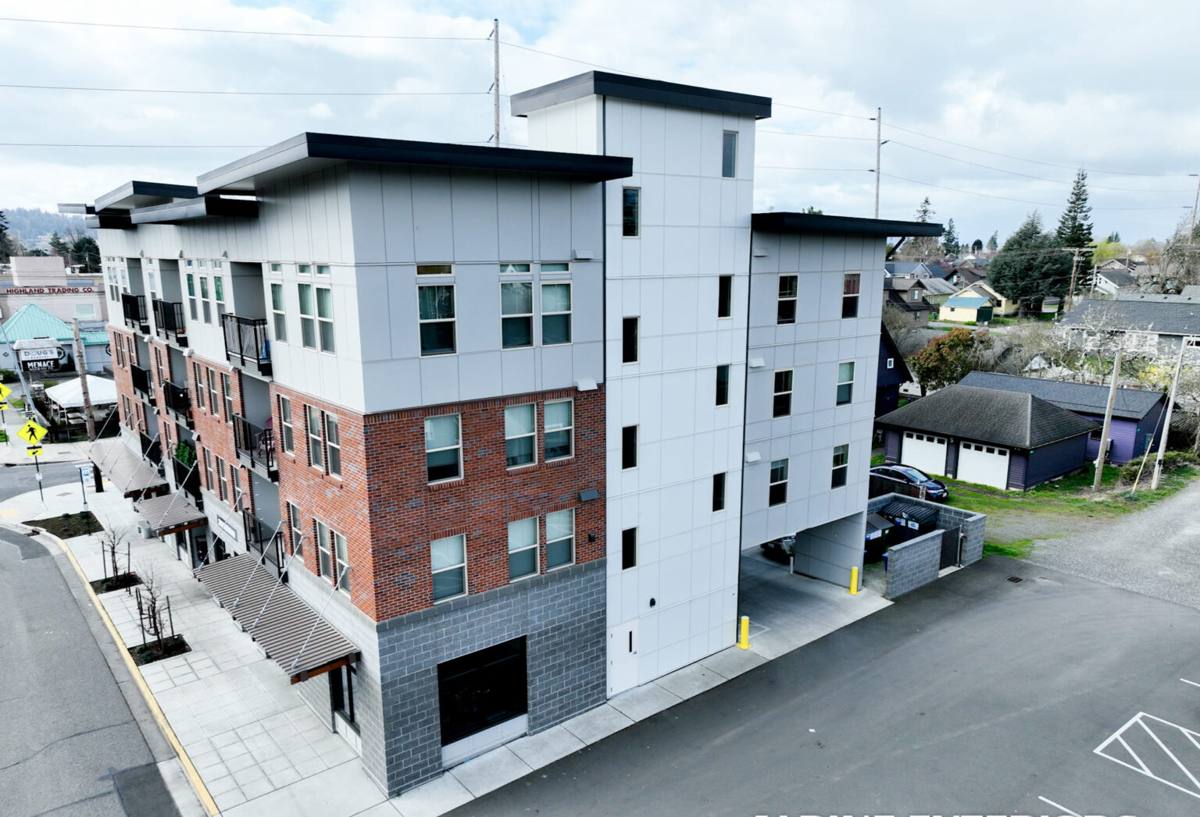
How Coastal Exposure Wears on Windows
Salt air doesn't just sit in the atmosphere near the water — it settles on surfaces, works into hardware, and accelerates corrosion on anything that isn't rated for it. Combined with frequent wind-driven rain, Blaine homes see a few specific failure patterns more often than inland properties:
- Corroded window hardware — hinges, locks, and rollers — well before the glass or frame shows any wear
- Failed seals around the frame that let moisture track into the wall cavity instead of shedding off the exterior
- Moss and algae buildup around sills and trim that holds moisture against the wood or cladding longer than it should
- Condensation between panes on older or poorly sealed double-pane units, a sign the seal has already broken down
- Paint and finish failure on window trim from repeated wet-dry cycling through the fall and winter
None of these are unusual for a coastal Whatcom County home — they're just part of what the location demands from the materials and workmanship. The fix isn't a different kind of window so much as the right window, installed with the right details, for this specific exposure.
Signs a Blaine Home Needs Window Replacement
Homeowners usually notice a problem before they can name it. Here's what tends to show up first on windows that are due for replacement in this climate:
- Visible fog or moisture trapped between panes
- Windows that are hard to open, close, or lock — often a sign the frame has shifted or hardware has corroded
- A noticeable draft near the frame even when the window is fully closed
- Soft or discolored wood trim around the window opening
- Rising energy bills without a clear explanation elsewhere in the house
- Visible gaps, cracked caulk, or peeling paint at the window perimeter
Any one of these on its own isn't necessarily an emergency, but a few showing up together — especially on the sides of the house that face the water or take the brunt of the prevailing wind — usually means it's time to have the windows looked at before the damage spreads into the surrounding wall framing.
What a Correct Installation Actually Involves
Swapping an old window for a new one sounds simple, and the window itself is honestly the easy part. What determines whether the job holds up in Blaine's weather is everything around the window — the flashing, the sealant, and how the opening ties back into the wall's water management system.
Flashing and Water Management
Every window installation should include proper flashing at the sill, jambs, and head — installed in the correct order so water is always directed out and away from the wall, never trapped behind the cladding. This is the single most important part of the job for a coastal home. A window can be expensive and well-built and still leak if the flashing underneath it was done wrong or skipped to save time.
Sealant and Hardware Selection
Not all sealants and fasteners are rated for long-term salt air exposure. We use materials and hardware suited to marine and coastal environments rather than standard inland-grade products, because the cheaper option tends to fail years earlier near the water.
Insulation and Air Sealing
The gap between the window frame and the rough opening needs to be insulated and air-sealed correctly — not overpacked, not left with gaps. Done wrong, it either restricts the window's ability to expand and contract with temperature changes or leaves a path for cold air and moisture to move through the wall.
Fit and Level
A window that's out of plumb or square will bind, seal poorly, and wear out its hardware faster. Getting the opening prepped and the window set level is what makes it operate smoothly for years instead of becoming a problem within one wet season.
Choosing Window Materials for Salt Air Exposure
Frame material matters more in Blaine than it does a few miles inland. Here's how the common options generally hold up under coastal, marine-influenced conditions:
| Frame Material | Salt Air Performance | Maintenance | Notes for Blaine Homes |
|---|---|---|---|
| Vinyl | Good — won't corrode or rust | Low | Common, cost-effective choice; quality varies by manufacturer, so fit and hardware matter as much as the frame |
| Fiberglass | Very good — stable and corrosion-resistant | Low | Handles temperature swings and moisture well; typically a step up in cost from vinyl |
| Wood / Wood-clad | Fair — needs protection at exposed joints | Higher | Attractive option but requires diligent finish maintenance in a wet, salty environment |
| Aluminum | Poor to fair unless marine-rated | Moderate | Standard aluminum corrodes faster near the water; we don't recommend it for direct coastal exposure without marine-grade coatings |
We don't push one brand or one material on every home. The right call depends on the home's exposure, the look the owner wants, and the budget — but we'll always tell you honestly if a product isn't a good fit for how close the house sits to the water.
Our Installation Process
- On-site assessment — We look at existing windows, framing condition, and the home's specific exposure to wind and salt air before recommending anything.
- Product selection — We walk through frame material, glass package, and hardware options suited to the home's location and the owner's priorities.
- Measurement and ordering — Openings are measured precisely so the new windows fit correctly without excessive shimming or gaps.
- Removal and opening prep — Old windows are removed carefully, and the opening is checked for hidden water damage or rot before anything new goes in.
- Flashing and installation — Windows are set level and square, flashed correctly, and sealed with coastal-rated materials.
- Interior and exterior finish work — Trim, caulking, and insulation are completed and cleaned up.
- Final walkthrough — We test operation on every window before calling the job done.
What Affects the Cost of Window Installation in Blaine
Every home is different, so we don't quote pricing sight unseen — but these are the main factors that move the number up or down:
| Factor | Why It Matters |
|---|---|
| Number of windows | Larger projects generally bring a lower per-window cost |
| Frame material | Vinyl, fiberglass, and wood-clad options carry different material costs |
| Glass package | Double-pane, triple-pane, and low-E or coastal-rated coatings vary in price |
| Condition of the existing opening | Hidden rot or water damage found during removal adds repair time |
| Window size and style | Custom shapes, larger spans, and specialty openings take more labor |
| Access and site conditions | Upper-floor or hard-to-reach windows take longer to install safely |
Broadly, homeowners in this region should expect a range that spans from a few hundred dollars per window for standard vinyl replacements up to several thousand for larger, higher-end, or custom units. We'll give you a real number after seeing the home, not a rough guess over the phone.
Why Local Experience in Blaine Matters
A crew that's used to working inland doesn't always think about salt-rated hardware, coastal sealants, or the extra care that flashing needs when a house takes wind-driven rain off the water on a regular basis. It's not that the work is more complicated — it's that skipping those details doesn't show up as a problem right away. It shows up two or three winters later as a soft sill or a corroded lock.
We work throughout Whatcom County, from Lynden out to Blaine and the surrounding coastal areas, so we see the difference in how homes age depending on their exposure. That experience shapes the products we recommend and the way we detail every installation, rather than treating every job the same regardless of where the house sits.
Living With New Windows Through Moss Season
New windows reduce a lot of the moisture and drainage problems that come with age and worn seals, but Blaine's long damp season still calls for some basic upkeep:
- Rinse salt residue off exterior frames and hardware periodically, especially after storms
- Keep gutters and nearby drainage clear so water isn't sitting against window trim
- Check and refresh exterior caulking every year or two, since sealants wear faster in salt air
- Clear moss or algae from sills and surrounding trim before it holds moisture against the surface
- Operate hardware occasionally through the winter so hinges and locks don't seize up
None of this is heavy maintenance — it's the kind of routine care that keeps a properly installed window performing well for its full lifespan instead of fighting the same coastal conditions the whole install was designed to handle.
Get a Free, No-Pressure Estimate
If your windows in Blaine are showing their age, or you just want an honest read on whether they're holding up the way they should for a home this close to the water, we're happy to come take a look. There's no pressure and no obligation — just a straight assessment and a clear estimate, using the form below.