 Lynden Exterior
 Windows Built for Everson's Climate, Not a Catalog
Everson sits in the part of Whatcom County where marine air off the Puget Sound meets the cooler, wetter conditions pushed in from the foothills. That combination means homes here deal with near-constant humidity, long stretches of driving rain in the fall and winter, and a moss season that can run half the year on shaded exteriors. Windows take a beating from all three. Old aluminum-frame or single-pane windows common in older Whatcom County homes were never designed for this kind of sustained moisture load, and it shows up as fogged glass, swollen wood sash, and heating bills that climb every winter.
An energy-efficient window replacement isn't just about comfort during a cold snap. Done right, it's about keeping moisture out of the wall cavity, cutting the draft you feel sitting near a window in January, and reducing the condensation that feeds mold and mildew growth on interior sills. We approach every Everson window job with that full picture in mind, not just the glass.
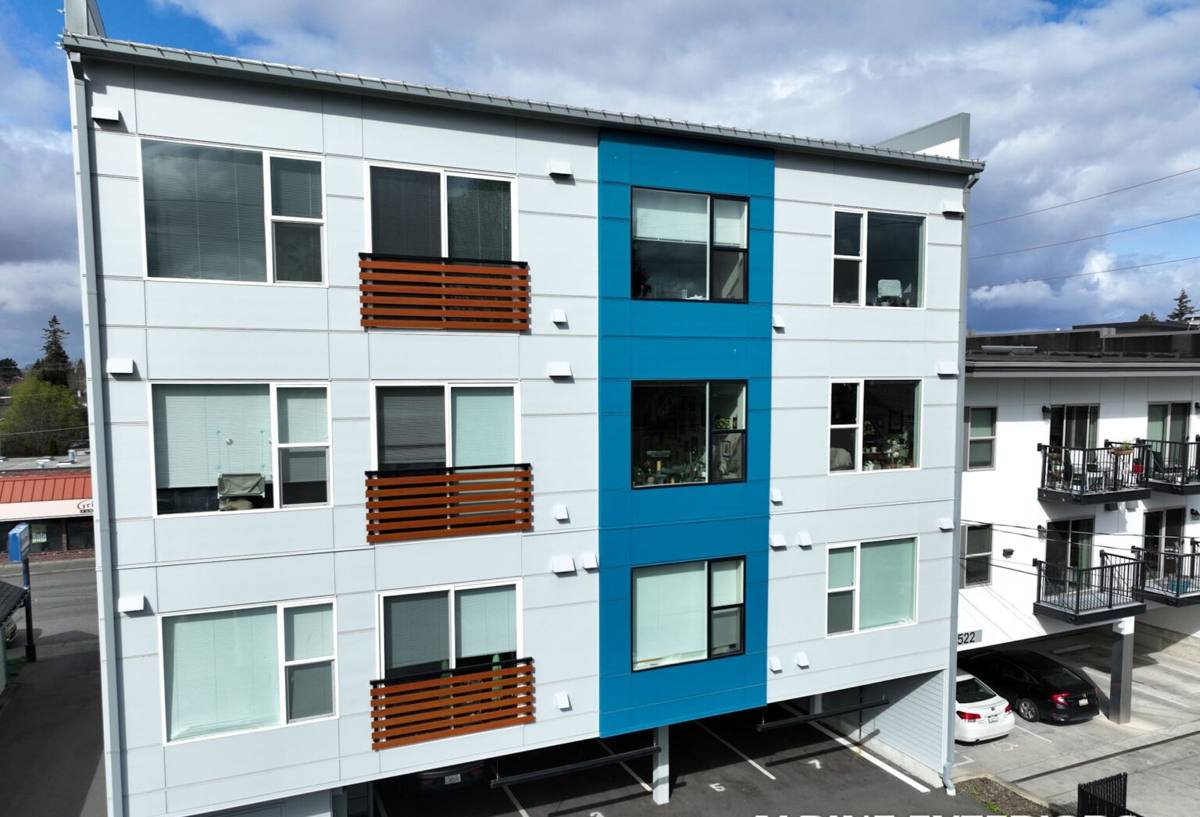
What "Energy-Efficient" Actually Means for a Whatcom County Home
Manufacturers throw around efficiency ratings, but the numbers that matter most for a home in this region are the ones tied to moisture and air infiltration, not just heat loss. A window can carry a great energy rating on paper and still perform poorly here if it isn't installed with the right flashing and sealing for our rain patterns.
The Ratings Worth Understanding
- U-Factor — how well the window resists heat transfer. Lower is better for our cool, damp winters.
- Solar Heat Gain Coefficient (SHGC) — how much solar heat passes through. Matters less here than in sunnier climates, but still relevant on south- and west-facing walls.
- Air Leakage (AL) — how much outside air sneaks past the frame. This is the number that most affects comfort and draft in a marine climate like ours.
- Condensation Resistance — often overlooked, but critical in a climate where indoor-outdoor temperature and humidity differences are the norm for months at a time.
For Everson homes, we weigh air leakage and condensation resistance as heavily as U-Factor. A window that stops drafts but sweats on the inside every damp morning isn't doing its job.
Signs Your Current Windows Are Working Against You
Homeowners often wait too long to replace windows because the failure is gradual rather than sudden. A few signs we see regularly on service calls in and around Everson:
- Condensation or fog trapped between panes of double-pane glass — the seal has failed and the insulating gas is gone.
- Visible moss or algae growth on the sill, frame, or exterior trim around the window opening.
- Wood sash or frame that feels soft, swollen, or shows paint bubbling near the bottom corners.
- A noticeable draft when standing near the window on a windy day, even with it fully closed and locked.
- Difficulty opening, closing, or locking the window due to frame warping or hardware corrosion.
- Interior sill or drywall staining below the window, which usually points to water getting past the flashing.
Any one of these on its own might not mean full replacement is urgent. Several together, especially moisture staining paired with a failed seal, usually means the window and the flashing behind it both need attention before the next wet season.
What a Correct Window Replacement Actually Involves
The window unit itself is maybe half the job. The other half — the part that determines whether the install lasts fifteen years or fails in three — is how it's flashed, sealed, and integrated with the existing wall assembly.
The Details That Matter Most in This Climate
Because Everson gets sustained wind-driven rain rather than short, light showers, water is pushed harder against the wall plane than it would be in a drier climate. That changes how a window opening needs to be treated:
- Proper flashing sequencing — sill pan, jamb flashing, and head flashing installed in the correct shingle-lap order so water sheds outward at every layer, never inward.
- Weather-resistant barrier integration — tying the window's flashing into the house wrap or building paper correctly, not just caulking over the gap.
- Proper shimming and squaring — an out-of-square window stresses the seals and hardware early, leading to premature air and water leaks.
- Correct insulation of the gap — low-expansion foam or backer rod and sealant around the frame, avoiding both gaps and over-packing that bows the frame.
- Exterior trim and caulking — the visible finish work, but also the last line of defense against wind-driven rain finding a way in.
Skipping or rushing any one of these steps is how a brand-new, high-efficiency window ends up with a moisture problem behind the wall within a couple of winters — and it's the single biggest reason we see premature window failures in this region that have nothing to do with the window unit itself.
Frame and Glass Options for Everson Homes
There's no single "right" window for every house. The right choice depends on your home's age, exposure to wind and rain, and how much upkeep you want to take on. Here's how the common options stack up for our climate specifically:
| Frame Material | Moisture Performance Here | Maintenance | Typical Fit |
|---|---|---|---|
| Vinyl | Very good — won't rot, resists our humidity well | Low — occasional cleaning | Most Everson homes, best value |
| Fiberglass | Excellent — very stable in temperature and moisture swings | Low | Homes wanting a longer-term, higher-end option |
| Wood (clad exterior) | Good if maintained; exterior clad protects against our rain | Higher — interior wood still needs periodic attention | Homes prioritizing a traditional interior look |
| Aluminum | Poor — conducts cold and can condense heavily in our winters | Moderate | Not something we recommend for replacement here |
On glass, double-pane with a low-E coating and argon gas fill is the practical standard for most Everson homes and performs well against our climate. Triple-pane adds further insulating value and is worth discussing for north-facing rooms, additions with more glass area, or homeowners specifically chasing lower heating costs — but it's a real cost step up, and we'll walk you through whether it pencils out for your specific house rather than upselling it by default.
We steer homeowners away from bare aluminum frames and lower-grade vinyl with thin, unreinforced corners. It's not that these products can't be sold — it's that in a climate with this much sustained moisture and temperature swing, they tend to show condensation and seal problems years before a properly specified vinyl or fiberglass window would, and we'd rather set that expectation up front than have you deal with it later.
How Our Process Works for an Everson Job
1. On-Site Assessment
We look at more than the window itself — the surrounding siding, trim condition, and any existing moisture staining tell us what we're actually dealing with before we quote anything.
2. Honest Measurement and Options
Every opening gets measured individually. Older homes settle unevenly, and Everson has its share of homes where no two window openings are exactly the same size. We'll walk you through frame and glass options suited to that specific opening and its exposure.
3. Removal and Opening Prep
Old windows come out carefully to avoid unnecessary damage to surrounding siding or trim, and we inspect the opening for hidden rot or water damage before anything new goes in. This is often where we find problems the homeowner didn't know about.
4. Flashing, Install, and Seal
This is where the details from the section above happen — sill pan, flashing sequence, correct shimming, insulation, and sealing, done in the order that actually sheds water in a wind-driven rain event.
5. Finish and Walkthrough
Exterior trim and caulking are finished, interior trim is reset or replaced as needed, and we walk the job with you so you know what was done and why.
What Drives Cost on a Real Everson Project
Every home is different, so we won't quote a number without seeing the job — but these are the main factors that move the price up or down:
| Factor | Why It Matters |
|---|---|
| Number and size of openings | Larger or more numerous windows mean more material and labor |
| Frame material chosen | Vinyl, fiberglass, and clad wood carry different unit costs |
| Glass package | Double-pane low-E versus triple-pane changes both cost and performance |
| Condition behind the existing window | Hidden rot or water damage found during removal adds repair scope |
| Access and second-story work | Upper-floor or hard-to-reach windows take more time and equipment |
| Trim and siding tie-in | Matching or repairing exterior trim around the new unit adds labor |
We'd rather find hidden rot during the estimate walk-through or the removal step and tell you honestly than gloss over it and have it resurface as a problem in two years.
Why a Crew That Already Works in Everson Makes a Difference
We're based in Lynden, and Everson is regular territory for us — not a stretch job we take once and move on from. That matters in a few practical ways. We already know how the local building department handles permitting on window replacement projects. We've seen how homes of different ages in this immediate area were originally built and where the common trouble spots tend to be. And because we're close by, warranty callbacks or follow-up questions don't mean waiting on a crew that has to drive in from out of the area.
A crew that only occasionally works in Whatcom County is more likely to default to generic install methods that work fine in a drier climate but leave gaps in a region that gets this much sustained rain. Local, repeated experience with this specific weather pattern is what keeps a window install performing years after the crew has left.
Caring for Your Windows After Installation
A properly installed energy-efficient window needs very little upkeep, but a small amount of seasonal attention goes a long way in this climate:
- Clear debris and moss from window sills and tracks, especially on shaded, north-facing walls.
- Check exterior caulking annually for cracking or separation, particularly after a hard winter.
- Keep gutters and downspouts clear so water isn't sheeting down over window openings.
- Operate locks and hardware periodically through the winter to prevent them from seizing up.
- Watch for any new condensation between panes — it's the earliest sign of a seal failure and is usually covered under manufacturer warranty if caught early.
If you're in Everson and dealing with drafty, foggy, or moisture-damaged windows, we're happy to take a look and give you an honest read on what's going on — no pressure, no upsell. Fill out the form below for a free estimate and we'll get back to you to schedule a time that works.