 Lynden Exterior
 Roof Replacement in Sumas: Built for This Corner of Whatcom County
Sumas sits at the edge of Whatcom County where marine weather off the Salish Sea meets the Nooksack River valley, and that combination is hard on roofs. Homes here deal with a long wet season, driving rain that comes in sideways during winter storms, salt-tinged air that works its way inland on wind events, and shaded, moisture-trapping conditions that let moss take hold fast. A roof that might last two extra years in a drier climate often shows its age early out here. When a roof in Sumas has reached the point where patching no longer makes sense, a full replacement done right — with the right materials, the right ventilation, and correct flashing details — is what actually holds up to another few decades of this weather.
This page is specifically about roof replacement for homes in and around Sumas. We work throughout Whatcom County, but the moss cycles, rain patterns, and wind exposure here are specific enough that they change how we approach the job.
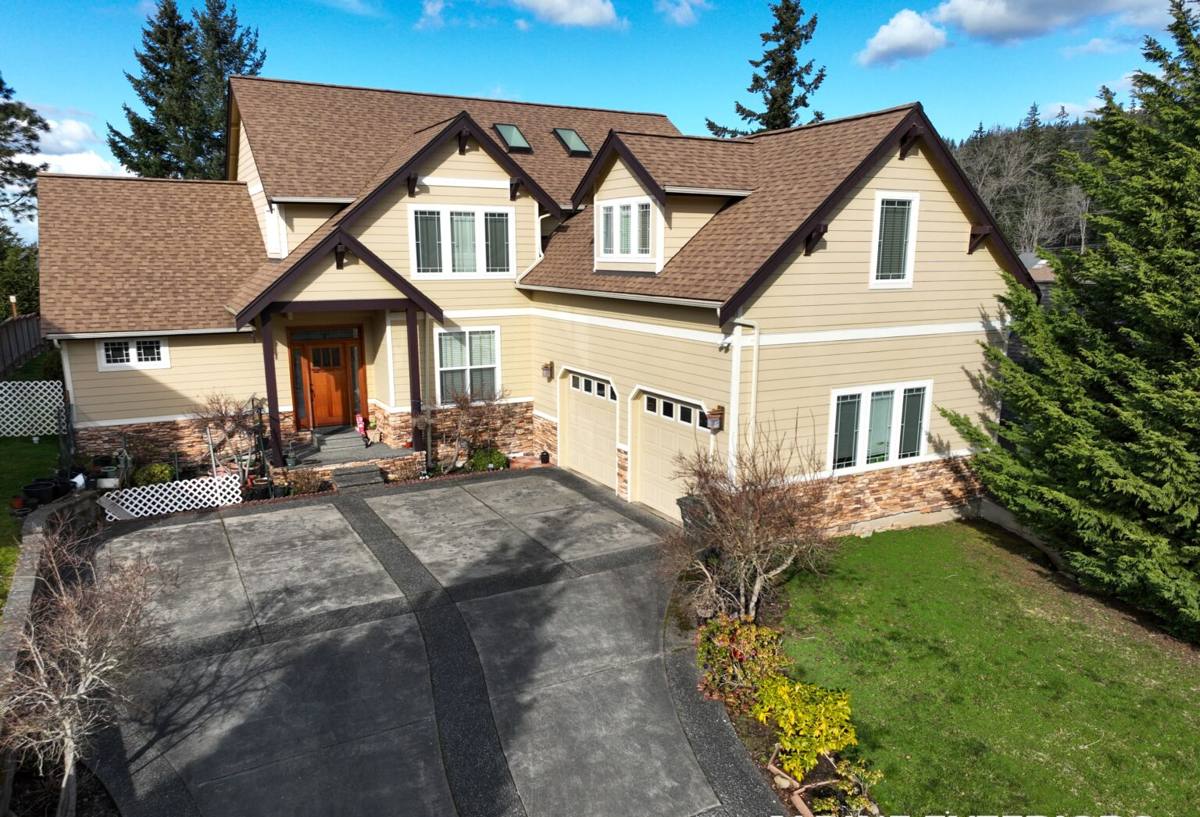
What Sumas Weather Does to a Roof Over Time
Moss and Organic Growth
Moss is the most visible sign of roof aging in this part of the county. Shaded roof planes, north-facing slopes, and areas under overhanging trees stay damp for days after a storm, and moss spores take advantage of that. Left alone, moss lifts shingle edges, holds water against the roofing material, and accelerates granule loss on asphalt shingles. By the time moss is thick enough to see from the ground, the underlying shingles have usually been compromised for a while.
Driving Rain and Wind-Driven Water
Storms that move through this area don't always fall straight down. Wind pushes rain sideways under shingle tabs, around flashing, and into any gap that a properly lapped and sealed roof system would otherwise shed. This is why flashing detail and underlayment choice matter more here than in calmer climates — a roof that's technically watertight in still conditions can still leak during a wind-driven event if those details were cut corners on.
Salt Air and Metal Fatigue
Salt-laden air carried inland from the coast accelerates corrosion on exposed metal — flashing, fasteners, gutter hardware, and any metal roofing components. Over years, that corrosion can compromise the very details that are supposed to keep water out at valleys, chimneys, and vent penetrations. Using corrosion-resistant fasteners and flashing metals is a small cost difference during installation that pays off over the life of the roof.
Temperature Swings and Material Fatigue
Whatcom County doesn't see extreme heat, but the freeze-thaw cycles and daily temperature swings across the fall and winter months cause roofing materials to expand and contract repeatedly. Over fifteen to twenty years, that cycling is part of what ages shingles, seals, and sealants faster than the manufacturer's lab testing might suggest.
Signs a Sumas Roof Needs Replacement, Not Another Repair
Not every roof problem calls for a full tear-off. But there's a point where repairs stop being cost-effective and start being a way to delay an inevitable, larger job. Here's what tends to indicate replacement is the right call:
- Granule loss heavy enough that you can see bare, shiny patches on asphalt shingles, or granules collecting in gutters
- Shingles that are curling, cupping, or cracking across multiple roof planes, not just one isolated area
- Moss and moss staining that has returned repeatedly after cleaning, especially on shaded slopes
- Daylight visible through the roof deck from inside the attic, or damp insulation after storms
- A roof approaching or past the manufacturer's expected lifespan for the material and local climate
- Multiple past repairs in different locations, suggesting the roofing system as a whole is failing rather than one section
- Soft or spongy spots underfoot during inspection, indicating deck damage beneath the roofing material
If only one or two of these apply and the roof is otherwise mid-life, a targeted repair may still be the right move — an honest contractor should tell you that instead of pushing a full replacement you don't need yet.
What a Correct Roof Replacement Actually Involves
A roof replacement is more than swapping old shingles for new ones. Given what this climate does to roofs, the details underneath the visible surface matter as much as the material on top.
Full Tear-Off and Deck Inspection
We remove the existing roofing down to the deck rather than layering new material over old — layering traps moisture and hides the deck condition, which is exactly the wrong approach in a climate this wet. Once the deck is exposed, we check for soft spots, rot, or delamination and replace any damaged sheathing before anything new goes down.
Underlayment and Ice-and-Water Protection
Synthetic underlayment goes down across the full deck as the roof's backup water barrier, with self-adhering ice-and-water membrane at the eaves, valleys, and any low-slope transitions where wind-driven rain is most likely to find a way in.
Flashing at Every Penetration
Chimneys, skylights, vent pipes, and roof-to-wall transitions are where most roof leaks actually start, not in the open field of shingles. New, correctly lapped flashing at every one of these points is non-negotiable, and we use corrosion-resistant metal given the salt exposure in this region.
Attic Ventilation
A roof system that isn't ventilated properly traps heat and moisture in the attic, which shortens shingle life from underneath and can contribute to condensation issues. We check intake and exhaust ventilation as part of every replacement and correct it where it's inadequate, rather than just replacing the roofing surface and leaving an undersized ventilation system in place.
Moss-Resistant Details
On shaded roof planes prone to moss, we can install zinc or copper strips near the ridge, which release trace metal ions that inhibit moss growth as rain washes over them. It's a small addition during installation that reduces how often a homeowner needs to deal with moss treatment later.
Comparing Roofing Materials for Sumas Conditions
Material choice affects how a roof performs against moss, wind-driven rain, and long-term maintenance. Here's how the common options compare for this climate:
| Material | Typical Lifespan | Moss & Moisture Behavior | Relative Cost |
|---|---|---|---|
| Architectural Asphalt Shingle | 20–30 years | Good with proper ventilation; moss-resistant granule options available | Lowest to moderate |
| Standing Seam Metal | 40–60 years | Sheds moisture fast; sloped panels discourage moss buildup | Higher upfront, lower lifetime |
| Synthetic/Composite Shingle | 30–50 years | Resists moisture absorption; performs well in damp, shaded areas | Moderate to higher |
| Cedar Shake | 20–30 years with upkeep | Attractive but needs regular treatment to resist moss and rot in this climate | Moderate to higher |
Asphalt shingle remains the most common choice for good reason — modern architectural shingles with algae-resistant granules perform well here when installed with correct ventilation and flashing. Metal and synthetic options make sense for homeowners planning to stay long-term and wanting to minimize future maintenance, even at a higher upfront cost. We'll walk through which option fits your roof's exposure, slope, and budget during the estimate rather than pushing one material across the board.
Our Roof Replacement Process
- On-site inspection. We assess the current roof, attic ventilation, deck condition where visible, and any moss or moisture patterns specific to your property's shade and slope exposure.
- Written estimate. You get a clear scope of work and pricing before any commitment — no vague allowances that turn into surprise add-ons mid-project.
- Material selection. We go over the material options above in the context of your roof and budget, not a generic upsell.
- Scheduling around weather. Given how much rain this area gets, we plan tear-off and dry-in carefully so your home isn't left exposed longer than necessary.
- Tear-off and deck repair. Old roofing comes off, the deck gets inspected, and any damaged sheathing is replaced before new material goes down.
- Installation. Underlayment, ice-and-water membrane, flashing, ventilation corrections, and the new roofing material are installed to manufacturer specification.
- Final walkthrough. We review the completed roof with you, including any moss-resistant details installed and what maintenance, if any, we recommend going forward.
Why Hiring a Crew That Already Works in Sumas Matters
Roofing crews that mostly work drier, less wind-exposed regions sometimes underestimate what Whatcom County weather does to a roofing system over time — skipping ice-and-water membrane in areas that need it, or using standard fasteners where corrosion-resistant hardware would hold up better against the salt air. A crew that regularly works Sumas and the surrounding area knows which roof orientations collect moss fastest, which flashing details tend to fail first in wind-driven storms, and how to sequence a tear-off so a home isn't sitting exposed when a storm rolls in unexpectedly.
That local familiarity isn't a marketing point — it shows up in fewer callbacks, roofs that actually perform the way they're supposed to in year eight or year fifteen, and a crew that can give you a straight answer about what your specific roof needs instead of a one-size-fits-all pitch.
What to Look For When Vetting a Roofing Contractor
- Current Washington contractor licensing and liability insurance you can verify
- A written estimate that spells out materials, scope, and timeline — not a verbal ballpark
- Willingness to explain deck condition and ventilation, not just shingle color options
- Manufacturer certification for the roofing system being installed, where applicable
- A clear answer on warranty coverage — both material warranty and workmanship warranty
- References or examples of past work in the local area, not just stock photos
Maintenance After Replacement
A new roof still needs occasional attention in this climate. We recommend a visual check after major storms, gutter cleaning at least twice a year so water isn't backing up under roof edges, and keeping overhanging branches trimmed back to reduce shade and debris buildup that feeds moss. If moss does return on a shaded section, gentle removal and rinsing — not pressure washing, which can strip granules — keeps the roofing surface intact. None of this is intensive, but skipping it is how a twenty-five-year roof starts underperforming at year twelve.
Get a Straightforward Estimate
If your roof in Sumas is showing moss, granule loss, curling shingles, or you're just not sure whether it's a repair or replacement situation, we're happy to take a look. The estimate is free, there's no pressure attached, and you'll get a clear, honest read on where your roof actually stands. Use the form below to get started.