 Lynden Exterior
 Why Maple Falls Windows Take a Different Approach
Maple Falls sits out in the Whatcom County foothills, on the way toward Mount Baker, and that location matters when it comes to windows. Homes out this way tend to be older, sit on wooded or partly shaded lots, and see more rainfall and more tree cover than properties closer to town. A window package that works fine on an open lot in Lynden doesn't always hold up the same way once you add heavier shade, more standing moisture around the foundation, and the wider temperature swings that come with foothill elevation. Custom windows here aren't a luxury upsell — they're often the only way to get a proper fit and the right materials for how the house actually sits on its lot.
We treat this as a local service, not a catalog order. That means looking at the specific opening, the specific exposure, and the specific way water and air move around that particular wall before we ever talk product numbers.
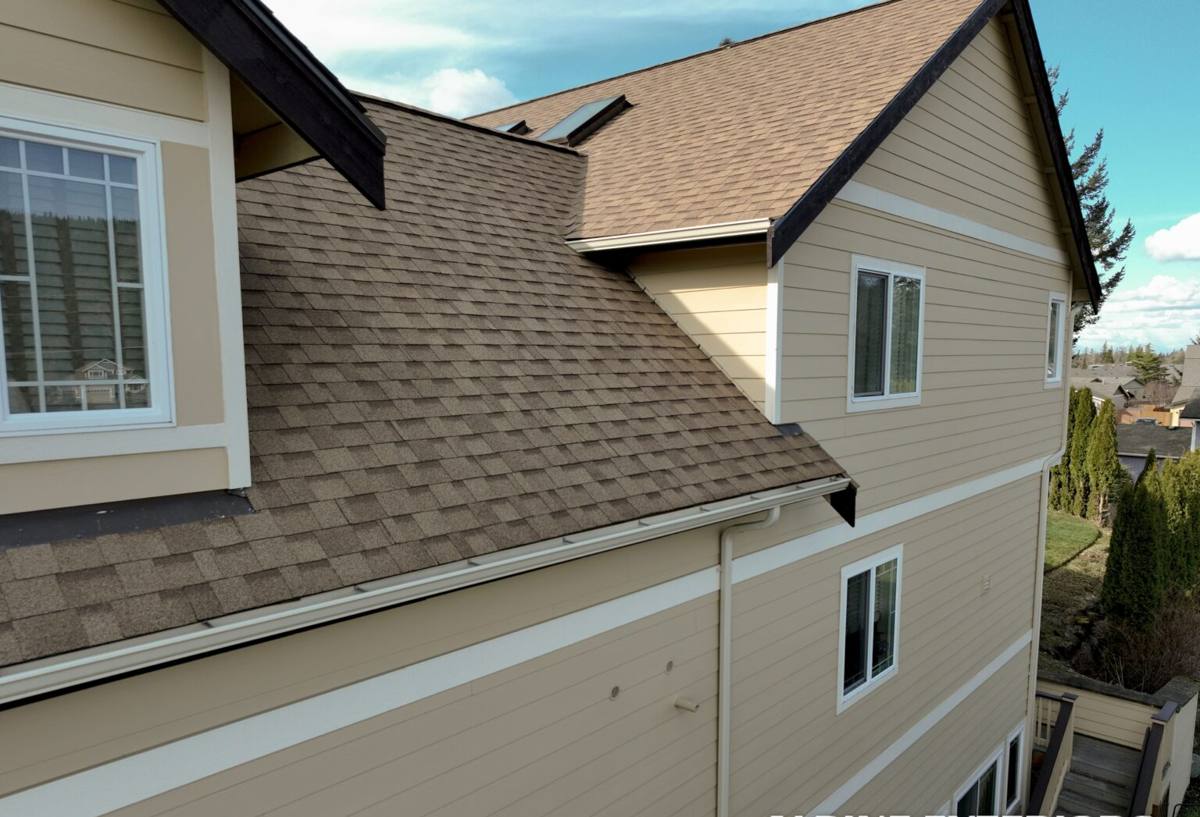
The Climate Maple Falls Windows Actually Have to Handle
Driving Rain and Wind-Driven Water
Whatcom County gets long stretches of steady, wind-driven rain, and the moisture-laden air that pushes in off the Sound doesn't stop at the city limits — it just shows up differently once it reaches the foothills, often as heavier and more sustained rainfall. Windows facing the prevailing weather take repeated wetting at the sill and lower corners, which is exactly where a poorly flashed or poorly caulked install starts to fail first. Over years, that's the difference between a window that just needs glass cleaning and one with soft framing underneath the trim.
Moss, Mildew, and Shade
Tree cover keeps a lot of Maple Falls properties shaded and cool, which is nice for the yard and hard on window exteriors. Moss and mildew take hold on sills, tracks, and exterior trim in spots that don't get much direct sun or drying wind. Once moss gets a foothold in a track or a caulk line, it holds moisture against the frame long after the rain has stopped, which speeds up rot in wood components and breaks down sealants faster than a manufacturer's warranty timeline assumes.
Temperature Swings Between Valley and Foothill
Foothill properties often see a wider daily temperature range than homes closer to the water — cold, still mornings and then real afternoon warm-up in summer, sharper overnight drops in winter. That swing stresses seals and insulated glass units more than a milder, more moderated microclimate would. Glass packages and frame materials that are rated for coastal Washington in general don't always account for that extra swing, which is one reason we don't treat every Whatcom County job as identical.
What "Custom" Means for an Older or Non-Standard Home
Out-of-Square Openings
A lot of Maple Falls homes have settled over the decades — foundations shift slightly, framing moves, and openings that were square when built often aren't anymore. Stock replacement windows are made for a perfect rectangle. Custom means measuring the actual opening, out-of-square corners and all, and either building or ordering a unit that accounts for that reality instead of forcing a standard size into a shape it wasn't made for.
Matching Original Sightlines
Replacing one or two windows in a house that still has its original units means matching sightlines and proportions, not just glass size. A mismatched frame profile or grid pattern stands out immediately from the street and can actually hurt resale appeal instead of helping it.
Farmhouse and Rural-Style Homes
Many properties out toward Maple Falls carry a farmhouse or rural-vernacular look — simpler trim, deeper-set windows, sometimes older wood siding. Custom sizing and trim detail lets a new window sit in that opening the way the original was built to look, rather than looking like an obvious retrofit.
Choosing the Right Frame Material
There's no single "best" window material — every option is a trade-off between upfront cost, maintenance burden, and how it handles sustained moisture and shade. Here's how the common choices stack up for a climate like this one:
| Frame Material | Moisture Behavior | Maintenance | Typical Lifespan |
|---|---|---|---|
| Vinyl | Won't rot; seams and corner welds are the weak point over time | Low — occasional cleaning | 20-30 years |
| Fiberglass | Very stable in wet/shaded exposures; minimal expansion or contraction | Low | 30-40+ years |
| Aluminum-Clad Wood | Good exterior protection but relies on the cladding seal staying intact | Moderate — interior wood still needs occasional attention | 25-35 years, cladding-dependent |
| Painted Wood (no cladding) | Most vulnerable to moss, mildew, and rot in shaded, wet spots | High — repainting and sealant checks needed regularly | 15-25 years without diligent upkeep |
For a heavily shaded, moss-prone lot with a lot of driving rain exposure, we lean toward vinyl or fiberglass for most Maple Falls jobs simply because they don't give moss and moisture a foothold in the frame material itself. Uncladded wood can still be the right call for a specific historic look — it just needs an honest conversation about the upkeep that comes with it.
What a Correct Installation Actually Involves
Sill Pan and Flashing
This is the step that gets skipped most often on rushed jobs, and it's the one that matters most in a wet climate. A proper sill pan under the window opening, integrated with flashing tape that ties into the house wrap, gives water a way out if it ever gets past the exterior trim. Skip this and even a good window will eventually let moisture into the wall cavity.
Air-Sealing and Insulation
The gap between the window frame and the rough opening needs to be sealed and insulated correctly — not stuffed too tight, not left with open gaps. Done right, it stops drafts and keeps condensation from forming inside the wall where you can't see it.
Exterior Sealant and Trim
The visible caulk line is the last line of defense, not the first. We use sealants rated for exterior exposure and check that trim details shed water away from the frame rather than channeling it toward the joints — a small detail that matters a lot after a few moss seasons.
Our Process From First Call to Final Walkthrough
- On-site assessment — we measure the actual openings, check for rot, out-of-square framing, or moisture damage before recommending anything.
- Material and style selection — we walk through frame material, glass package, and trim options based on that specific exposure and your budget.
- Written estimate — a clear scope and price range before any commitment, with cost factors explained so there are no surprises.
- Ordering and prep — custom units are built to the measured opening; we prep the site and protect landscaping and interior finishes.
- Installation — removal of the old unit, inspection of the opening for hidden damage, sill pan and flashing work, then setting and sealing the new window.
- Cleanup and walkthrough — we clear debris, walk the finished work with you, and confirm operation of every window before we call the job done.
Signs Your Current Windows Are Already Failing
- Fogging or moisture between the panes of an insulated glass unit
- Soft or spongy wood trim around the frame, especially at the bottom corners
- Moss or dark staining building up in the track or on the sill
- Windows that stick, won't stay open, or won't latch securely
- Noticeable draft near the frame during windy, wet weather
- Visible daylight or gaps around the frame from outside
- Peeling paint or bubbling finish concentrated around window openings
Any one of these on its own might just need a repair. Several at once, especially on a shaded or exposed wall, usually points to a frame or install issue that repair alone won't fix.
Why Hiring a Crew That Already Works Out This Way Matters
Maple Falls is far enough from Lynden proper that a lot of contractors treat it as an afterthought — a job squeezed in between closer work, with less familiarity with how foothill lots behave. A crew that regularly works this area already knows to check for the settling patterns common in older local homes, budgets real time for the flashing and sill work that this rain load demands, and isn't guessing at how a shaded, moss-prone exposure is going to treat a given frame material. That local pattern recognition shows up in fewer callbacks and fewer surprises once the job is done.
It also matters for scheduling and follow-up. A contractor based near Whatcom County can get back out to a Maple Falls property for a warranty check or a minor adjustment without it being a special trip, which matters more than it seems the first time you actually need it.
Keeping New Windows Performing Season After Season
New windows still need a little attention in this climate to get their full lifespan. A couple of times a year, clear moss and debris out of tracks and weep holes before they clog and trap water. Check exterior caulk lines for cracking or gaps, especially after a hard winter. Keep gutters and downspouts clear so water isn't sheeting down the wall above a window during heavy rain. None of this is difficult, but it's the kind of upkeep that separates a window installation that lasts three decades from one that starts having problems in year eight.
If you're dealing with drafty, foggy, or moss-choked windows on a Maple Falls property, or you're planning ahead for a remodel, we're glad to come take a look. The estimate is free, there's no pressure, and you'll get a straight answer about what your windows actually need — just fill out the form below to get started.