 Lynden Exterior
 Windows Built for the Sumas Climate, Not a Showroom in Another State
Sumas sits in a corner of Whatcom County that takes its weather seriously. Homes here deal with long stretches of driving rain, damp valley air that never fully dries out between storms, and a moss and algae season that can run most of the year on shaded roof lines, trim, and window sills. Add in salt-tinged coastal air moving inland off the Sound on a windy day, and you've got a climate that is genuinely hard on window frames, seals, and hardware over time. A window that performs fine in a dry climate can fail early here — swelling wood, corroding hardware, or seals that give out well before their rated lifespan.
We install and replace custom windows for homes in and around Sumas as part of our regular Lynden-area service territory. This page covers what that actually involves: what local homes need, what a correct installation looks like, and how to tell if your current windows are already working against you.
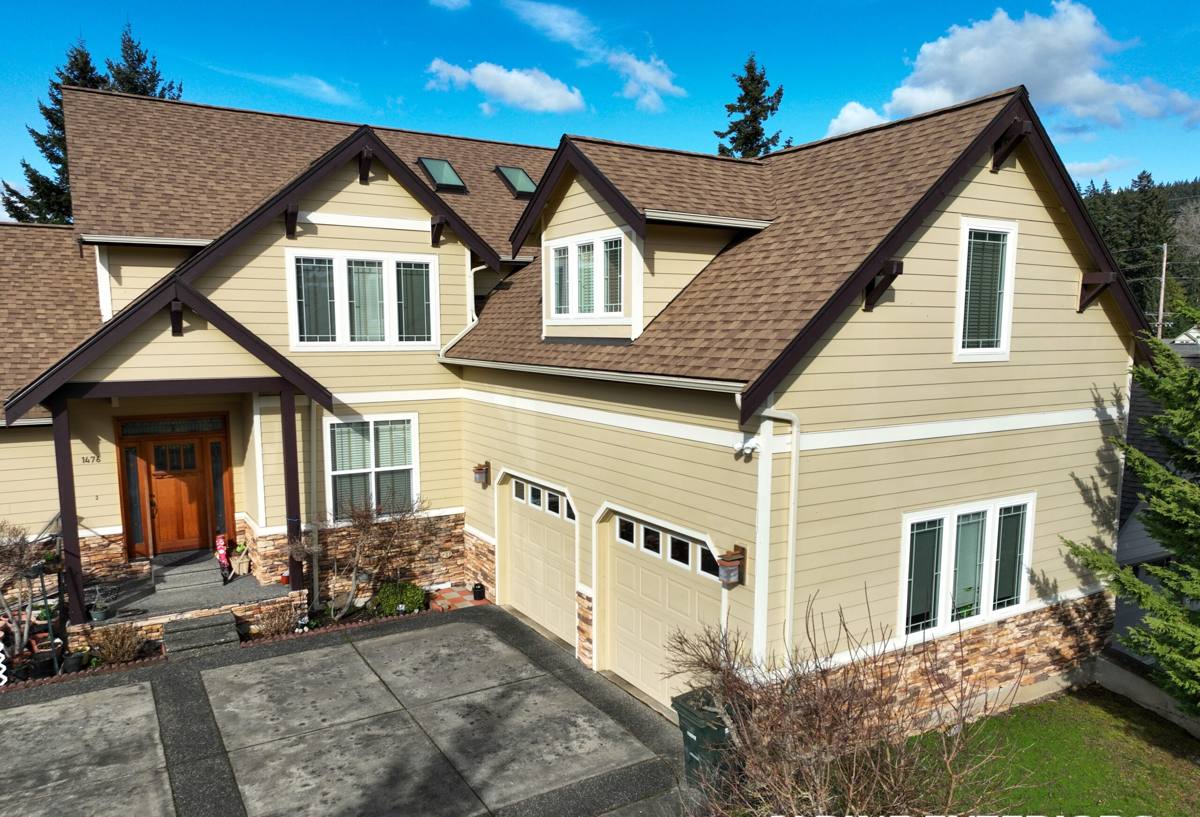
What "Custom" Really Means on a Window Job
"Custom" doesn't mean expensive or fancy — it means the window is built and installed to fit your actual opening, your actual wall assembly, and your actual exposure, instead of forcing a stock size into a rough opening with shims and extra caulk. That distinction matters more in older Whatcom County farmhouses and homes with settled or slightly out-of-square openings, which is common in a rural area like Sumas where many homes have been added onto or updated over decades.
Custom work typically covers:
- Precise field measurement of each opening, not a catalog assumption
- Matching frame depth to your existing wall thickness and siding type
- Selecting glass packages suited to the window's orientation (sun exposure, wind-driven rain side of the house, shaded/moss-prone north walls)
- Custom shapes or sizes for additions, bay windows, or replacing non-standard historic openings
- Trim and flashing details built for the specific siding material already on the house
Common Window Problems We See Around Sumas and Lynden
Most of the calls we get for window replacement in this area trace back to a handful of recurring issues, almost all tied to sustained moisture exposure:
Failed seals and fogging
Double-pane windows rely on a sealed gas fill between the panes. In a climate with this much sustained humidity and temperature swing, seals under stress fail earlier than they would in a drier region. Fogging between the panes means the seal is gone — it can't be repaired, only replaced.
Wood rot at sills and corners
Older wood-frame windows that weren't properly flashed or maintained take on water at the bottom corners and sill first. Once rot starts, it spreads into the surrounding framing if it's not caught early.
Moss and algae buildup in tracks and sills
Whatcom County's moss season is long, and window sills, sashes, and tracks on shaded elevations collect the same organic buildup as a roof does. Beyond the appearance, trapped moisture behind that growth accelerates wood decay and clogs weep holes designed to drain water out of the frame.
Corroded hardware
Locks, cranks, and balance hardware on older aluminum or steel components can corrode faster near coastal-influenced air. Once hardware seizes, homeowners often force it, which damages the frame further.
Choosing the Right Frame Material for This Climate
There's no single "best" frame material — the right choice depends on your home's exposure, your maintenance appetite, and your budget. Here's how the common options actually compare for a wet, moss-prone climate like ours:
| Material | Moisture Performance | Maintenance | Typical Trade-Off |
|---|---|---|---|
| Vinyl | Very good — won't rot, low water absorption | Low — occasional cleaning | Limited color/finish options; can look plain on higher-end homes |
| Fiberglass | Excellent — dimensionally stable in wet/dry cycles | Low | Higher upfront cost than vinyl |
| Wood-clad | Good on the exterior (clad), but interior wood still needs protection from condensation | Moderate — interior finish maintenance | Best look for traditional/farmhouse styles; higher cost and installation sensitivity |
| Aluminum | Fair — prone to condensation and corrosion near coastal air unless thermally broken | Moderate | Slim sightlines, but a poor fit for our climate without upgraded hardware |
For most Sumas homes we recommend vinyl or fiberglass for full-exposure walls that take the brunt of driving rain, and reserve wood-clad for covered porches, entries, or homes where matching an existing traditional look matters more than minimizing maintenance.
How Our Installation Process Works
1. Assessment and Measurement
We walk the home, note which elevations take the worst weather (usually the side facing prevailing wind and rain), check existing sill and framing condition, and take precise measurements of each opening.
2. Removal and Prep
Old windows come out carefully to protect interior and exterior finishes. This is also when hidden rot or water damage around the opening — if any — gets found and addressed before a new window ever goes in. Installing a new window over damaged framing just hides a problem, it doesn't fix it.
3. Flashing and Weatherproofing
This step matters more than the window itself. Proper flashing tape, sill pans, and weather-resistant barrier integration are what actually keep driving rain from getting behind the siding. A great window installed with poor flashing will still leak.
4. Installation and Sealing
The window is set plumb, level, and square, secured per manufacturer specs, insulated around the frame, and sealed with exterior-grade sealant rated for our climate's UV and moisture exposure.
5. Final Walkthrough
We test operation, check the seal line, and walk the homeowner through basic care — what to check each season and how to keep tracks and weep holes clear of moss and debris.
Signs It's Time to Replace, Not Repair
Not every window issue means full replacement. Use this as a general guide before deciding:
- Fogging or moisture trapped between panes — seal failure, not repairable
- Soft or spongy wood at the sill or corners when pressed — active rot
- Windows that won't stay open, lock, or seal shut fully — hardware or frame failure
- Visible daylight or a noticeable draft around the closed frame
- Condensation forming on the interior glass regularly, even in normal weather
- Paint or finish that keeps failing in the same spot no matter how often it's redone
- Noticeably higher heating bills with no other explanation
If you're only seeing one issue on one window, a repair or resealing may be enough. Multiple symptoms across several windows, especially on the same exposed wall, usually points to replacement being the more cost-effective long-term move.
Cost Factors Worth Understanding Before You Get a Quote
Window pricing varies a lot based on real factors, not just brand. Understanding these helps you compare quotes accurately instead of just comparing bottom-line numbers:
| Factor | Why It Matters |
|---|---|
| Frame material | Vinyl is generally the most budget-friendly; fiberglass and wood-clad cost more upfront |
| Glass package | Double vs. triple pane, low-E coatings, and gas fills all affect price and performance |
| Opening condition | Hidden rot or framing damage found during removal adds necessary repair work |
| Standard vs. custom size | Non-standard openings (common in older or added-onto homes) cost more than stock sizes |
| Number of windows | Doing a full-house project at once is usually more cost-efficient per window than one-off replacements |
We give straightforward, itemized estimates so you can see exactly what's driving the cost — not a single lump number with no explanation.
Permits and Local Considerations
Window replacement in Whatcom County can involve permit requirements depending on the scope of work, especially if the opening size is changing or the work is part of a larger remodel. We handle that conversation with you upfront so there are no surprises mid-project. For rural Sumas properties specifically, we also account for things like older framing standards, well-established landscaping close to the home, and access considerations that come with more spread-out rural lots.
Why Hire a Crew That Already Works Sumas and Lynden
A contractor who works this specific area regularly already knows how Whatcom County weather behaves against a wall — which elevations take the worst of the driving rain, how fast moss establishes on a shaded sill, and what wood-frame homes from different building eras tend to need. That local pattern recognition means fewer surprises during the project and a better shot at catching a moisture problem before it becomes a bigger repair. It also means we're a known, findable business in your community if you ever have a question after the job is done — not a crew that drove in from out of the area for one project.
If you're weighing window replacement or thinking about a custom fit for an odd opening, we're happy to take a look and give you a straightforward, no-pressure estimate — just fill out the form below.