 Lynden Exterior
 Why Siding in Acme Wears Differently Than It Does Elsewhere
Acme sits in a part of Whatcom County where weather doesn't do things halfway. Homes here take on driving, wind-pushed rain for much of the year, sit under heavy tree cover that keeps siding shaded and damp long after a storm passes, and share in the same marine-influenced air that moves inland off the Salish Sea and settles into the valleys around Lynden. That combination — moisture that lingers, air that carries salt, and shade that slows drying — is exactly the recipe that breaks down siding faster than manufacturers' general climate ratings assume.
Most siding products are engineered and tested against averages. Acme isn't an average. A wall that faces north under a stand of fir trees can stay damp for days after a storm, while the same house's south side dries out in hours. That uneven exposure is why siding repair here isn't a one-size job — it's diagnosing what each wall has actually been through.
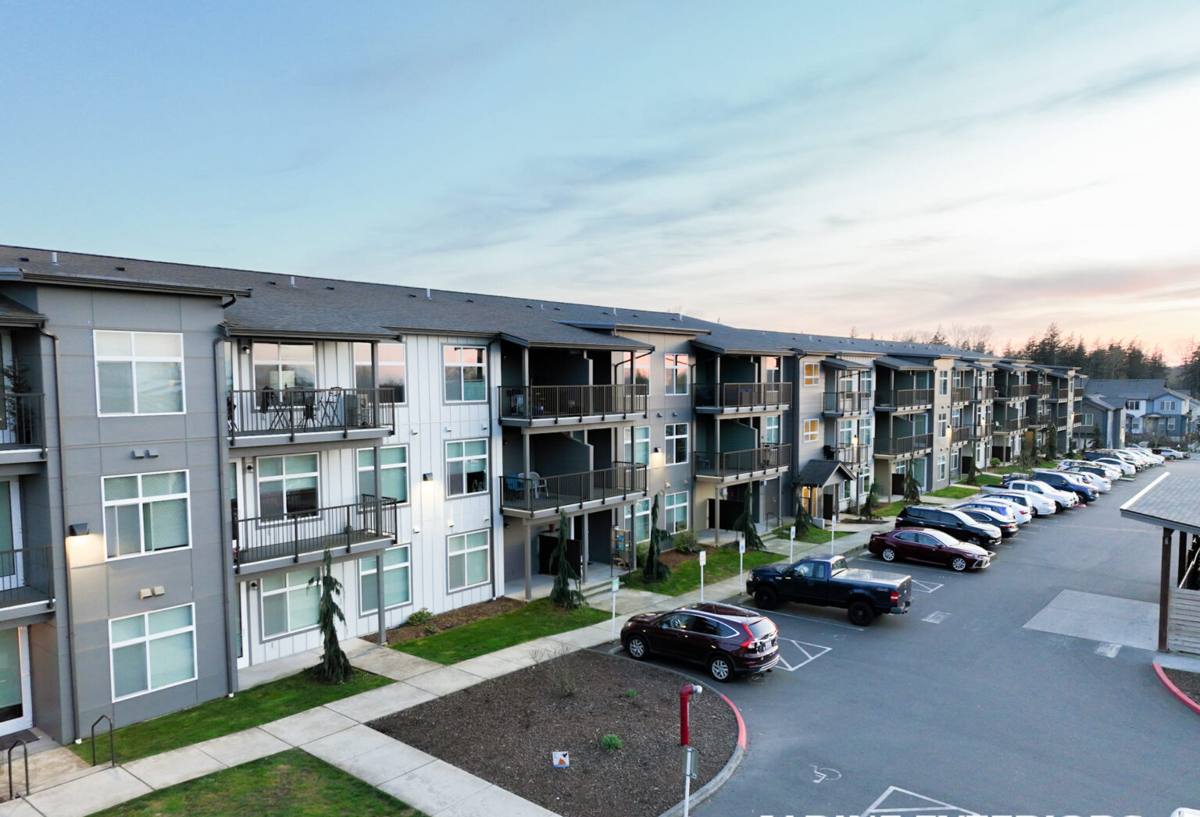
What a Long Moss Season Does to Siding
Whatcom County's moss season isn't a few weeks — for shaded, damp-prone lots like many in Acme, it can run most of the year. Moss and algae aren't just cosmetic. They hold moisture directly against the siding surface, block airflow that would otherwise let a wall dry, and their root structures work into seams, caulk lines, and any place the surface finish has started to fail. Left alone, a mossy patch on siding is rarely still just a mossy patch by the time we get a call — it's usually sitting on top of softened material or a compromised seam.
Salt-influenced air adds a second layer to this. It accelerates corrosion on fasteners, trim flashing, and any exposed metal components, which is often where a repair call actually starts — not with the siding panel itself, but with a rusted fastener or failed flashing letting water behind it.
Where We See the Damage First
- Bottom courses of siding near grade, where splash-back and slow-draining soil keep material wet longest
- North- and shade-facing walls under mature trees, where moss and algae establish fastest
- Butt joints and seams where caulking has dried out, cracked, or never bonded properly
- Around window and door trim, where flashing details are the actual first line of defense
- Corners and fastener heads, where rust staining signals metal that's been wet too long
Signs an Acme Home Needs Siding Repair Now
Some damage is obvious. A lot of it isn't, especially when it's hiding behind moss or in a shaded corner that doesn't get walked past often. Homeowners in Acme should watch for:
- Soft or spongy spots when you press on the siding, especially near the bottom courses
- Visible cracking, buckling, or panels that have pulled away from the wall
- Moss or dark algae staining that keeps coming back even after cleaning
- Paint or finish that's peeling, bubbling, or chalking unevenly
- Rust streaks below fasteners or trim
- Interior signs — a musty smell, discoloration on inside walls, or peeling interior paint near an exterior wall
- Gaps at seams, corners, or where siding meets trim, windows, or the foundation
None of these by themselves mean the whole wall needs to come off. But each one is worth a real look before it turns into a bigger problem.
What Correct Siding Repair Actually Involves
Repair done right isn't just swapping a cracked board for a new one. It starts with figuring out why that board failed in the first place — because if the underlying cause (a flashing gap, a grading issue pushing water at the wall, a seam that was never sealed properly) isn't addressed, the replacement piece fails the same way on the same schedule.
A proper repair on an Acme home typically includes:
- Removing the damaged section without disturbing more of the wall than necessary
- Inspecting the water-resistive barrier and sheathing underneath for hidden rot or moisture damage
- Correcting the actual cause — flashing, caulking, drainage, or clearance from grade — not just the visible symptom
- Installing matching material, properly fastened and sealed to manufacturer spec
- Finishing and blending the repair so it doesn't stand out from the surrounding siding
Repair vs. Replacement: How We Decide
| Factor | Points Toward Repair | Points Toward Replacement |
|---|---|---|
| Extent of damage | Isolated to one or two areas | Spread across multiple walls |
| Underlying sheathing | Dry, sound wood behind the siding | Rot or soft sheathing found during inspection |
| Age and material | Newer siding, matching material available | Aging or discontinued product, poor match |
| Cause of failure | One-off issue (impact damage, a failed seam) | Systemic issue (product failure, chronic moisture) |
| Overall condition | Rest of the siding is performing well | Rest of the siding is near the end of its service life |
We'll always tell you honestly which side of that table your home falls on. A patch job on failing siding is a short-term fix that costs more in the long run — and we'd rather say that upfront than sell a repair that won't hold.
Our Process for Acme Siding Repair Calls
- On-site inspection. We look at the damaged area and the surrounding siding, check for hidden moisture, and identify the actual cause — not just the symptom.
- Honest assessment. We tell you whether this is a straightforward repair, a larger repair, or a sign the wall section needs to be replaced — with our reasoning, not just a recommendation.
- Written estimate. Clear scope, clear pricing, no surprise add-ons once work has started.
- The repair itself. Damaged material removed, underlying issues corrected, new material installed and sealed to spec.
- Final check. We confirm the repair is watertight, properly fastened, and blended in before we call the job done.
Why We Repair and Replace With James Hardie Fiber Cement Only
When a repair calls for new material — whether it's a few boards or a full section — we use James Hardie fiber cement, and we don't install vinyl, LP SmartSide, Cemplank, Allura, primed spruce, or cedar. That's not a marketing position; it's a standard we hold because of what we see on repair calls throughout Whatcom County.
Wood-based and engineered wood products are more sensitive to the exact conditions Acme deals with: sustained moisture, shade, and moss. Vinyl handles moisture fine on its own but flexes, gaps, and fades with sun and temperature swings, and it's harder to color-match after years of exposure. Fiber cement is non-combustible, dimensionally stable in wet-dry cycles, and James Hardie's ColorPlus factory finish is engineered to hold color and resist the kind of moss and mildew staining that plagues shaded Whatcom County walls. When we patch in new material next to your existing siding, we want confidence that patch will perform the same way ten years from now — and that's the product we trust to do it.
Cost Factors for Siding Repair in Acme
Every repair is different, and we won't quote a number without seeing the wall. But the factors that actually move the price are consistent:
| Factor | Why It Matters |
|---|---|
| Size and location of damage | A single accessible panel is a much smaller job than a scattered or high-wall repair |
| Underlying damage | Sound sheathing keeps costs down; rot behind the siding adds carpentry work |
| Material match | Matching existing siding's profile, texture, and finish affects sourcing and labor |
| Access | Second-story or obstructed walls take more time and equipment |
| Root cause repair | Fixing flashing, drainage, or grading issues adds scope but prevents repeat damage |
Why a Crew That Already Works in Acme Matters
Siding repair isn't just a product question — it's a familiarity question. A crew that regularly works Acme and the surrounding Lynden area already knows what shaded, tree-covered lots do to a wall over a few winters, what moss regrowth patterns look like when a repair was done wrong the first time, and how far salt- and moisture-driven fastener corrosion tends to travel from the coast inland. That local pattern recognition is the difference between a repair that addresses the real cause and one that just replaces what's visible and waits for the same call again in two years.
It also means straightforward logistics — matching material availability, realistic scheduling around the wet season, and a crew that isn't guessing at how Whatcom County weather behaves.
Keeping Repaired Siding Performing Long-Term
A good repair should be close to a non-event after it's done. A few habits keep it that way, especially given how long moss season runs here:
- Rinse siding annually to keep moss and algae from re-establishing, especially on shaded walls
- Keep gutters clear so water isn't overflowing directly onto siding below
- Trim back vegetation and tree limbs that keep walls shaded and damp
- Check caulking at seams, trim, and penetrations every year or two and re-seal as needed
- Walk the exterior after major storms and note any new soft spots, staining, or gaps early
If you're seeing moss that won't quit coming back, soft spots, or staining on your Acme home's siding, we're glad to take a look. We'll give you a straight, no-pressure assessment of what's actually going on and what it would take to fix it right — just fill out the form below to get started.