 Lynden Exterior
 Deck Repair Built for Ferndale's Coastal-Edge Climate
Ferndale sits close enough to the water that decks here take a different kind of beating than decks twenty miles inland. You get the same relentless Pacific Northwest rain that soaks all of Whatcom County, but layered on top of it is salt air drifting in off the bay, plus a moss season that runs longer than most homeowners expect. That combination speeds up wood decay, corrodes fasteners faster than people assume, and hides problems under a green film until a board finally gives underfoot. We're a Lynden-based crew that works Ferndale regularly, so we're not guessing at what your deck is dealing with — we see the same failure patterns house after house in this area.
This page is about one thing: repairing decks in Ferndale the right way, not a generic list of deck services. If you're dealing with soft spots, wobbly rails, stuck ledger boards, or a deck that just feels "off" when you walk across it, here's what we look at and how we fix it.
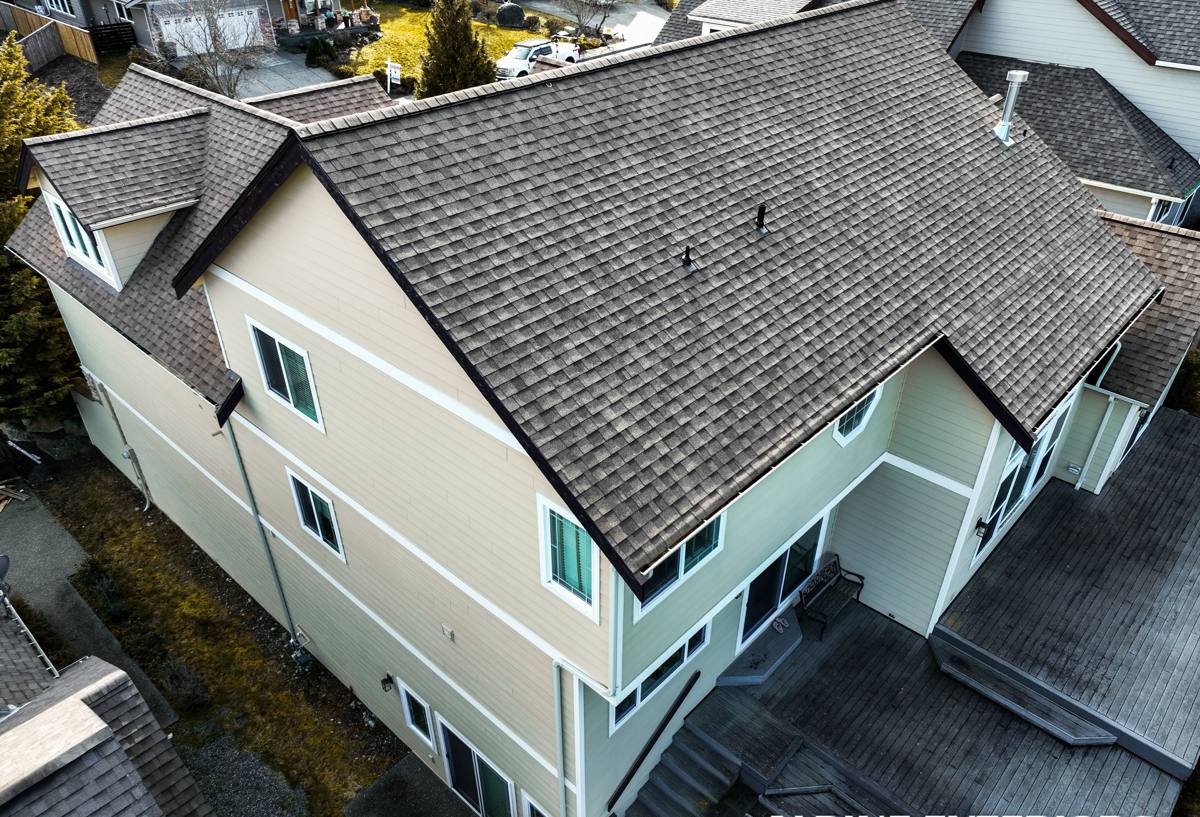
Why Ferndale Decks Fail Faster Than the Manual Says
Salt air and fastener corrosion
Standard deck screws and nails that hold up fine in a dry inland climate can corrode noticeably faster near the coast. Once a fastener starts rusting, it loses grip strength long before it looks obviously bad from the surface. We regularly find decks where the boards look serviceable but the screws underneath are chewed up and barely holding.
Driving rain and end-grain saturation
Whatcom County doesn't just get rain — it gets rain that comes in sideways often enough to matter. Water finds its way into the cut ends of boards, around post bases, and into any gap where two pieces of wood meet. End grain soaks up water many times faster than the face of a board, which is why deck boards often rot from the ends inward while the middle still looks fine.
Moss, algae, and trapped moisture
A long moss season means organic growth gets a real foothold on decks that don't get much direct sun — shaded corners, north-facing decks, areas under overhangs. Moss and algae aren't just cosmetic. They hold moisture against the wood surface for weeks at a time, which is exactly the condition that lets rot organisms take hold, and they make boards dangerously slick when wet.
What a Correct Deck Repair Actually Involves
A lot of deck "repairs" amount to replacing whatever board looks worst and calling it done. That approach misses the point — if a board rotted, something let water sit there, and that something is still there unless it's addressed. Our process starts with figuring out why a spot failed, not just patching the symptom.
- Probe suspect boards, ledger connections, and post bases with an awl or screwdriver to find soft wood, not just visible discoloration
- Check the ledger board attachment to the house — this is the single most safety-critical connection on most decks and the one most often under-fastened or flashed incorrectly
- Inspect joist hangers and structural fasteners for rust, especially on decks more than 8-10 years old
- Look underneath the deck, not just on top — rot often starts on the underside of boards or joists where airflow is poor
- Check railing posts for movement at the base, which usually means the attachment point has been compromised by moisture
- Evaluate drainage — standing water on or under a deck is the root cause behind most of the repairs we get called out for
Structural repairs vs. cosmetic repairs
It matters which category a given repair falls into, because it changes both the urgency and the fix. Cosmetic issues — surface graying, minor splintering, a loose board or two — can usually wait for a convenient time. Structural issues — a soft ledger connection, a post base with rot, joists that flex under weight — are safety issues and shouldn't sit on a to-do list through another wet season.
| Issue | Typical Cause in Ferndale | Repair Approach |
|---|---|---|
| Soft or spongy boards | End-grain water intrusion, poor drainage | Replace affected boards, correct the drainage path that let water sit |
| Rusted or failing fasteners | Salt air corrosion over time | Re-fasten with corrosion-resistant hardware rated for coastal exposure |
| Wobbly or loose railing | Moisture damage at post base connection | Open up the post base, replace rotted material, reinforce attachment |
| Green, slick surface | Moss and algae from shaded, damp conditions | Clean surface, address the shade/moisture cause, treat to slow regrowth |
| Ledger board separation | Under-flashed or under-fastened original install | Full ledger re-attachment with proper flashing — not a cosmetic fix |
| Sinking or leaning posts | Footing movement, ground moisture | Assess footing depth and condition, reset or replace as needed |
Our Process on a Ferndale Deck Repair
1. On-site inspection
We walk the whole deck, not just the spot you called about. A soft board near the stairs is often a symptom, not the whole story — we want to know if the same moisture problem is starting elsewhere before we quote the job.
2. Honest scope and pricing
Small repairs — a handful of boards, a rail section, a stair stringer — are usually a straightforward one-visit job. Larger structural work, especially anything touching the ledger board or footings, takes more time to do correctly and we'll walk you through exactly why. As a rough sense of range: spot board replacement is often a modest, contained cost, while ledger or structural post work runs higher because of the framing and code considerations involved. We'll give you real numbers for your deck, not a phone-quote guess.
3. Repair with materials suited to this climate
We use fasteners and hardware rated for exterior, moisture-heavy exposure rather than standard interior-grade hardware — the extra cost up front is small compared to redoing the work in a few years when standard screws corrode. Where wood is being replaced, we match it to hold up under the same rain and moisture load that damaged the original.
4. Address the cause, not just the symptom
If drainage, grading, or a missing flashing detail caused the original damage, we flag it and fix it as part of the repair. Replacing a rotted board without fixing what let water sit there just buys you a few more years before the same repair call.
Maintenance That Actually Extends Deck Life Here
Ferndale's climate rewards a little seasonal attention and punishes neglect. None of this is complicated, but it does need to happen on a schedule that fits the local weather pattern rather than a generic "once a year" rule.
- Clear leaves and debris from between boards before fall rains set in — trapped debris holds moisture against the wood
- Sweep or treat shaded, moss-prone areas before moss gets a real foothold, since removing established moss is harder than preventing it
- Check railing posts for movement each spring, when moisture damage from winter tends to show up
- Keep gutters and downspouts clear so runoff isn't dumping extra water directly onto or under the deck
- Reseal or re-stain on the manufacturer's recommended schedule for your specific decking material — coastal exposure can shorten that interval
Deck Material Considerations for This Area
We work on both wood and composite decks, and the right repair approach differs between them. Wood decks near the coast need more attentive maintenance but are usually more straightforward and less costly to repair board-by-board. Composite decking resists rot in the board itself, but the substructure underneath — joists, ledger, fasteners — is still typically wood or metal and faces the same moisture and corrosion pressures. A composite deck with a failing substructure can look fine on top while having real problems underneath, which is why we always inspect the frame, not just the walking surface, regardless of what the deck boards are made of.
Why a Local Crew Matters for This Job
Deck repair isn't a one-size-fits-all trade. A crew that mostly works dry-climate jobs may not think twice about fastener grade or end-grain sealing, because it doesn't matter as much where they usually work. We're based in Lynden and work Ferndale and the surrounding Whatcom County area regularly, so we're already calibrated to what this climate does to a deck over five, ten, fifteen years. That shows up in small decisions — which hardware we default to, how we handle ledger flashing, where we expect rot to be hiding — that add up to a repair that actually lasts through the next few wet seasons instead of needing a repeat visit.
Get a Straightforward Estimate
If your deck has a soft spot, a wobbly rail, or you just want an honest look at what shape it's in, we're happy to come take a look. There's no pressure and no obligation — just a clear read on what's going on and what it would take to fix it right. Use the form below to request your free estimate.