 Lynden Exterior
 Siding Built for Deming's Foothill Climate
Deming sits up the valley from Lynden, in the tree-covered foothills that lead toward Mount Baker along the Nooksack River corridor. It's a different microclimate than the open farmland closer to town — more shade, more standing moisture under the canopy, and a longer stretch of the year where wood surfaces simply don't get a chance to dry out. Add in the driving Pacific rain that moves through Whatcom County most of the fall and winter, and the salt-tinged marine air that pushes inland off the Strait and Bellingham Bay on windy days, and you've got a siding environment that punishes anything less than a correctly installed, moisture-resistant product.
We're a Lynden-based crew that already works this stretch of the valley. This page is about one job, done right, in one place: James Hardie fiber cement siding installed on Deming-area homes.
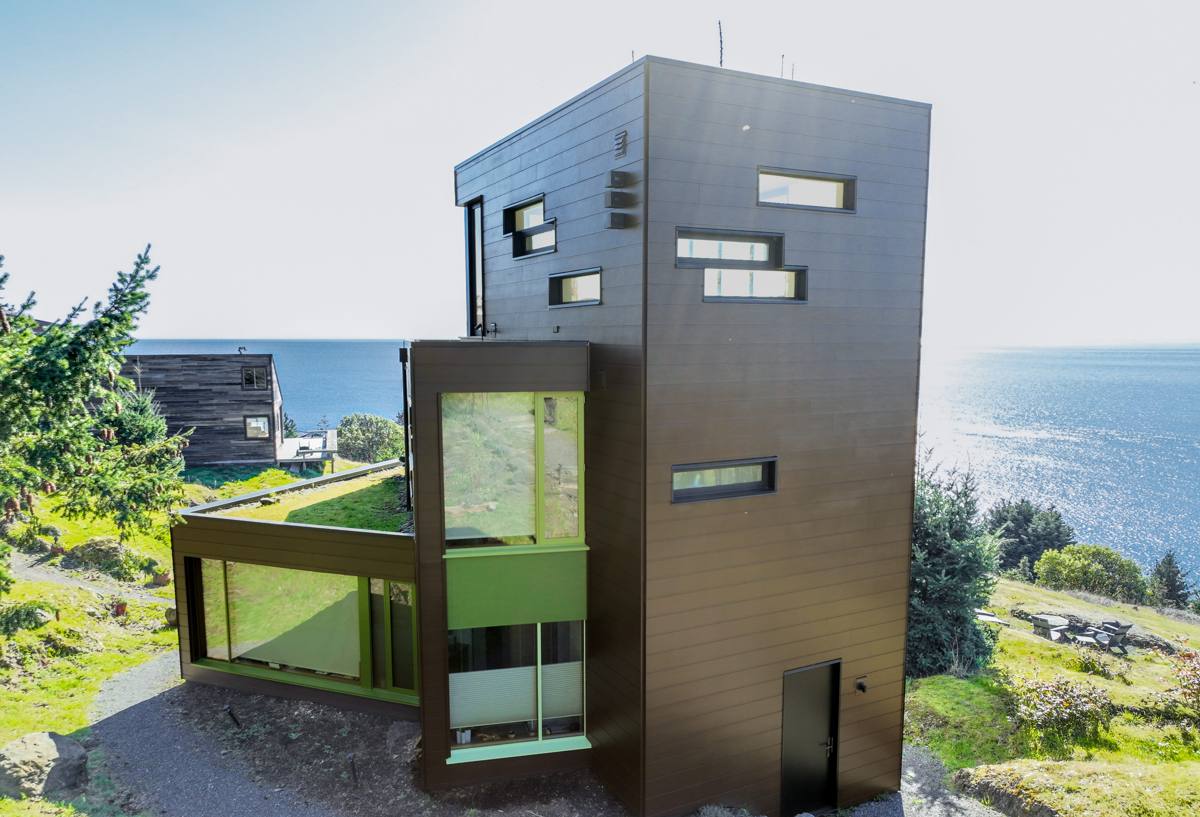
What the Local Climate Actually Does to Siding
Moss and Shade
Deming's tree cover is a blessing for shade and a curse for siding. Homes tucked under fir and cedar canopy stay damp longer after every rain, and north-facing walls in particular can hold moisture for days. Wood-based siding products — cedar, primed spruce, even engineered wood — depend on being able to dry between wet cycles. Under heavy shade, that drying window shrinks, and moss, algae, and mildew get a foothold on the surface and in any seams or cracks that weren't sealed properly.
Driving Rain and Wind-Driven Moisture
This isn't gentle drizzle. Whatcom County storms push rain sideways, and on exposed or elevated lots around Deming that wind-driven moisture gets forced up under laps, around trim, and into any gap in the water-resistive barrier. Siding that isn't installed with correct clearances and flashing details will eventually let water behind the cladding — and once that happens, the sheathing and framing pay the price, not just the paint.
Salt-Tinged Marine Air
Whatcom County as a whole sits close enough to the Strait of Georgia and Bellingham Bay that marine air reaches well inland on the right weather pattern. It's a smaller factor in Deming than it is right on the water, but it still contributes to the slow chemical breakdown of paint films and the corrosion of exposed fasteners over the years — one more reason factory-applied, baked-on finishes and corrosion-resistant fasteners matter more here than they would in a dry inland climate.
Why We Install James Hardie and Nothing Else
We install James Hardie fiber cement exclusively. We don't install vinyl, LP SmartSide, Cemplank, Allura, primed spruce, or cedar — not because those products have no merit, but because after years of working Whatcom County's wet, shaded, wind-exposed conditions, Hardie is the product we trust to hold up without turning into a recurring maintenance project for the homeowner.
Fiber cement is non-combustible and dimensionally stable — it doesn't swell, cup, or rot the way wood-based products can when they stay damp for extended stretches, which is exactly the condition Deming's shaded lots create for a good part of the year. James Hardie's ColorPlus factory finish is baked on and warrantied against peeling and cracking, which matters when the alternative is a field-applied paint job that has to fight moss growth and driving rain from day one. And Hardie's HZ5 product line is engineered specifically for climates like ours — freeze-thaw cycles, sustained moisture, and the kind of weather Western Washington throws at a house nine months a year.
What a Correct Fiber Cement Siding Job Actually Involves
Fiber cement is only as good as its installation. A rushed or undertrained crew can put Hardie board on a wall and still leave it vulnerable to the exact moisture problems the product is designed to resist. On every Deming job, the details we hold to include:
- Correct clearances — siding held above roof lines, decks, and grade per manufacturer spec, so water has somewhere to go instead of wicking up into the board
- Properly lapped and sealed water-resistive barrier and flashing at every window, door, and penetration before a single piece of siding goes up
- Factory-primed cut edges sealed in the field, since exposed cut ends are the single most common place fiber cement fails prematurely
- Corrosion-resistant fasteners driven to the manufacturer's exact depth and pattern — not just close enough
- Rain-screen or drainage gap detailing appropriate to the wall assembly, giving any moisture that does get behind the cladding a path to escape
- Manufacturer-specified caulking and joint treatment at butt joints and trim, not general-purpose sealant applied wherever it looks tidy
Skip any one of these and you can end up with a wall that looks right for a year or two before moisture finds the weak point — often behind the siding, where you can't see it until the damage is already done.
How This Plays Out on a Shaded Deming Lot
On heavily shaded lots, we pay extra attention to drainage detailing and to keeping the bottom starter course clear of soil, mulch, and landscaping buildup — a common issue on wooded properties where beds get built up against the foundation over time. We also flag any roof or gutter issues that are dumping extra water onto a wall before we ever touch the siding, since new siding installed over an unresolved drainage problem just delays the same failure.
Our Process, Start to Finish
- On-site assessment — we walk the exterior, check the existing siding and sheathing for hidden moisture damage, and look at drainage, grading, and roof lines that affect the new installation
- Scope and estimate — a written proposal covering the specific Hardie products, trim details, and any repair work the walls need before siding goes on
- Tear-off and sheathing check — old siding comes off and we inspect the sheathing underneath before closing anything back up
- Water-resistive barrier and flashing — installed and lapped correctly at every penetration, the step that determines whether the wall stays dry for the next several decades
- Hardie installation — siding, trim, and fascia installed to manufacturer spec, with sealed cut edges and correct fastening throughout
- Final walk-through — we review the finished work with the homeowner before calling the job done
Fiber Cement Compared to the Alternatives
Homeowners in Deming often ask why we won't quote vinyl or engineered wood alongside Hardie. Here's the honest comparison, based on how each product actually performs in this climate over time:
| Product | Moisture Performance in Shade/Rain | Finish Durability | Long-Term Maintenance |
|---|---|---|---|
| James Hardie Fiber Cement | Non-combustible, dimensionally stable, doesn't rot | Factory ColorPlus finish, warrantied against peeling/cracking | Occasional wash; repaint not required for many years |
| Vinyl Siding | Doesn't rot itself, but can trap moisture behind it and warp in temperature swings | Color can fade unevenly; can crack in cold snaps | Low upkeep, but panels can't be spot-repainted to match |
| LP SmartSide / Engineered Wood | Wood-based core is vulnerable if moisture reaches cut edges or seams | Factory-treated, but edge sealing is critical and easy to miss | Requires vigilant caulk and edge maintenance in wet climates |
| Cedar / Primed Spruce | Absorbs and releases moisture constantly; slow to dry under shade | Field-applied paint or stain, no factory warranty | Repainting and moss/mildew treatment on a recurring cycle |
What Affects Cost on a Deming Project
We don't publish fixed pricing because every wall and every existing condition is different, but these are the factors that actually move the number:
| Factor | Why It Matters |
|---|---|
| Hidden sheathing or framing damage | Shaded, damp walls sometimes have moisture damage under the old siding that has to be repaired before new siding goes on |
| Siding profile and trim complexity | Lap width, shake-style accents, and trim detailing all affect labor and material |
| House size and wall height | More square footage and multi-story sections mean more material, staging, and labor |
| Access and site conditions | Tree-lined lots, slopes, and tight setbacks can slow staging and material handling |
| Color and finish selection | Factory ColorPlus finishes vs. field-painted trim carry different material costs |
Keeping Hardie Siding Looking Right in a Shaded, Wet Climate
Correctly installed Hardie siding is low-maintenance, not no-maintenance. A short seasonal checklist keeps it performing the way it's supposed to:
- Rinse the siding annually, and more often on shaded north-facing walls where moss and mildew tend to build up first
- Keep gutters clear so overflow isn't running down the wall face during heavy storms
- Trim back vegetation and tree limbs that keep a wall section constantly damp or in contact with the siding
- Check caulking at trim and joints every year or two and have any cracked sealant redone before water gets behind it
- Watch the bottom starter course for soil, mulch, or debris buildup that traps moisture against the board
Why a Local Crew Matters for This Job
Siding installation isn't just a product — it's a set of judgment calls about flashing, drainage, and fastening that change based on the specific conditions of a wall. A crew that already works the Deming and Lynden area knows what shaded, tree-covered lots do to a wall over time, understands the wind and rain patterns that hit this part of Whatcom County, and isn't guessing at drainage detailing based on a manual written for a drier climate somewhere else. That local familiarity shows up in the details — where we pay extra attention, what we flag before it becomes a bigger repair, and how the finished siding actually performs through a full Pacific Northwest wet season.
If you're weighing a siding project on a Deming-area home, we're glad to take a look, walk the exterior with you, and give you a straight answer on what the job actually needs. Reach out for a free, no-pressure estimate using the form below.