 Lynden Exterior
 Window Replacement in Kendall: Built for What This Weather Actually Does
Kendall sits in the part of Whatcom County where weather doesn't just pass through — it sits, soaks, and lingers. Homes out here deal with long stretches of driving rain, damp air that moves in off the Salish Sea region and settles against the foothills, and a moss season that can run most of the year on anything shaded or north-facing. Windows take the brunt of that. They're the seams in your home's envelope, and if they're not sealed, flashed, and installed correctly, water finds its way in long before anyone notices a problem.
We've replaced windows in Kendall and the surrounding areas around Lynden long enough to know this isn't a climate that forgives shortcuts. A window that would hold up fine in a drier region can fail here within a few years if the flashing details are wrong or the wrong materials were used against constant moisture exposure. This page is about what window replacement actually requires for a Kendall home — not a generic rundown, but what matters when the job has to survive this specific weather.
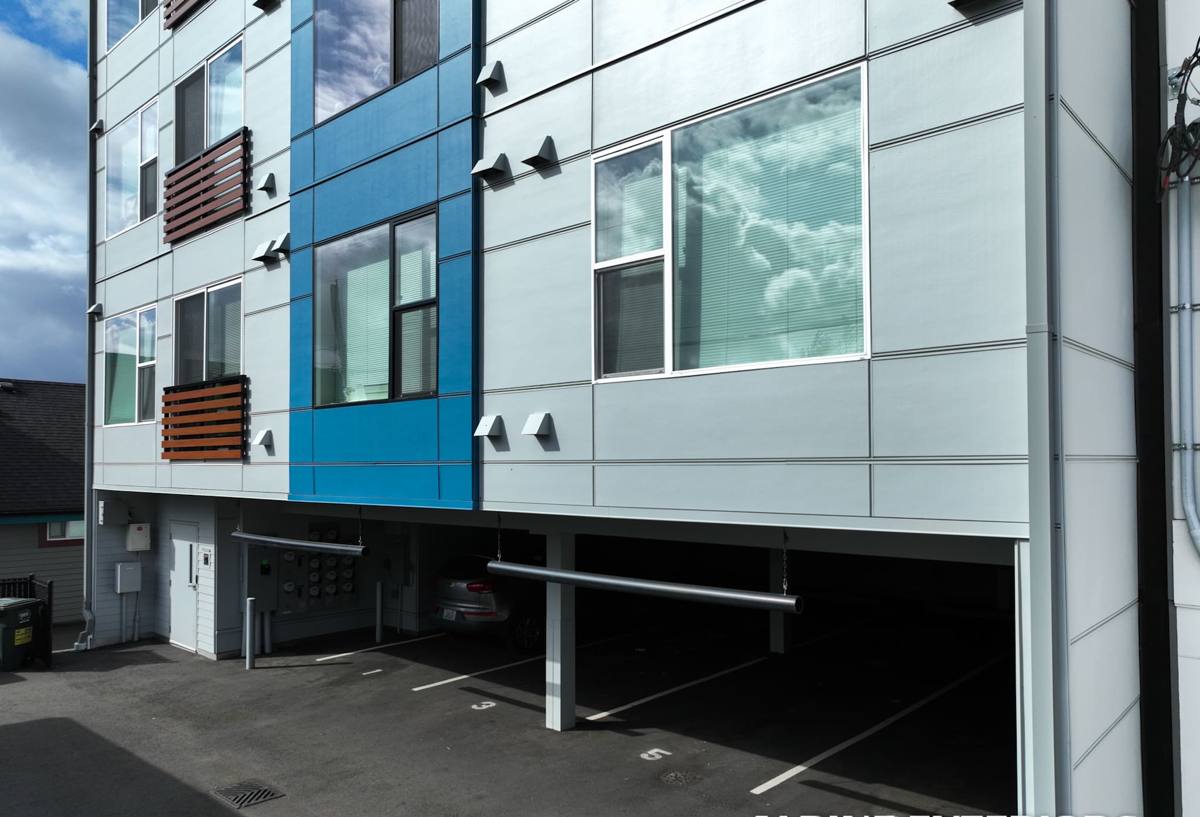
Signs Your Kendall Home Needs New Windows
Not every window problem means full replacement, but a few signs tell us the window itself — not just the caulking — has failed:
- Fogging or a permanent haze between panes, which means the seal on a double-pane unit has broken and the gas fill is gone
- Wood trim or sills that feel soft, spongy, or show dark staining, especially on north- or west-facing walls that catch the worst of the rain
- Visible moss or algae growth on the sill or frame that keeps coming back no matter how often it's cleaned
- Drafts you can feel even with the window fully latched
- Windows that are difficult to open, close, or lock — often a sign the frame has swelled or warped from moisture
- A noticeable jump in heating costs during Whatcom County's colder, wetter months
Any one of these is worth a look. Several together usually means the window and possibly the surrounding wall assembly have been absorbing moisture for a while, and replacement is the more honest fix than another round of caulk and paint.
What a Correct Window Replacement Job Actually Involves
Window replacement is often sold as a simple swap — old window out, new window in. Done right, especially in a wet climate like this one, it's more involved than that. The window itself is rarely the point of failure; the flashing and sealing details around it are.
Removal and Inspection
When we pull an old window, we're also checking the condition of the rough opening underneath — the framing, the sheathing, and any existing flashing or building wrap. This is the point where hidden water damage from a previous poor installation usually shows up. If there's rot or soft framing, that gets addressed before a new window ever goes in. Installing a new window into a compromised opening just hides the problem for another few years.
Flashing and Water Management
This is the part that matters most in Whatcom County. Every window opening needs a flashing sequence that sheds water downward and outward — sill pan flashing at the bottom, proper lapping with the building wrap at the sides and top, and head flashing that directs water away from the top of the frame. Done in the wrong order, or skipped to save time, and water gets channeled directly into the wall cavity instead of away from it. With the amount of driving rain this area gets, a flashing mistake doesn't take years to show up — it can take one bad storm season.
Sealing and Insulation
Once the window is set, level, and fastened, the gap between the window frame and the rough opening gets insulated and sealed — not just caulked on the outside. A window that's caulked well on the exterior but left with an air gap inside will still draft and can still let moisture accumulate inside the wall. Interior and exterior sealing both matter, and exterior sealant choice matters too, since it needs to hold up to constant damp and UV exposure without cracking.
Choosing the Right Window for Kendall's Conditions
There isn't one "best" window for every home — it depends on the wall assembly, the home's age, and the budget. But some material and glass choices hold up better than others against long-term moisture exposure and moss-prone conditions.
| Frame Material | How It Handles Local Moisture | Maintenance Reality |
|---|---|---|
| Vinyl | Doesn't rot or corrode; handles constant damp well | Low maintenance, occasional cleaning to prevent moss/algae buildup on sills |
| Fiberglass | Very stable in wet, temperature-swinging conditions; resists warping | Low maintenance, higher upfront cost |
| Wood (clad exterior) | Good insulator, but exposed wood is vulnerable if cladding or sealant fails | Requires more diligence — regular inspection of seals and any exposed wood |
| Aluminum | Durable but conducts cold and can condensate in damp climates | Low maintenance, but thermal performance is a trade-off here |
For glass, we generally recommend double-pane units with a low-E coating and argon fill as the practical standard for this climate — they cut heat loss and reduce interior condensation, which is a real issue in homes that see a lot of damp, cool air. Triple-pane is an option worth discussing for homes with especially exposed elevations, though it comes at a higher cost and isn't necessary for every wall.
Our Process From Estimate to Final Walkthrough
- On-site assessment — we look at each window individually, not just the house as a whole, since sun exposure and rain exposure vary wall to wall
- Honest recommendation — full replacement where needed, repair where that's genuinely sufficient
- Written estimate — clear on materials, scope, and timeline before any work starts
- Removal and opening inspection — checking framing and existing flashing before anything new goes in
- Installation — proper flashing sequence, air sealing, and insulation around every unit
- Final walkthrough — testing operation, checking seals, and confirming the finished work with you before we consider the job done
What Drives the Cost of Window Replacement
| Factor | Why It Affects Price |
|---|---|
| Number and size of windows | More or larger openings mean more material and labor |
| Frame material | Vinyl is typically the most budget-friendly; fiberglass and clad wood cost more upfront |
| Condition of the existing opening | Rot or framing repair adds labor before the new window can even go in |
| Glass package | Low-E coatings, argon fill, and triple-pane options each add cost but also improve performance |
| Access and elevation | Second-story or hard-to-reach windows take more time and equipment |
We don't quote a flat per-window price without seeing the job, because a straightforward main-floor swap and a second-story window with a compromised sill are two very different scopes of work.
Why a Crew That Already Works in Kendall Matters
A lot of window problems we get called out to fix didn't start as window problems — they started as installation shortcuts by a crew unfamiliar with how wet this region actually gets. Flashing sequences that work fine in a drier climate aren't sufficient here. A crew that regularly works in and around Lynden and Kendall has already seen how moisture behaves against these homes through a full wet season, not just on paper.
That experience shows up in the details — how flashing is lapped, what sealants hold up against months of damp, and where moss tends to establish itself and cause slow damage if sills aren't detailed to shed water properly. It's the difference between a window that's installed and a window that's installed to actually last through Whatcom County winters.
Keeping New Windows Performing Long-Term
A correctly installed window still benefits from basic upkeep, especially in a climate this wet:
- Clear debris and moss from sills and tracks a couple of times a year, especially on shaded or north-facing windows
- Check exterior caulking annually for cracking or separation, particularly after a hard winter
- Make sure gutters and downspouts near windows are directing water away, not letting it run down the wall face
- Operate each window a few times through the year so hardware doesn't seize up from disuse
- Watch for condensation between panes — it's the clearest sign a seal has failed
None of this replaces a correct installation, but it extends the life of one and helps catch small issues before they become bigger ones.
Ready for an Honest Look at Your Windows
If your Kendall home has windows that are drafty, fogged, hard to operate, or just old enough that you're wondering whether repair still makes sense, we're happy to take a look. We'll give you a straightforward assessment of what's actually needed — no pressure, no upsell — and a written estimate you can take your time with. Fill out the form below to schedule a free estimate.