 Lynden Exterior
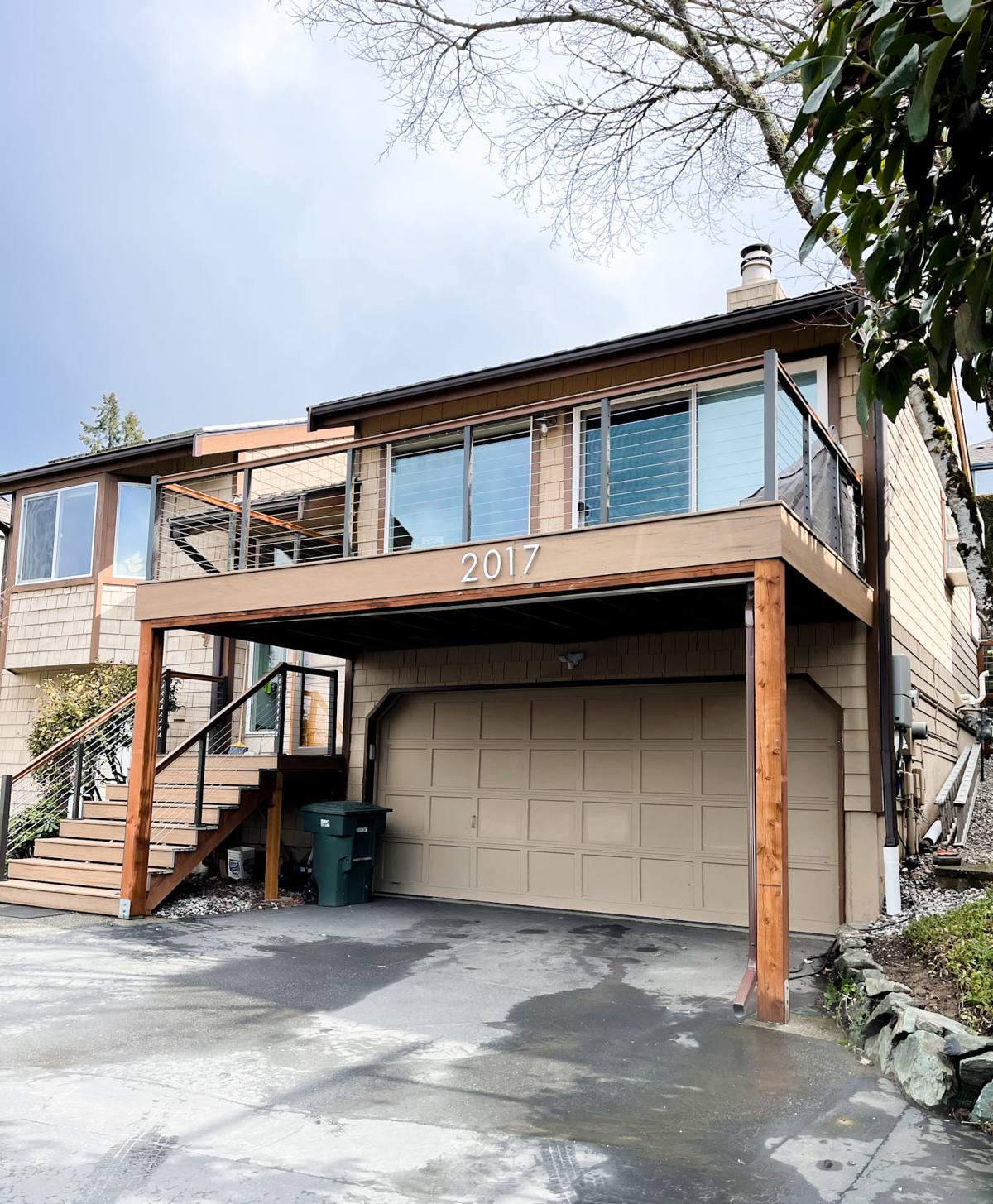
 Custom Decks Built for Laurel's Weather, Not Against It
Laurel sits in a part of Whatcom County where the weather doesn't do a homeowner any favors. Long stretches of driving rain, damp air moving in off the water, and a moss season that can run most of the year all put steady pressure on outdoor structures. A deck built with generic, one-size-fits-all methods might look fine the day it's finished and then start showing problems within a few seasons — soft spots near the house, black streaking on the boards, railings that feel loose, or a walking surface that stays slick long after the rain stops. A deck built specifically for this area is a different animal. It's designed around drainage, ventilation, and material choices that actually hold up here, not just materials that are popular somewhere drier.
This page is about one service, in one place: custom deck design and construction for homes in and around Laurel. We're not going to give you a generic rundown of "why decks are great." We're going to walk through what actually matters when you're building one that has to survive Whatcom County winters year after year.
What This Climate Actually Does to a Deck
It helps to understand the specific mechanisms at work, because they drive almost every decision in the build.
Salt-Tinged, Damp Air
Homes closer to the water pick up salt-laden moisture in the air, which speeds up corrosion on exposed metal — fasteners, brackets, railing hardware, and screws. Left unaddressed, that corrosion doesn't just look bad; it weakens connection points that the whole structure depends on.
Driving Rain
Rain here doesn't just fall straight down — wind-driven rain gets pushed sideways into ledger boards, under railings, and into any gap or seam that isn't properly flashed or sealed. Water that gets in and can't get back out is the single biggest cause of hidden rot in decks in this region.
Long Moss Season
Shade, moisture, and mild temperatures for much of the year create ideal conditions for moss and algae growth. On a poorly ventilated or poorly sloped deck, that growth doesn't just stain the surface — it holds moisture against the boards and turns a walking surface slippery and genuinely unsafe underfoot.
None of this means a deck can't be built to last in Laurel. It means the build has to account for these three things from the ground up, not as an afterthought.
Getting the Structure Right Underneath
The parts of a deck nobody sees are the parts that determine whether it lasts fifteen years or forty. This is where corners get cut on rushed jobs, and it's also where the climate does the most damage if it's done wrong.
Ledger Attachment and Flashing
Where the deck attaches to the house is the single most common failure point in this climate. Proper flashing — installed in the right order, lapped correctly, sealed at the right points — keeps water from tracking behind the siding and into the rim joist. This is not a place to save time.
Footings and Post Bases
Footings need to be sized and set below frost depth and set on soil that can actually bear the load through wet winters when the ground is saturated. Post bases should hold the post above the deck surface so wood never sits in standing water.
Joist Protection
Joist tape or a comparable moisture barrier over the top of each joist keeps fastener penetrations from becoming entry points for water. In a climate this wet, skipping this step shaves a little labor time off the job and takes years off the life of the frame.
Drainage Under the Deck
Low decks especially need a real plan for where water goes once it passes through the boards — grading, a drainage system, or both — so it doesn't just sit and soak the framing from below.
Choosing Decking Material for a Laurel Property
There's no single "best" decking material — there's a best material for a given budget, look, and maintenance appetite, weighed against how this specific climate treats it. Here's an honest comparison of the main options homeowners in this area choose between.
| Material | How It Handles This Climate | Maintenance Reality | Typical Lifespan Here |
|---|---|---|---|
| Pressure-treated lumber | Resists rot when properly sealed, but end grain and cut edges need ongoing attention | Annual cleaning and periodic re-sealing/staining | 10-20 years with upkeep |
| Cedar | Naturally moisture- and insect-resistant, but softer and shows wear from moss/algae faster if not maintained | Regular cleaning, periodic oil or stain | 15-25 years with upkeep |
| Composite decking | Doesn't rot, resists moss staining better than wood, but low-quality or older composite can absorb moisture at cut ends | Occasional washing, no staining or sealing | 25-30+ years |
| PVC/capped composite | Fully moisture-sealed, best resistance to the salt air and constant damp this area sees | Lowest maintenance of the group | 25-30+ years, often longer warranty |
We'll walk through these trade-offs honestly during design — including that composite and PVC cost more upfront but save on the maintenance side over the life of the deck, while wood costs less initially but asks more of the owner every year to keep it performing well in this climate.
Design Choices That Matter More Here Than in Drier Climates
Board Spacing and Layout
Slightly wider gapping and a layout that encourages airflow underneath helps boards dry out between rain events instead of staying damp, which is a major factor in how fast moss and algae take hold.
Railings and Hardware
Stainless or coated fasteners and hardware rated for exterior, coastal-adjacent exposure resist the corrosion that damp, salt-tinged air accelerates. This is a small cost difference at build time and a large difference in how the railings look and function a decade in.
Surface Texture
A grooved or textured board surface sheds water differently than a smooth face and can meaningfully cut down on how slick the deck gets during the wetter months — worth discussing if the deck sees a lot of foot traffic or shade.
Stairs and Grade Transitions
Stair treads deserve the same slip and drainage consideration as the main deck surface, arguably more, since stairs are where a slick surface is most dangerous.
Our Process for a Laurel Deck Project
- On-site walkthrough. We look at your home's exposure — how much sun and shade the deck area gets, how water moves across the yard, and where the ledger will attach — before talking materials or layout.
- Design and material selection. We go over the honest trade-offs between wood and composite/PVC options for your budget and how much upkeep you want to take on.
- Permitting. We handle the permit application and inspections required for the jurisdiction your Laurel property falls under, so the structure is documented and up to code.
- Foundation and framing. Footings, posts, ledger flashing, and joist protection go in first — this is the stage that determines long-term durability, and it's not one we rush.
- Decking, railings, and finish work. Boards, railings, stairs, and any fascia or trim get installed and finished to spec.
- Final walkthrough. We go over care and maintenance expectations specific to the material you chose before we consider the job done.
What Ownership Looks Like After We Leave
A well-built deck in this climate still needs some seasonal attention from the homeowner. Here's the realistic checklist we give Laurel clients:
- Sweep debris off the deck regularly, especially in fall, so leaves and needles don't trap moisture against the boards
- Clean moss and algae buildup with an appropriate cleaner before it gets slick or stains the surface
- Check railing hardware and fasteners once a year for early signs of corrosion
- Re-stain or re-seal wood decking on the schedule appropriate to the product used — don't wait until it looks obviously worn
- Keep gutters and downspouts near the deck clear so runoff isn't dumping extra water onto or under the structure
- Check underneath the deck periodically for standing water or drainage issues, especially after a hard winter
None of this is difficult, but skipping it is exactly how a well-built deck ends up with problems it was designed to avoid.
Why Local Experience in Laurel Actually Matters
A deck built by a crew that already works in and around Lynden isn't guessing at how this climate behaves — they've seen where moss builds up first, which ledger details fail in this rain pattern, and what soil conditions show up at footing depth in this part of Whatcom County. That local track record shows up in fewer callbacks and fewer surprises after the first hard winter, not in anything you can spot by looking at a finished deck on day one.
It also matters for the paperwork side of the job — knowing the permitting and inspection process for your specific jurisdiction near Lynden means fewer delays and no guesswork about what inspectors will want to see at each stage.
What Drives the Cost of a Custom Deck Here
Every deck is different, but the same handful of factors move the price up or down on nearly every project we build in this area.
| Cost Factor | Why It Matters |
|---|---|
| Decking material chosen | Pressure-treated lumber costs least upfront; PVC and premium composite cost more but need far less upkeep in this climate |
| Deck height and footing depth | Taller decks and deeper frost-depth footings require more structural work and material |
| Size and layout complexity | Multiple levels, curves, or built-in features add labor beyond a simple rectangular footprint |
| Railing style and hardware | Corrosion-resistant hardware and premium railing systems cost more but last longer against damp, salt-tinged air |
| Site access and grading | Difficult access or site prep needs (drainage, grading) can add time before construction even starts |
| Permitting requirements | Structural requirements specific to your jurisdiction can affect footing size, railing code, and inspection steps |
We'll walk through these specifics for your property so you know exactly what's driving the number on your estimate, not just a lump-sum figure.
Let's Talk About Your Deck
If you're planning a new deck or replacing one that's showing its age in Laurel, we're happy to come take a look and talk through what makes sense for your home and budget. There's no pressure and no obligation — just a straightforward assessment from a crew that already knows how decks hold up in this part of Whatcom County. Reach out using the form below for a free estimate.