 Lynden Exterior
 Siding Repair for Laurel-Area Homes Near Lynden
Laurel sits in the rural stretch between Lynden and Bellingham, and homes out here take a different kind of weather beating than a house downtown. You're closer to open farmland, exposed to wind moving unobstructed across the fields, and dealing with the same long, wet Whatcom County winters that make siding maintenance a fact of life rather than an occasional chore. When a homeowner in Laurel calls us about siding repair, we're usually looking at one of a handful of recurring problems: moisture that's worked its way behind a seam, wood trim that's gone soft, or panels that have taken a hit from wind-driven debris. This page walks through what siding repair actually involves in this area, what a correct repair looks like, and why it matters to hire a crew that already knows the conditions here rather than a general contractor working from a different climate zone.
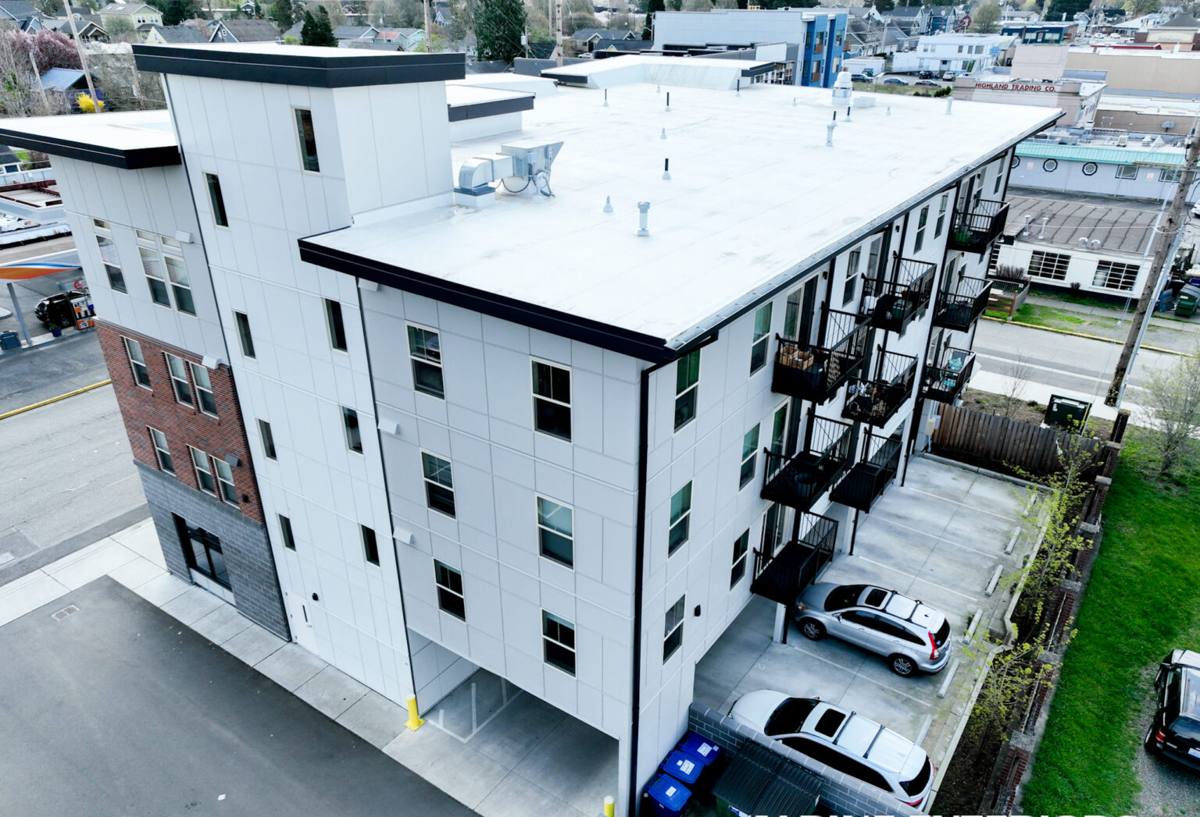
What Laurel's Climate Does to Siding
Whatcom County's exterior surfaces deal with three compounding stresses: salt-tinged marine air pushed in from the Strait of Georgia and Bellingham Bay, driving rain that comes in sideways during winter storms, and a moss and algae season that can run eight or nine months out of the year in shaded, north-facing areas. None of these are dramatic on their own, but they add up over the life of a home.
Salt air accelerates corrosion on fasteners and metal flashing. Driving rain doesn't just wet the surface of a wall — under enough wind pressure, it finds its way behind loose caulking, gapped trim, and lapped seams that weren't sealed correctly the first time. And moss doesn't just look bad; it holds moisture against the siding surface for weeks at a time, which is exactly the condition that causes rot in wood-based products and staining or substrate breakdown in lower-grade fiber cement.
Laurel's more open, rural exposure means wind loads on a wall can be higher than in a sheltered in-town lot, which is why we pay close attention to fastening patterns and panel edges when we're out repairing a home here — those are the first points of failure under sustained wind pressure.
Common Failure Points We See
- Butt joints and seams where caulking has dried out, cracked, or was never installed with the right gap and backer rod
- Bottom courses near grade, decks, or downspouts staying wet longer than the rest of the wall
- Trim boards and corner boards — especially wood ones — softening from years of trapped moisture
- Fastener corrosion causing streaking, loose panels, or panels that have started to bow
- Moss and algae buildup on north- and west-facing walls holding moisture against the surface
- Impact damage from wind-thrown branches or debris during winter storms
What an Honest Siding Repair Actually Involves
A lot of siding "repair" in this region is really just cosmetic patching — caulk over a gap, paint over a stain, call it done. That approach doesn't hold up here. Real repair work starts with figuring out why the damage happened in the first place, because if the underlying cause isn't addressed, the same failure comes back in a season or two.
Our process, step by step
- Inspection first. We walk the exterior and identify every area of concern, not just the spot the homeowner called about. Water damage rarely stays contained to one panel.
- Check behind the siding where needed. If we suspect moisture has gotten past the surface, we pull affected panels or trim to look at the water-resistive barrier and sheathing underneath. Repairing the visible siding without checking what's behind it is how small problems turn into expensive ones.
- Address the water path, not just the symptom. That might mean correcting flashing at a window head, re-grading a section of caulk joint, or fixing a drainage gap that got closed off during a previous repair.
- Replace damaged material with matching product. On Hardie siding, that means matching the plank profile, exposure, and ColorPlus finish so the repair doesn't stand out. On other siding types, matching is often where things go wrong — more on that below.
- Reseal and refasten to spec. Correct fastener spacing, corrosion-resistant fasteners, and proper caulk joints (not caulk used as a substitute for correct clearances) are what keep a repair from becoming a repeat visit.
- Final check for drainage and clearance. We confirm the bottom edge of the siding maintains proper clearance from grade, decks, and roof lines — a detail that's easy to lose track of after a repair.
Why Matching Material Matters More Than It Seems
One of the most common mistakes in siding repair is treating it purely as a patch job — find a piece that's close enough, nail it up, paint it, move on. That works for a season. It doesn't work long-term, for a few reasons.
Fiber cement, wood, and vinyl all expand, contract, and weather differently. Mixing a mismatched patch into an existing wall can create a new seam that traps water instead of shedding it. On painted wood or older LP-style products, a patch board that isn't from the same batch or coating run will often weather at a visibly different rate, leaving a permanent blotch. On factory-finished products like James Hardie's ColorPlus, matching the panel exposure and finish is what keeps a repair invisible instead of obvious.
This is part of why we standardized on installing James Hardie fiber cement rather than a mix of products. When we repair a Hardie home, we're working within one engineered system with a consistent factory finish, documented installation specs, and long-term product availability — which makes a correct, invisible repair realistic instead of a guessing game.
Repair vs. Replace: How We Make That Call
Not every siding problem needs a full re-side, and we're not going to tell a Laurel homeowner they need to replace a whole wall when a targeted repair will hold up. But we're also not going to patch over rot and call it fixed. Here's roughly how we think about it:
| Situation | Typical approach | Why |
|---|---|---|
| Isolated impact damage, sound siding elsewhere | Spot repair / panel replacement | Localized damage with no evidence of moisture spread |
| Failed caulking, minor gaps, early staining | Reseal, refasten, targeted board replacement | Catching moisture intrusion before it reaches the sheathing |
| Soft or rotted trim/corner boards, sound field panels | Trim and flashing repair, panels left in place | Trim is often the failure point, not the siding field |
| Widespread moisture damage behind multiple panels | Section or full re-side recommended | Patching over hidden rot just delays a larger repair |
| Aging wood, vinyl, or discontinued product with no match available | Discuss replacement with Hardie | Repairs on unmatched or discontinued siding rarely blend or perform well long-term |
Why a Local Crew Matters for a Community Like Laurel
Laurel isn't a big commercial strip — it's homes on larger lots, some agricultural exposure, and a mix of home ages and siding types. A crew that primarily works city jobs in Bellingham or further south doesn't always have a feel for how exposed rural walls behave differently, or how a property near open fields handles wind-driven rain compared to a sheltered in-town lot. We work this part of Whatcom County regularly, which means we're not guessing at drive time, we're not unfamiliar with well systems, septic layouts, or driveway access that can affect how we stage a repair, and we're not learning the local weather patterns on your dime.
It also means accountability. A repair crew that's around for the long haul in Lynden and the surrounding communities has a reason to do the work right the first time — we're not disappearing after the invoice clears.
Why We Only Install James Hardie Fiber Cement
When a repair reveals that a section of siding is beyond patching — rotted wood siding, degraded vinyl, or a fiber cement product that's no longer manufactured — we recommend James Hardie, and only James Hardie. We don't install LP SmartSide, vinyl, Cemplank, Allura, primed spruce, or cedar, and we think homeowners deserve to know why before they commit to a repair or replacement plan.
Wood siding, even well-maintained, is organic material in a climate that stays wet for most of the year — it's a constant maintenance commitment. Vinyl is low-maintenance but flexes and can crack in cold snaps, fades over time, and isn't repairable in the same forgiving way fiber cement is. Other fiber cement brands may perform reasonably, but we've standardized on one product line so that every repair we do — this year or ten years from now — has a real chance of matching what's already on the wall. James Hardie's HZ5 product line is engineered for climates like ours, the ColorPlus factory finish holds color far longer than field-applied paint, and the product is non-combustible, which matters more each fire season in the Pacific Northwest. That consistency is what makes long-term repair work possible instead of a losing battle against mismatched materials.
What to Watch For Between Now and Your Next Inspection
- Dark streaking or green growth on north- and west-facing walls, especially near tree cover
- Caulk lines that have cracked, pulled away, or gone chalky
- Any soft spot when you press on trim boards or the bottom edge of siding near grade
- Panels that look slightly bowed or have visible fastener heads working loose
- Paint or finish that's peeling in patches rather than fading evenly
- Water stains on interior walls near exterior corners, which often trace back to a siding gap
Catching these early is the difference between a straightforward repair and a section that needs to be opened up and rebuilt.
Get a Straight Answer on What Your Siding Needs
If you're in Laurel or anywhere around Lynden and you've got a section of siding that's stained, soft, cracked, or just aging poorly, we're happy to take a look and give you an honest read on whether it's a repair or something bigger. No pressure, no upsell — just a clear assessment from a crew that works this area and stands behind James Hardie siding. Reach out below for a free estimate.