 Lynden Exterior
 Deck Repair Built for Maple Falls Conditions
Maple Falls sits up against the foothills, under heavier tree cover and closer to the mountain weather than most of Whatcom County. That combination — more shade, more standing moisture, more debris on the deck surface — puts a different kind of wear on outdoor structures than you'd see on a deck out in the open sun. Add in the region's driving rain and a moss season that can run most of the year in shaded spots, and it's no surprise that decks out here often need attention sooner, and in different places, than a textbook maintenance schedule would suggest.
A lot of deck "repair" work we see elsewhere is really just cosmetic — a board swap, a coat of stain, done. Out here, that approach usually doesn't hold. If the moisture problem underneath isn't addressed, the same boards fail again in a season or two. We look at a Maple Falls deck as a system: framing, fasteners, flashing, and surface, in that order of importance.
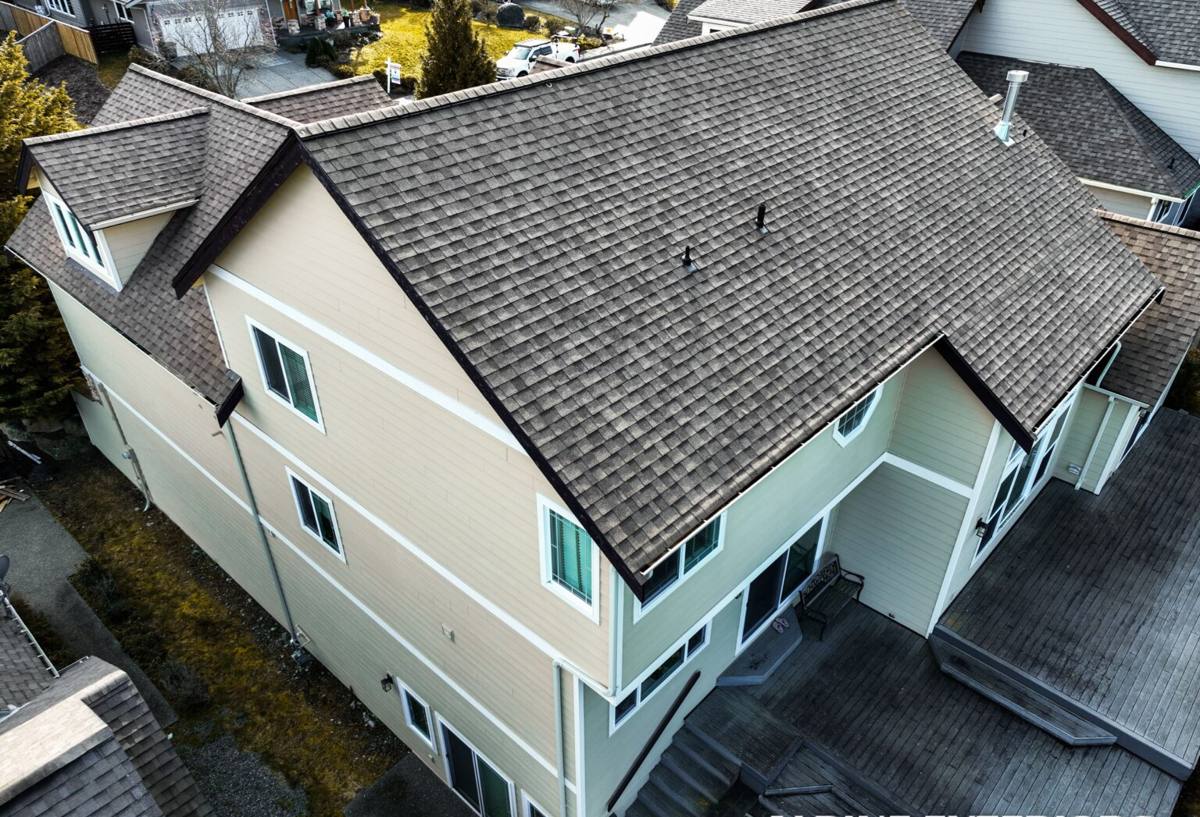
Signs a Maple Falls Deck Needs Repair
Some of these show up fast in a shaded, wet environment. Others take longer and get missed because the surface still looks okay from a distance.
- Soft or spongy spots underfoot, especially near the house or along the edges
- Green or black staining that keeps coming back within weeks of cleaning
- Nail heads popping up, or screws that spin without biting
- Gaps opening between boards, or boards that have cupped (curled at the edges)
- Rust streaks running down from fasteners or metal hardware
- A railing or stair stringer that flexes more than it used to
- Water pooling on the surface instead of draining off after a storm
None of these automatically mean a full rebuild. But each one is worth having looked at before it spreads into the framing underneath, which is where a small repair turns into a much bigger one.
What a Correct Deck Repair Actually Involves
Start Underneath, Not on Top
The boards you walk on are the last thing we look at, not the first. A repair that only addresses the surface — new decking screwed over tired joists — is a cosmetic fix, not a structural one. We check the ledger board (where the deck attaches to the house), the joists, the posts, and the footings before we touch the decking itself. In a shaded, high-moisture spot, the ledger connection is usually the first thing to show rot, because it's the hardest area to keep dry and the one place a failure actually matters for safety.
Fasteners and Flashing
Original construction on a lot of older decks in this area used fasteners and flashing that weren't rated for constant damp exposure. Once a deck has had a few years of driving rain and shade, it's common to find corroded nails, missing or under-sized flashing at the ledger, and no drainage path for water that gets underneath the decking. Repairing the visible damage without correcting these details just resets the clock on the same failure.
Surface Repair Done Right
When we do replace decking boards, we match spacing and fastening to allow airflow underneath — tight, moisture-trapping board spacing is one of the most common causes of premature rot we find on repair calls in shaded lots. We also address the cause of any moss or algae staining, not just the stain itself, since a clean-but-still-shaded, still-poorly-drained deck will just grow moss back within a season.
Where We Find the Most Damage on Maple Falls Decks
The pattern is fairly consistent once you've worked enough decks in this kind of setting:
- Ledger board and house connection — the least visible, most safety-critical area, and the one most affected by moisture that never fully dries between rains
- North- and east-facing decks, or decks under mature trees — these get the least sun exposure and the longest moss season
- Stair stringers and railing posts — high-stress connections that show flex or rot before the main deck surface does
- Areas under planters, furniture, or grills — anywhere airflow and drying are blocked
- Board ends and butt joints — end grain absorbs water fastest and is usually the first place decking fails
Repair or Replace? What Actually Drives the Decision
Homeowners usually want a straight answer on this, and it comes down to whether the damage has reached the framing or stayed in the surface material.
| Factor | Usually Repairable | Usually Needs Replacement |
|---|---|---|
| Framing / joists | Solid, no soft spots when probed | Soft, spongy, or visibly rotted |
| Ledger connection | Flashing intact, wood sound | Rot at the house connection |
| Decking boards | Isolated boards affected | Widespread cupping, splitting, or rot |
| Fasteners | A few loose or corroded | Corrosion throughout, hardware failing |
| Age of structure | Under 15-20 years, maintained | Older, deferred maintenance, multiple repairs already |
| Railings / stairs | Solid connections, minor wear | Noticeable flex or movement |
Most decks we're called out to in Maple Falls fall somewhere in the middle — sound framing with isolated problem areas caused by shade and moisture exposure rather than age alone. That's genuinely good news, since it usually means a targeted repair rather than a rebuild.
Our Deck Repair Process
- On-site assessment. We walk the deck, probe suspect areas, and check the ledger, framing, and fasteners — not just the visible surface.
- Honest scope, written up plainly. We tell you what's structural, what's cosmetic, and what can reasonably wait.
- Repair the cause, not just the symptom. That means correcting drainage, flashing, or fastener issues at the same time as the visible damage, so the same spot doesn't fail again next season.
- Match materials to the location. Shaded, damp areas get different fastener and board choices than sun-exposed sections of the same deck.
- Clean handoff. We walk the finished repair with you and point out anything worth watching or maintaining going forward.
Materials: What We Use and Why
For repair work specifically — as opposed to a full rebuild — matching the existing material usually makes more sense than switching systems partway through a deck's life.
Wood Decking
Pressure-treated lumber and cedar both hold up fine in this climate when properly maintained, but "properly maintained" is doing real work in that sentence — regular cleaning and resealing matter more here than in a drier, sunnier location. When we repair wood decking, we use fasteners and hardware rated for constant damp exposure, since standard hardware corrodes faster under heavy shade and driving rain.
Composite Decking
Composite handles moisture and moss growth better than wood in shaded spots, which is a real advantage in a setting like this. The trade-off is that composite repairs are less forgiving — boards can't be trimmed and reworked the way wood can, and matching an older composite product's color and profile isn't always possible if the manufacturer has changed its lineup. We'll tell you plainly if a composite repair is a good patch or if it's better to replace a full run of boards for a consistent result.
Fasteners and Flashing
We use corrosion-resistant fasteners and proper self-adhering flashing at ledger and structural connections as standard practice, not an upgrade — in a climate with this much sustained moisture, cutting corners here is the single most common cause of repeat repair calls we see.
Maintenance Checklist to Extend a Repair
A repair holds up a lot longer with a little seasonal attention, especially in a shaded, high-moisture setting:
- Sweep leaves, needles, and debris off the deck regularly, especially in fall
- Keep gutters and downspouts clear so runoff isn't landing directly on or under the deck
- Clean moss and algae growth before it gets thick, rather than after
- Check and re-tighten loose fasteners once a year
- Reseal or restain wood decking on the manufacturer's recommended schedule, not just when it looks faded
- Move planters, mats, and furniture periodically so trapped moisture doesn't sit in one spot
- Have the ledger and framing looked at every few years, even if the surface looks fine
Why a Local Crew Makes a Real Difference
A contractor who works Whatcom County regularly, and Maple Falls specifically, has already seen how shade, tree cover, and this region's rain pattern actually behave on a deck over time — not in a manual, but on real jobs. That matters when it comes to knowing which areas of a deck tend to fail first, which materials hold up and which don't in a shaded lot, and how much drainage and airflow a repair actually needs to last. It also means a crew that's around after the job is done, not a one-time visit from out of the area.
We're a Lynden-based crew, and Maple Falls is part of our regular service area, not an occasional stop. That gives us a good, current sense of what's holding up out here and what isn't.
Get a Straight Answer on Your Deck
If you're not sure whether your deck needs a repair, a partial rebuild, or nothing at all right now, that's exactly what an on-site look is for. We'll give you a plain, no-pressure assessment and a written estimate — use the form below to get started.