 Lynden Exterior
 Siding Replacement Built for Maple Falls Conditions
Maple Falls sits in a part of Whatcom County where siding takes a beating from more than one direction at once. Driving rain comes in sideways during winter storms, salt-laden air moves through from the coast, and shaded, tree-covered lots hold moisture long after a storm has passed. That combination is exactly what wears out siding early — not one dramatic event, but years of steady moisture exposure that most homeowners never see happening behind the wall.
A siding replacement in this area isn't just a cosmetic upgrade. Done right, it's a chance to correct whatever let water in the first place, put a product on the house that's actually engineered for this climate, and stop the annual cycle of pressure-washing moss off walls that shouldn't be growing it in the first place. Done wrong — with the wrong product or a rushed install — you're just buying a few more years before the same problems come back.
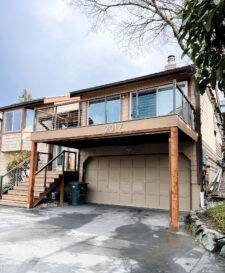
Signs Your Siding Has Reached the End of Its Useful Life
Most homeowners call us after they've noticed one or two of the obvious problems, but by the time siding shows visible damage, moisture has usually been getting behind it for a while. Here's what we look for during an inspection, and what you can check yourself first:
- Soft or spongy spots when you press on the siding, especially near the bottom courses and around window trim
- Persistent moss or algae growth that returns within a season or two of cleaning
- Paint that's peeling, bubbling, or failing faster than it should between repaints
- Visible warping, cupping, or gaps between boards or panels
- Rising utility bills that suggest the wall assembly is no longer doing its job
- Musty smells in interior rooms along exterior walls, particularly after heavy rain
Any one of these on its own might just mean a repair. Several at once, or damage that keeps recurring in the same spot, usually means the siding and the water-resistive barrier behind it have both been compromised and a full replacement is the more honest answer.
Why the Product You Choose Matters as Much as the Installer
We get asked fairly often why we only install James Hardie fiber cement siding — not vinyl, not LP SmartSide, not primed wood products, not other cement board brands. The short answer is that in a climate like Whatcom County's, with sustained damp weather and long moss seasons, the material itself determines how much maintenance a homeowner is signing up for over the next twenty or thirty years, and installation skill can only compensate for so much of a product's inherent limitations.
Fiber cement doesn't feed mold and moss growth the way wood-based products can, it doesn't soften or swell when it stays wet for extended periods, and it's non-combustible — a real consideration as wildfire smoke and fire risk have become a bigger part of the conversation in Western Washington in recent years. James Hardie's ColorPlus factory finish also means the color is baked on and warranted, rather than depending on a field-applied paint job holding up against years of driving rain.
We're not going to tell you other products are junk — vinyl and engineered wood sidings both have legitimate uses and plenty of homes wearing them without issue. But we've made a professional decision to standardize on one product system we can stand behind fully, install to spec every time, and warranty with confidence, rather than stocking multiple product lines and hoping each one performs.
What a Correct Siding Replacement Actually Involves
Tear-Off and Wall Inspection
We don't just strip old siding and nail up new panels over whatever is underneath. Full removal lets us inspect the sheathing, framing, and existing water-resistive barrier for rot, soft spots, or prior water damage — problems that are common on homes that have been fighting Whatcom County moisture for a decade or more without anyone looking behind the walls.
Water-Resistive Barrier and Flashing
This is the layer that actually keeps a house dry, and it matters more than the siding itself. We install a continuous water-resistive barrier and properly integrated flashing at every window, door, and penetration — sequenced so that each layer sheds water down and out, not into the wall cavity. Given how much wind-driven rain this area sees, corners cut here are the single biggest cause of siding failures we're called out to fix.
Fastening and Clearances
James Hardie siding has specific fastening patterns, nail types, and minimum clearances from grade, roofing, and decking — all specified for a reason, not a suggestion. Proper clearance keeps splashback and standing moisture away from the bottom edge of the siding, which is the first place failure shows up on homes near tree cover or shaded slopes.
Finish and Detail Work
Trim, caulking at transitions, and touch-up of factory-finished panels are what make a job look finished rather than just functional. We use manufacturer-approved sealants and touch-up products so the ColorPlus finish and warranty stay intact.
How Our Process Works, Start to Finish
- On-site estimate: We walk the exterior with you, check current siding and any problem areas you've noticed, and give you a straightforward assessment — no pressure, no inflated scope.
- Detailed proposal: You get a clear scope of work, product and color selections, and a firm price before anything is scheduled.
- Tear-off and inspection: Old siding comes off, and we document any sheathing or framing issues we find before covering them back up.
- Water management install: Barrier and flashing go in first, and we don't move to siding until that layer is right.
- Hardie siding installation: Panels or lap siding go up to manufacturer fastening spec, with trim and detail work completed alongside.
- Final walkthrough: We go over the finished job with you directly and handle any punch-list items before we consider it done.
James Hardie Compared to Other Siding Options
| Factor | James Hardie Fiber Cement | Vinyl | Engineered Wood (LP-type) |
|---|---|---|---|
| Moisture resistance in wet climates | Strong — won't swell or rot | Water-resistant, but seams and expansion gaps can trap moisture | Vulnerable if the factory coating is breached |
| Moss and algae resistance | Low organic growth surface | Can host growth in damp, shaded areas | More susceptible due to wood-based core |
| Fire resistance | Non-combustible | Melts/deforms under heat | Combustible |
| Finish durability | Factory ColorPlus, warranted | Color molded in, can fade | Field or factory paint, needs upkeep |
| Typical warranty | Long-term, transferable | Varies by manufacturer | Varies, often shorter on finish |
What Drives the Cost of a Siding Replacement
Every home is different, and we don't publish blanket pricing because square footage alone doesn't tell the whole story. The factors below are what actually move the number up or down:
| Cost Factor | Why It Matters |
|---|---|
| House size and wall complexity | More corners, dormers, and trim detail mean more labor and material cuts |
| Condition of existing sheathing | Rot or water damage found during tear-off adds repair scope |
| Siding profile and color selection | Lap, panel, and shingle profiles vary in material and labor cost |
| Access and site conditions | Slopes, tree cover, and tight lot access affect equipment and scaffolding needs |
| Existing trim and flashing scope | Full trim replacement adds cost but improves long-term performance |
We walk through all of this during the estimate so there are no surprises once work starts — and if we find something once tear-off begins, we tell you before we proceed, not after.
Why It Matters to Hire a Crew That Already Works This Area
Maple Falls and the surrounding Lynden area have their own microclimate quirks — heavier shading on wooded lots, specific wind exposure patterns, and moss growth that's more aggressive than you'll see on a drier property closer to town. A crew that's worked these conditions repeatedly knows where water tends to collect on a house like yours, which details fail first, and how to sequence a job around Whatcom County's weather windows so materials aren't installed wet or rushed ahead of a storm.
That local familiarity also shows up in smaller ways: knowing which permitting requirements apply, understanding typical lot setbacks and access constraints in the area, and being available for a warranty check or follow-up without a long drive. Siding is a long-term investment in the house — it's worth having someone who plans to still be working in this county in ten years standing behind the install.
Caring for James Hardie Siding After Installation
One advantage of switching to fiber cement is how little upkeep it actually needs compared to what most Whatcom County homeowners are used to. That said, a little routine attention keeps it performing at its best:
- Rinse the exterior with a garden hose once or twice a year to clear pollen, dust, and early moss spores
- Keep gutters clear so overflow doesn't run down the siding face repeatedly
- Trim back shrubs and tree limbs to maintain airflow and sunlight along shaded wall sections
- Inspect caulking at trim joints and penetrations every year or two and have gaps resealed promptly
- Address any impact damage quickly — fiber cement resists most damage well, but a cracked panel should still be replaced rather than left exposed
None of this requires the yearly pressure-washing and repainting routine that a lot of older siding in this area has demanded — which, over the life of the siding, is a meaningful part of the value.
Get a Straightforward Estimate
If your Maple Falls home is showing signs of siding wear, or you're just planning ahead before the next wet season, we're happy to take a look and give you an honest read on where things stand. Use the form below to request a free, no-pressure estimate — we'll walk the exterior with you and tell you exactly what we'd recommend and why.