 Lynden Exterior
 Windows Built for the Acme Area's Weather, Not Just the Showroom
If you own a home in the Acme area near Lynden, you already know your windows work harder than windows in drier parts of the country. Whatcom County sits under a steady flow of marine air off the Salish Sea, and that means driving rain, persistent damp, and a moss season that can stretch for months. Windows here don't just need to look good and keep the heat in — they need to shed water fast, resist wind-driven rain intrusion, and hold up against wood rot and seal failure caused by prolonged moisture exposure. A window that performs fine in Spokane or Yakima can fail early out here if it wasn't installed with local conditions in mind.
Energy efficiency and weather resistance are really the same conversation in this climate. A window that leaks air also tends to be a window that's vulnerable to moisture intrusion around the frame, and a poorly flashed installation will waste energy long before the glass itself becomes the problem. When we talk about "energy-efficient windows" for Acme-area homes, we're talking about the whole assembly — frame material, glazing package, and installation detail — working together against a wet, salt-tinged, low-sun climate for years at a stretch.
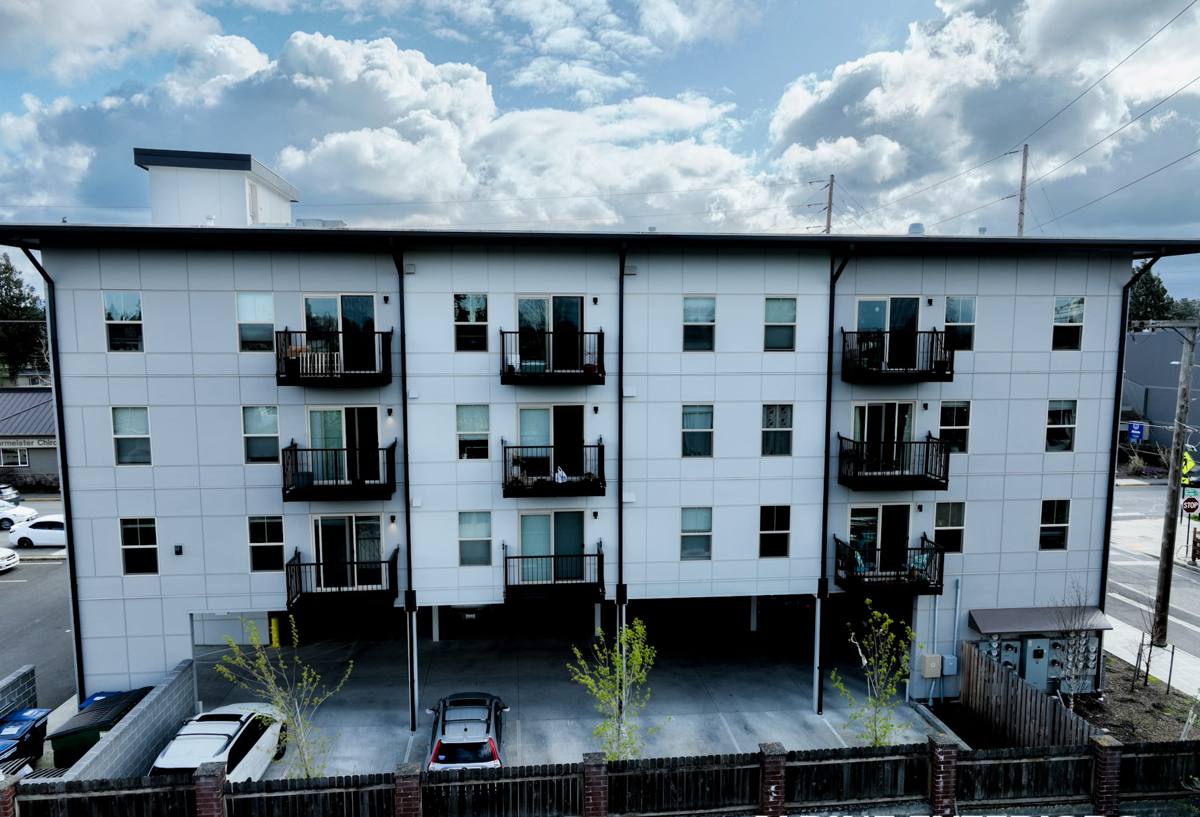
What Local Homes Are Up Against
Driving Rain and Wind-Driven Moisture
Storms coming off the water don't just drop rain straight down — wind pushes it sideways into window frames, sills, and trim. Older single-pane or early double-pane windows, especially those installed without modern flashing details, are prone to slow water intrusion that you may not notice until there's staining, soft trim, or a musty smell in the wall cavity below the window.
Moss and Organic Growth
The same damp, shaded conditions that grow moss on roofs and siding will grow it in window tracks, on sills, and in any spot where water sits instead of draining. Moss and algae hold moisture against wood and vinyl surfaces, which accelerates rot in wood-clad frames and can stain vinyl and fiberglass over time. Window products and installations that don't account for proper drainage give moss a foothold it wouldn't get otherwise.
Salt Air and Corrosion
Being close enough to the Salish Sea to catch salt-laden air means metal hardware — hinges, locks, balance systems — is more prone to corrosion than it would be further inland. Cheap or poorly finished hardware can start showing pitting and stiffness years before it should, which is one of the reasons hardware quality matters as much as glass quality when you're choosing a window for this area.
Temperature Swings and Condensation
Whatcom County winters are mild but persistently damp, and that combination is exactly what drives interior condensation on poorly insulated glass. Condensation isn't just an annoyance — chronic moisture on interior glass and sills can lead to mold growth on frames and nearby drywall if it's not addressed with proper glazing and ventilation.
What "Correct" Actually Looks Like
A proper energy-efficient window job in this climate comes down to three things working together: the right glazing package, a frame material suited to sustained damp exposure, and installation detail that manages water before it ever reaches the wall assembly.
Glazing
Dual-pane, argon-filled units with a low-E coating are the practical baseline for this climate — they cut heat loss, reduce condensation risk on the interior pane, and help control summer heat gain on south- and west-facing walls. Triple-pane glass is worth discussing for north-facing rooms or homes with especially high heating bills, but it's not automatically the right call for every wall — we'll walk through where it actually pays off in your specific home.
Frame Material
Vinyl, fiberglass, and clad-wood frames each handle sustained moisture differently. We'll talk through the honest trade-offs — maintenance burden, expected lifespan in a wet climate, and appearance — for your home rather than pushing one material as a universal answer. The wrong frame choice for a heavily shaded, moss-prone elevation can mean more maintenance than a homeowner signed up for.
Installation and Flashing
This is where most window failures in our region actually start — not in the glass, but around it. Proper installation means correct flashing integration with the existing wall assembly, sloped sills that shed water outward instead of pooling it, sealed and backed nailing fins, and weep paths that stay clear so any incidental water that does get in can get back out. A beautiful window installed without these details will still leak, rot the framing around it, and lose efficiency within a few seasons.
How Our Process Works
- On-site assessment. We look at each window opening individually — sun exposure, wind exposure, existing water damage, and how the current flashing was (or wasn't) done.
- Honest product recommendation. We'll walk you through glazing and frame options suited to that specific opening, with real trade-offs explained, not a one-size-fits-all pitch.
- Proper removal and inspection. When we pull the old window, we check the framing underneath for rot, moisture staining, or prior water intrusion before anything new goes in.
- Correct flashing and installation. Sill pans, flashing tape integration, shims, and sealant are done to manage water, not just to hold the window in place.
- Final check and cleanup. Operation, seal, and weep paths are checked before we consider the job done.
Why a Crew That Already Works Acme Matters
Window installation isn't just a product decision — it's a detail-sensitive trade that depends heavily on matching the work to the conditions the window will actually face. A crew that regularly works homes in and around Lynden already understands what driving rain off the water does to a poorly flashed sill, what a moss-shaded north wall does to frame longevity, and which hardware finishes actually hold up against salt air over time. That's knowledge you build by doing the work here repeatedly, not by reading a spec sheet. It also means we're not guessing at appropriate glazing packages for our winters or improvising flashing details on the fly — this is the climate we install in every week.
Cost Factors to Understand Before You Compare Quotes
Window pricing varies widely, and the lowest number on a quote isn't always the lowest cost over time. Here's what actually drives the price, and why it matters for a home in this climate:
| Factor | Why It Affects Cost | Why It Matters Here |
|---|---|---|
| Frame material | Vinyl is typically the most affordable; fiberglass and clad-wood cost more upfront | Material choice affects long-term maintenance in a persistently damp climate |
| Glazing package | Dual-pane low-E is standard; triple-pane and specialty coatings add cost | Better glazing reduces condensation risk on shaded, north-facing rooms |
| Number and size of openings | More openings and larger custom sizes increase labor and material cost | N/A — straightforward scope driver |
| Existing wall condition | Rot or prior water damage found during removal adds repair scope | More common on older homes with a history of unflashed or poorly flashed windows |
| Installation detail | Proper flashing, sill pans, and sealant work take more time than a quick swap | This is the step that actually determines whether the window performs long-term in wind-driven rain |
Be cautious of any quote that seems unusually low without explaining how flashing and water management will be handled — in this climate, that's often the corner that gets cut.
Signs Your Current Windows Are Losing the Battle
- Visible fogging or moisture between panes of double-glazed units (a failed seal)
- Persistent condensation on the interior glass during cooler months
- Soft, discolored, or spongy trim and sills around the window
- Drafts you can feel near the frame even when the window is fully latched
- Moss, algae, or dark staining building up on sills or in tracks
- Difficulty opening, closing, or locking due to stiff or corroded hardware
- Noticeably higher heating bills compared to similarly sized homes nearby
Any one of these on its own isn't necessarily urgent, but a few showing up together usually points to a window and frame system that's no longer keeping water and air out the way it should.
Maintenance That Extends the Life of New Windows
Even a correctly installed window benefits from basic upkeep in this climate. Clear debris and moss out of tracks and weep holes a couple of times a year, especially after fall leaf-drop and through the wet winter months. Check that exterior caulking around the frame stays intact and re-seal it if it starts to crack or pull away. Wipe down hardware periodically, particularly on windows facing prevailing wind and salt air, to keep corrosion from getting a head start. None of this is complicated, but skipping it is exactly how a well-installed window ends up with preventable problems a few years down the road.
Get a Straight Answer for Your Home
Every home in the Acme area faces this climate a little differently depending on exposure, shading, and the age of the existing windows. We're happy to come take a look, walk you through what we're actually seeing at your openings, and give you an honest recommendation — no pressure, no upsell. Use the form below to request a free estimate.