 Lynden Exterior
 Windows in Acme Take a Different Kind of Beating
Acme sits at the edge of the valley where the flat farmland gives way to the foothills east of Lynden, and that location matters more than most homeowners realize when it comes to windows. You get the same marine influence that the rest of Whatcom County deals with — damp air, long stretches of overcast weather, and salt-tinged moisture carried in off the Sound — combined with the wind funneling and heavier rain exposure that comes with being closer to the higher ground. Add in the region's long moss season, when shaded, north-facing walls and eaves stay wet for months at a time, and you have a set of conditions that will find every weak point in a window's flashing, sealant, or frame material.
A window that's a perfectly good product on paper can still fail in a house like this if it isn't installed with this specific climate in mind. That's the distinction we focus on for Acme homes: not just which window brand to buy, but how it goes in, how water is directed away from the wall assembly, and how the whole opening is sealed against the kind of driving, sideways rain that's normal here for months at a time.
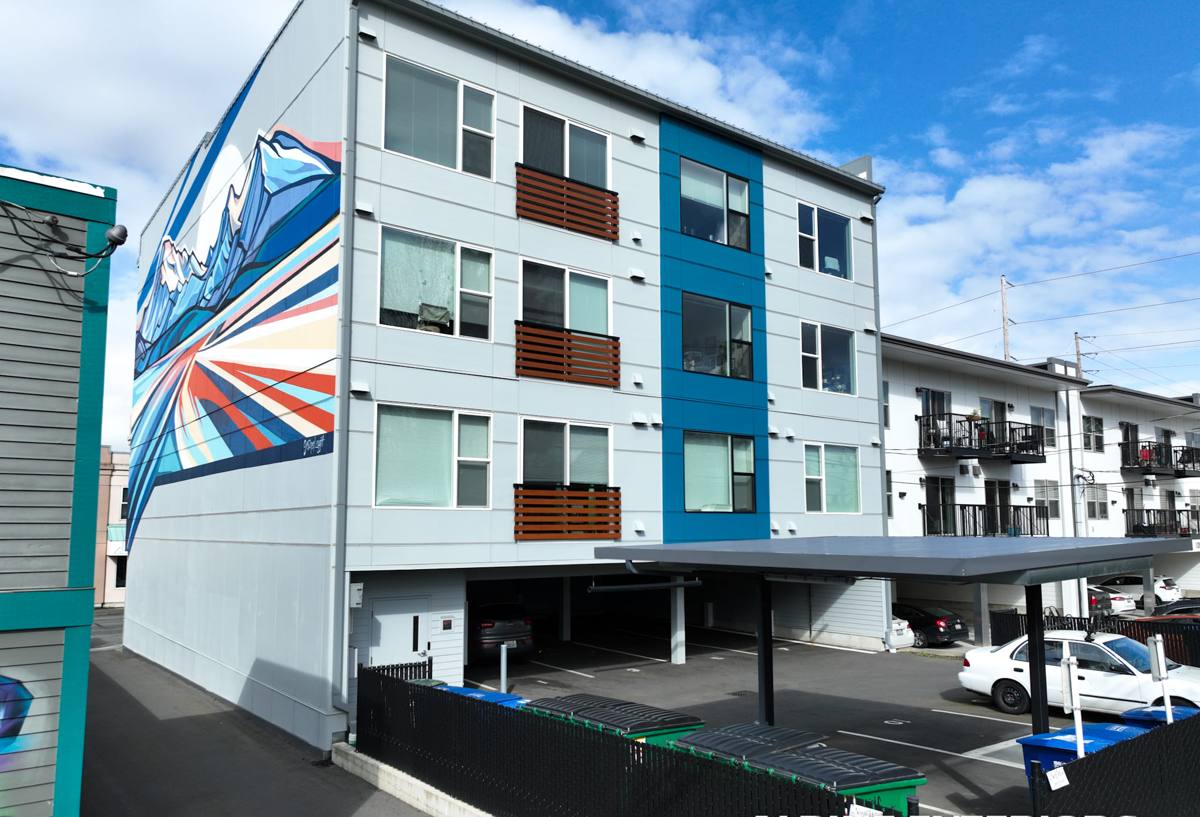
What Actually Happens When Window Installation Goes Wrong
Most window problems we see in this area aren't really about the glass or the sash — they're about water intrusion at the perimeter of the opening. When a window isn't flashed correctly, or the sill isn't sloped and sealed properly, moisture works its way behind the trim and into the wall framing. In a wetter climate like ours, that hidden moisture doesn't dry out quickly. It sits there through the winter, feeds rot in the framing and sheathing, and often isn't noticed until paint starts bubbling, trim goes soft, or a musty smell shows up inside.
Moss and algae growth on exterior walls is a visible symptom of the same underlying issue: prolonged dampness. Homes in Acme that back up to trees or sit in shaded pockets often show more moss and staining around window openings than homes in more open, sun-exposed areas of Lynden proper. That's not cosmetic — it's a sign that water is sitting against the wall longer than it should, and it puts extra pressure on whatever flashing and sealant is protecting the window opening underneath.
The Three Failure Points We See Most
- Missing or improperly lapped flashing — water gets behind the housewrap instead of over it, so gravity carries moisture into the wall instead of out.
- No sill pan or sloped sill — water that does get past the sash sits on a flat sill instead of draining out, and eventually finds a way in.
- Caulk used as the primary water barrier — sealant is a secondary defense, not a substitute for proper flashing. Caulk-only installations fail within a few years in this climate.
What a Correct Window Installation Involves
Flashing and Water Management
Every opening gets flashed in a shingle-lap sequence — sill flashing first, then the housewrap integrated over it, side flashing next, and head flashing last, always lapped so water sheds downward and outward, never into the wall. On a home exposed to Acme's rain patterns, we treat this step as non-negotiable regardless of window brand or price point. A high-end window installed with poor flashing will leak; a modest window installed with correct flashing generally won't.
Sill Pans and Drainage
Where the existing rough opening allows for it, we install a sloped sill pan so any water that reaches the sill has somewhere to go besides straight down into the framing. This is especially important on lower-floor windows and anywhere a roofline or overhang doesn't offer much protection from wind-driven rain.
Insulation and Air Sealing
The gap between the window frame and the rough opening needs to be filled with a material that stays flexible and doesn't compress or shrink away over time — not stuffed with fiberglass batting, which can settle and leave gaps. Properly sealing this gap also cuts down on drafts and the cold-wall effect that makes rooms near older windows feel chilly even when the heat is running.
Fastening and Structural Fit
Windows need to be shimmed level, plumb, and square before fastening — not just tipped into the opening and screwed down. A frame that's slightly racked puts uneven stress on the sash and hardware, which shows up years later as windows that stick, don't latch fully, or let in drafts along one edge.
Signs an Acme Home May Need Window Replacement
Not every window problem requires full replacement, but these are the signs worth having a professional look at before they turn into structural repairs:
- Soft or discolored trim or siding around the window frame
- Persistent condensation between the panes of a double-pane window (a sign the seal has failed)
- Visible gaps, drafts, or daylight around the sash when the window is closed
- Windows that are difficult to open, close, or lock
- Moss, algae, or dark staining concentrated around specific window openings
- Paint or finish that's peeling or bubbling near the window, especially on the interior sill
- A noticeable increase in heating costs without other explanation
Choosing the Right Window for This Climate
There's no single "best" window for every home — the right choice depends on the home's exposure, budget, and existing construction. What matters more than brand names is how the material and design perform under sustained moisture and temperature swings. Here's how the common frame materials compare for a climate like Acme's:
| Frame Material | Moisture Performance | Maintenance | Typical Lifespan |
|---|---|---|---|
| Vinyl | Good — won't rot, minimal sealant dependency | Low — occasional cleaning | 20-30 years |
| Fiberglass | Very good — stable in wide temperature/moisture swings | Low | 30-40 years |
| Wood-clad | Depends heavily on cladding integrity and installation quality | Higher — cladding seams need monitoring | 20-30 years with upkeep |
| Aluminum | Prone to condensation without a thermal break | Moderate | 20-30 years |
For a lot of Acme homes, especially those with more shaded or exposed walls, vinyl and fiberglass tend to hold up with the least maintenance headache. Wood-clad windows can look great and perform well, but they put more of the long-term burden on the quality of the cladding and the caulking around every seam — something worth factoring in honestly rather than glossing over.
Our Installation Process
- On-site assessment — we look at the existing openings, check for any existing water damage or rot before quoting, and discuss which frame material fits the home and budget.
- Removal — old windows come out carefully so we can inspect the rough opening and sheathing underneath, which is often the first time hidden moisture damage gets found.
- Opening repair — any soft or damaged framing gets repaired before a new window ever goes in. Installing a new window into a compromised opening just hides the problem.
- Flashing and sill pan installation — done in the correct sequence, every time, regardless of window brand.
- Window set and shim — leveled, plumbed, and squared before fastening.
- Insulation and interior/exterior sealing — gaps filled correctly, trim reinstalled or replaced.
- Final check — operation, locks, and weatherstripping tested before we consider the job finished.
What Affects the Cost of a Window Installation
We don't quote window jobs off a flat per-window price, because the honest cost drivers vary quite a bit from house to house. The broad factors that move the number:
| Factor | Why It Matters |
|---|---|
| Frame material and glass package | Vinyl, fiberglass, and wood-clad windows carry different material costs, and double vs. triple-pane glass changes price and performance |
| Existing wall/opening condition | Rot or moisture damage found during removal adds repair work before the new window can go in |
| Number of stories | Second-story and hard-to-access windows take more time and sometimes equipment |
| Trim and siding work | Matching existing trim or siding around a replaced opening adds labor |
| New construction vs. replacement | Replacing into an existing opening is generally less involved than a new or resized opening |
As a rough general range, straightforward single-window replacements in this region often fall somewhere in the low-to-mid thousands per opening depending on size and material, with full-home replacements scaling from there — but the only reliable number is one built from an actual look at your home's windows and walls.
Why Hiring a Crew That Already Works in Acme Matters
A contractor who regularly works Acme and the surrounding Lynden area already understands the wind exposure, the rain patterns, and how moss and moisture tend to concentrate on certain sides of a home out here. That's not a small thing — it means fewer surprises during the assessment, a flashing approach that's already proven against this specific weather, and a crew that isn't guessing about what "normal" wear looks like for a home in this part of Whatcom County versus a drier inland climate.
It also means faster response if something does come up after installation — whether that's a warranty question, a settling issue, or just wanting someone to take a look at a trim line before the next wet season sets in. Local knowledge shortens the learning curve on every job.
After Installation: Keeping Windows Performing Through Moss Season
New windows, correctly installed, shouldn't need much. That said, a few habits go a long way in this climate:
- Keep gutters and downspouts clear so water isn't overflowing directly onto window heads
- Rinse off moss or algae buildup on nearby siding and trim before it spreads onto window frames and seals
- Check weatherstripping and caulk lines once a year, ideally before the wet season ramps up in fall
- Trim back vegetation that's keeping a wall or window shaded and damp longer than necessary
- Address any new condensation between panes promptly — it signals a seal failure, not something that self-corrects
Permits and Local Considerations
Window replacement in Whatcom County, including unincorporated areas like Acme, can require permitting depending on the scope of the work — particularly if the opening size changes or structural framing is involved. A straightforward like-for-like replacement is often simpler, but it's worth confirming before work begins rather than after. Part of our process includes handling that check so homeowners aren't left guessing about what's required.
If you're weighing whether your Acme home's windows need attention, we're glad to take a look and give you a straight answer — no pressure, no upsell, just an honest assessment and a free estimate using the form below.