 Lynden Exterior
 Why Siding Installation in Everson Needs a Different Standard
Everson sits in a stretch of Whatcom County where weather doesn't ease up for long. Homes here deal with a wet season that runs most of the year, driving rain that comes in sideways off frequent windstorms, and a persistent dampness that keeps moss and algae active on north- and shade-facing walls far longer than in drier parts of the state. Add in the salt-laden air that moves inland from the Sound on a regular basis, and you have a climate that is genuinely hard on exterior building materials. Siding installed without that reality in mind doesn't fail overnight — it fails slowly, in ways that are expensive to catch late.
A siding installation done right for an Everson home isn't just about picking a good product. It's about how that product is detailed, flashed, gapped, and fastened so the building envelope behind it stays dry through decades of this specific climate, not just through one dry summer.
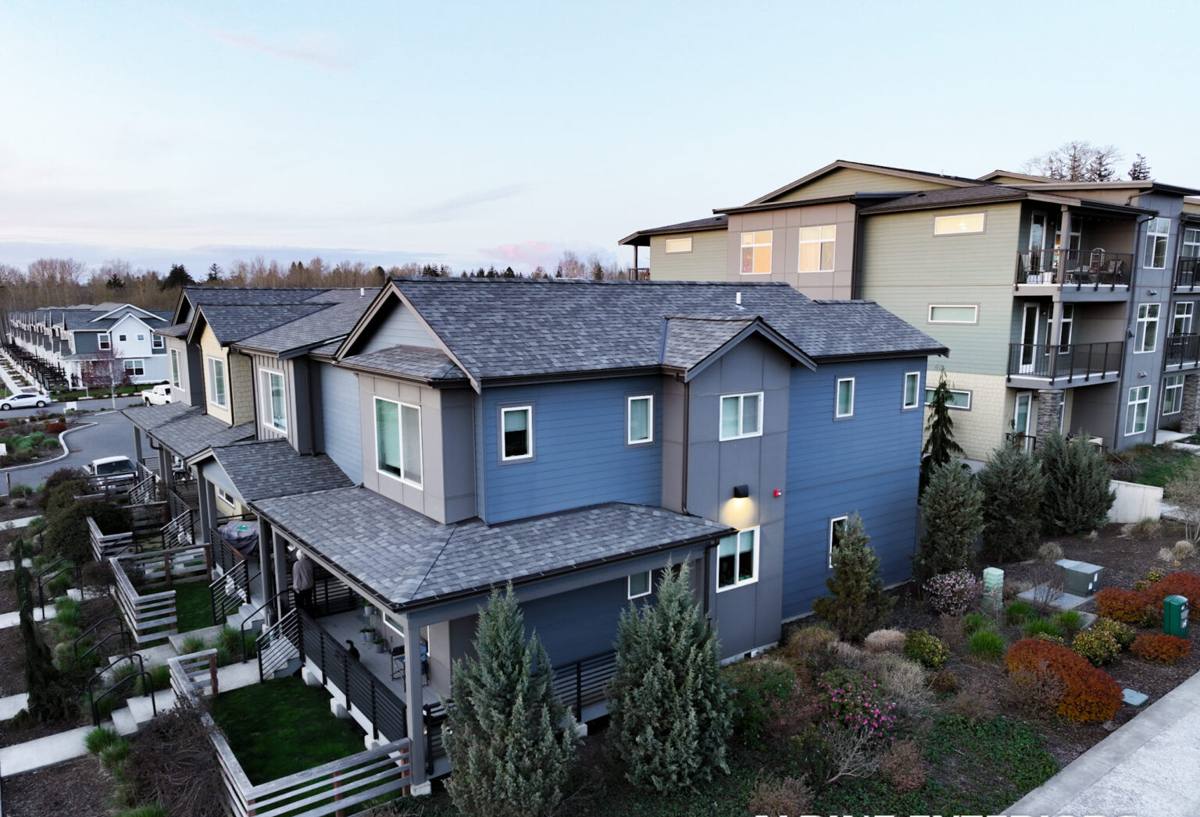
What This Climate Does to Siding Over Time
Three factors compound here in a way that surprises a lot of homeowners moving from drier regions:
Driving Rain and Wind-Driven Moisture
Whatcom County storms don't just drop rain straight down — wind pushes it sideways into wall assemblies, testing every seam, joint, and penetration. Siding that relies on caulk alone to keep water out, rather than proper flashing and drainage behind the cladding, eventually lets moisture in.
A Long, Active Moss Season
Shaded walls, tree cover, and consistent dampness give moss and algae a long growing window here — often most of the year on north-facing elevations. Siding that traps moisture against its surface, or that has a porous finish, gives moss more to grab onto and holds dampness longer once it does.
Salt Air Exposure
Even homes not directly on the water pick up salt-laden moisture carried inland on prevailing winds. Over years, that salt content accelerates corrosion on fasteners, trim flashing, and any metal components in the wall assembly — which is part of why fastener choice and flashing material matter as much as the siding panel itself.
Signs an Everson Home's Siding Is Losing the Fight
Because failure is gradual, homeowners often notice symptoms before they connect them to a siding problem:
- Persistent green or black staining that returns within weeks of cleaning, especially on shaded or north-facing walls
- Soft, spongy, or visibly swollen spots, particularly near the bottom courses or around window trim
- Paint or finish that's peeling, bubbling, or chalking faster than expected for its age
- Visible gaps, warping, or cupping in boards, especially where panels meet trim or corners
- Rusty streaking below nail heads or metal flashing
- A musty smell near exterior walls inside the home, which can indicate moisture already working its way through
Any one of these is worth a look. Several at once usually means the siding, the water-resistive barrier behind it, or both need attention sooner rather than later.
What a Correct Siding Installation Actually Involves
The siding panel itself gets most of the attention, but it's a small part of what actually keeps water out. A correct installation is a system, and skipping any layer undermines the rest.
The Water-Resistive Barrier
Underneath the siding, a properly lapped and sealed weather-resistive barrier is the actual line of defense against bulk water. Siding sheds most rain, but wind-driven moisture in a climate like this will get behind panels eventually — the barrier is what keeps that moisture from reaching the sheathing and framing.
Flashing at Every Penetration
Windows, doors, hose bibs, light fixtures, vents — every penetration through the siding is a potential entry point. Correct flashing directs water up and over these openings and out, rather than letting it pool or wick inward. This is one of the most common places corners get cut on lower-quality installs, and it's one of the most common places we find problems on Everson homes we're called to inspect.
Proper Gapping and Fastening
Fiber cement siding needs consistent clearance from the ground, roofline, and any hard surfaces so water can drain and boards can handle normal expansion and contraction without buckling. Fasteners need to be the right length, right material, and driven correctly — overdriven or underdriven nails are a common cause of premature failure and are easy to miss on a rushed job.
Caulking Used as a Backup, Not a Primary Seal
Caulk has a service life measured in years, not decades. A correct installation uses flashing and drainage as the primary defense against water, with sealant as a secondary layer — not the other way around.
Why We Install Only James Hardie Fiber Cement
We install one siding system on every home we work on: James Hardie fiber cement. That's a deliberate standard, not a limitation of what we're able to offer.
Fiber cement is non-combustible, dimensionally stable in wet-dry cycling, and holds its factory-applied finish far longer than field-painted materials — which matters directly in a climate where moss, algae, and constant moisture put real stress on lesser finishes. James Hardie's ColorPlus factory finish is baked on and warranted separately from the substrate, so homeowners aren't repainting every few years to keep the surface protected. Hardie also engineers specific product lines (its HZ5 and HZ10 lines) for different climate zones, which lets us match the product to Whatcom County's rain and moisture exposure rather than installing something built for a drier region.
We don't install vinyl, LP SmartSide, Cemplank, Allura, or unfinished wood siding. Each of those has legitimate uses, but each also carries trade-offs — moisture sensitivity, maintenance burden, finish durability, or installation tolerances — that we're not willing to build a reputation on in a climate this demanding. Standardizing on one system also means our crews install it constantly, rather than switching between products and picking up bad habits from unfamiliarity.
Our Installation Process
Every Everson project follows the same sequence, regardless of size:
- Assessment. We inspect the existing siding, sheathing, and any visible moisture damage before quoting anything, so the estimate reflects what your home actually needs.
- Tear-off and sheathing check. Old siding comes off and we inspect the sheathing underneath for rot or damage before anything new goes up — covering a problem is worse than finding one.
- Weather-resistive barrier installation. Properly lapped, sealed, and integrated with window and door flashing.
- Flashing at all penetrations. Windows, doors, vents, and fixtures are flashed before siding goes on around them.
- Hardie installation to manufacturer spec. Correct gapping, fastener spacing, and fastener type for the product line and exposure.
- Trim, caulking, and finish detailing. Sealant applied as the secondary barrier it's meant to be, not the primary one.
- Final walkthrough. We go over the completed work with you before calling the job done.
Cost Factors for Everson Siding Projects
Every home is different, but the factors that move a siding project's cost are consistent. Broad ranges below are for orientation only — your estimate will reflect your home's specifics.
| Factor | Why It Matters |
|---|---|
| Home size and wall complexity | More square footage and more corners, gables, and dormers mean more material and labor |
| Extent of sheathing repair needed | Moisture damage found during tear-off adds scope that can't be known until the old siding is off |
| Siding profile and product line | Lap, shingle, and panel styles, plus HZ5 vs. HZ10, price differently |
| Trim and detail work | Window and door trim, corner boards, and fascia detailing add labor time |
| Access and site conditions | Steep grades, tight lot lines, or multi-story sections affect staging and equipment needs |
Maintenance After Installation
Correctly installed James Hardie siding needs far less upkeep than most alternatives, but Everson's moss season means it's not zero-maintenance. A rinse-down once or twice a year on shaded and north-facing walls keeps moss and algae from taking hold, and a quick visual check after major windstorms — looking for loose trim, damaged flashing, or caulk that's pulled away — catches small issues before they become water intrusion.
- Rinse shaded and north-facing walls annually to discourage moss and algae buildup
- Trim back vegetation and tree cover that keeps walls damp longer than necessary
- Inspect caulking around windows and trim yearly, especially after winter storms
- Watch for staining or soft spots near ground level, which often show up first
Why a Crew That Already Works in Everson Makes a Difference
Whatcom County's building requirements, wind exposure, and moisture conditions aren't uniform across the state, and a crew that installs siding here regularly already knows how the local climate behaves against a wall assembly through a full year of seasons. That familiarity shows up in the details — where flashing gets extra attention, how gapping is adjusted for exposure, which walls need closer inspection for existing moss or moisture damage before work even starts. It's the difference between a correct installation on paper and one that actually holds up through Everson's rain, wind, and moss season year after year.
If your Everson home's siding is showing wear, or you're planning ahead for a replacement, we're happy to take a look and walk you through what your home specifically needs. Reach out for a free, no-pressure estimate using the form below.