 Lynden Exterior
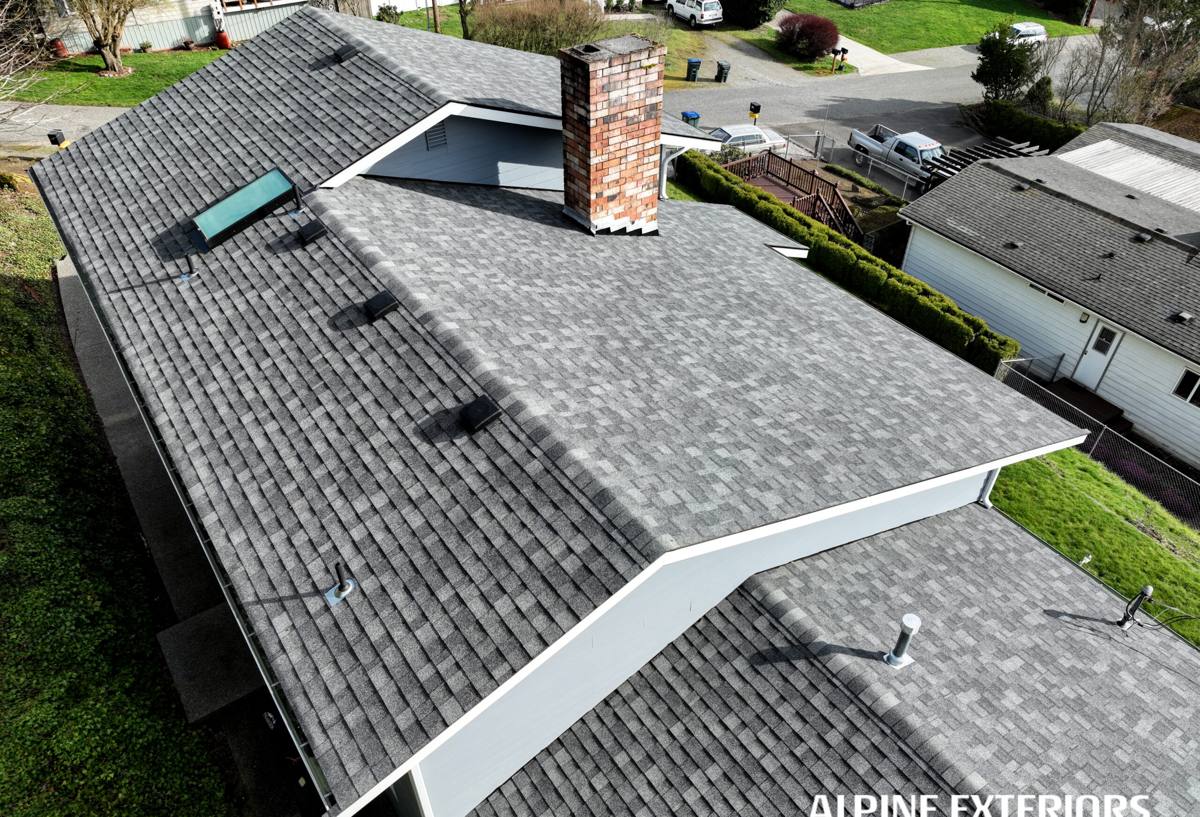
 New Roof Installation for Wiser Lake Homes
Wiser Lake sits just west of Lynden in a part of Whatcom County where the roofline takes a beating most homeowners never fully see until it's too late. Between the moisture pulled in off the water, the tree cover shading large sections of many lots, and a rainy season that stretches for months, roofs out here age differently than roofs in drier, more open parts of the county. A new roof installation in this area isn't just about swapping old shingles for new ones — it's about building a roof system that's matched to what this specific location does to a house year after year.
We install roofs throughout Lynden and the surrounding Whatcom County communities, and Wiser Lake properties come with their own pattern of wear. Knowing that pattern before the first shingle comes off is what separates a roof that looks good for a season from one that actually performs for its full service life.
What the Wiser Lake Climate Does to a Roof
Three conditions define roofing work around here, and they compound on each other more at Wiser Lake than in town.
Persistent Moisture and Salt-Tinged Air
Whatcom County sits close enough to the coast that homes near open water pick up a faint but steady dose of salt-laden air on top of standard Pacific Northwest humidity. That combination speeds up corrosion on exposed metal fasteners, flashing, and vent components faster than it would inland. It also means shingles and underlayment spend more of the year damp than dry, which matters for how a roof is built from the deck up, not just what's visible on the surface.
Driving Rain
Storms here don't just drop rain straight down — wind off the lake and open fields regularly pushes rain sideways into eaves, valleys, and wall-to-roof transitions. A roof that would shed water fine in a calmer microclimate can still leak at Wiser Lake if the underlayment, flashing laps, and valley details aren't installed to handle wind-driven water intrusion specifically.
A Long Moss and Algae Season
Shade from mature trees around much of the lake, combined with months of damp, mild weather, gives moss and algae a long window to establish themselves on north-facing and shaded roof slopes. Moss isn't just cosmetic — it holds moisture against the roofing material, lifts shingle edges as it grows, and works its way into fastener lines over time. Left unmanaged, a moss-heavy roof ages years faster than a clean one.
Signs a Roof Needs Replacement, Not Another Repair
Not every roof problem calls for full replacement, but there's a point where patching stops making financial sense. Common signs we look for on Wiser Lake homes include:
- Granule loss heavy enough that you can see bare, shiny patches on shingles from the ground
- Shingles that are curling, cupping, or cracking across multiple slopes, not just one isolated area
- Soft or spongy decking felt underfoot during an inspection, especially near valleys or eaves
- Moss coverage thick enough that it's lifting shingle tabs rather than just sitting on the surface
- Daylight visible through the roof deck from inside the attic
- Repeated leaks in different spots after previous patch repairs
- A roof approaching or past the manufacturer's expected service life for its material and this climate
If a roof is showing one or two of these signs in a contained area, targeted repair can still be the right call. When several show up together, or the roof is old enough that repair costs start rivaling replacement, full installation is usually the more honest recommendation.
Choosing a Roofing System That Fits This Location
There's no single "best" roofing material for every house — the right choice depends on the roof's slope, how much shade it sits under, the home's structure, and the owner's budget and maintenance tolerance. Here's how the common options stack up specifically for a shaded, moisture-heavy site like Wiser Lake.
| Material | Performance in This Climate | Maintenance Burden | Typical Lifespan |
|---|---|---|---|
| Architectural asphalt shingle | Strong wind and rain resistance when installed with proper underlayment; wide product availability | Moderate — benefits from periodic moss treatment on shaded slopes | 25–30+ years |
| Standing seam metal | Sheds moisture and moss very effectively due to smooth, sloped surface; handles wind-driven rain well | Low — occasional inspection of fasteners and flashing | 40–50+ years |
| Synthetic/composite shake | Mimics traditional shake appearance without the moisture-absorption issues of natural wood | Low to moderate | 30–50 years, product-dependent |
| Natural cedar shake | Attractive but absorbs and holds moisture in shaded, damp conditions, which shortens its practical service life here | High — regular treatment and inspection required | Highly variable; often shorter in shaded, damp settings |
We're upfront with Wiser Lake homeowners that natural cedar, while a beautiful traditional look, carries real trade-offs on a shaded, moisture-prone lot — it's simply harder to keep performing well when a roof rarely gets a chance to fully dry out. That's a maintenance-and-moisture conversation, not a knock on the material itself, and we're happy to walk through it during an estimate.
What a Correct Installation Actually Involves
A new roof is only as good as what happens underneath the shingles or panels. Corners cut at this stage don't show up as problems until years later, often after the warranty period has quietly lapsed.
Tear-Off and Deck Inspection
We remove the existing roofing down to the deck rather than layering over old material. This lets us inspect the sheathing for soft spots, rot, or delamination caused by long-term moisture exposure — common in shaded areas around Wiser Lake — and replace any compromised sections before new roofing goes down.
Ice and Water Barrier at Vulnerable Points
Eaves, valleys, and roof-to-wall transitions get a self-adhering waterproof membrane underneath the primary underlayment. These are the areas where wind-driven rain is most likely to find a way in, and they're worth the extra material and labor.
Full-Coverage Synthetic Underlayment
Over the rest of the deck, a synthetic underlayment provides a secondary water barrier and a stable surface for the roofing material. In a climate where the roof spends a large share of the year wet, this layer is doing real work, not just serving as a formality.
Flashing Detail Work
Chimneys, skylights, vents, and sidewalls all need properly formed and lapped flashing. Generic or reused flashing is one of the most common sources of leaks we find on older roofs during tear-off — it's a place where taking the time to do custom bends and correct laps pays off for decades.
Balanced Attic Ventilation
Intake vents at the eaves and exhaust vents at the ridge keep air moving through the attic space, which reduces the moisture buildup that feeds both wood rot and moss growth from the underside up. On shaded lake-area lots, ventilation is doing extra work compared to a roof that gets full sun most of the day.
How Our Process Works, Start to Finish
- On-site estimate: We inspect the existing roof, deck condition where visible, attic ventilation, and any problem areas you've noticed, then walk you through material and cost options.
- Written proposal: A clear scope of work, material specifications, and price — no vague allowances or surprise add-ons.
- Scheduling around weather: We plan installation windows with Whatcom County's rain patterns in mind, and we protect the open deck if conditions shift mid-project.
- Tear-off and deck repair: Old roofing comes off, decking is inspected, and any damaged sections are replaced before anything new goes on.
- Underlayment and flashing installation: Waterproof barriers and custom flashing go in at every vulnerable point.
- Roofing material installation: Shingles, panels, or shakes are installed to manufacturer specification, which is what keeps the product warranty valid.
- Ventilation check and final inspection: We confirm intake and exhaust ventilation is balanced and walk the finished roof for quality before cleanup.
- Site cleanup: Magnetic sweeps for stray nails and full debris removal so the property is left clean.
Why a Crew That Already Works Wiser Lake Matters
A contractor who's only ever worked drier, more exposed rooflines in other parts of the county can misjudge what a shaded, moisture-heavy lake property actually needs — underestimating ventilation requirements, skipping moss-prevention details, or specifying materials that look fine on paper but struggle in this specific microclimate. Working this area regularly means knowing which slopes tend to hold moss, how far wind-driven rain typically travels under eaves in a lakeside setting, and which flashing details actually hold up here rather than just meeting minimum code.
It also means faster response when something needs attention after a storm, familiarity with local permitting through Whatcom County, and a crew that isn't learning this climate on your roof.
Questions to Ask Before You Sign a Roofing Contract
- Is the full tear-off and deck inspection included, or is this a layover installation?
- What underlayment and ice/water barrier products are being used, and where will they be installed?
- How will attic ventilation be evaluated and addressed as part of the job?
- What's included in the written warranty — material only, or workmanship too, and for how long?
- Is the crew licensed and insured to work in Washington State, and can that be verified directly?
- How will the site be protected and cleaned up during and after installation?
A contractor who answers these questions clearly and in writing, without hedging, is generally one worth trusting with the job.
Get a Straightforward Estimate
If your roof is showing its age or you just want an honest read on how much life it has left, we're glad to take a look. We'll walk the roof, explain what we find in plain terms, and give you a written estimate with no pressure to decide on the spot — just the information you need to make a good call for your Wiser Lake home.