 Lynden Exterior
 Why Decks in Nooksack Wear Differently
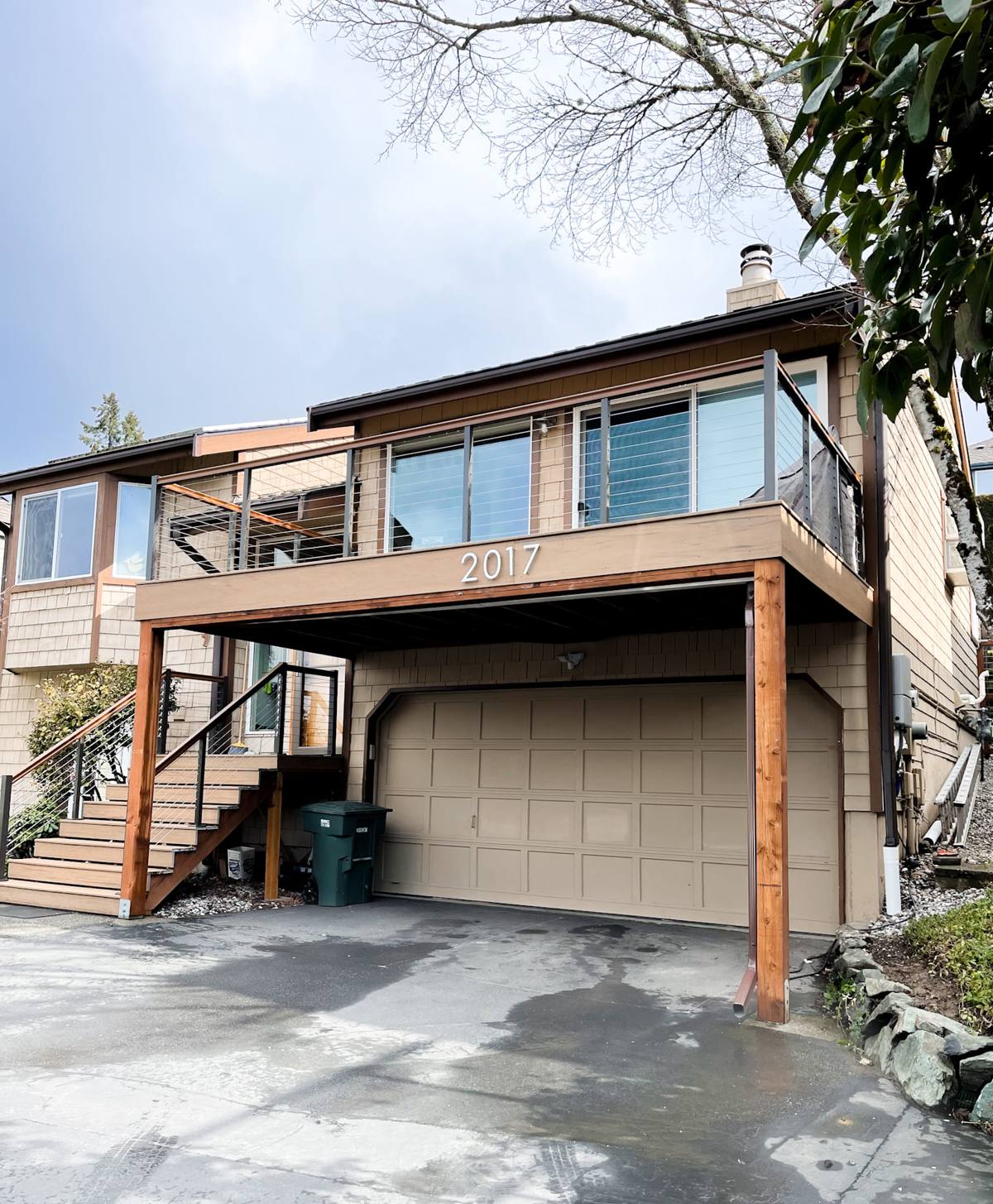
Nooksack sits in a part of Whatcom County where the weather doesn't do decks any favors. Damp marine air pushes in off the Puget Sound region for much of the year, driving rain comes in sideways more often than straight down, and the shaded, tree-lined lots common around Nooksack and Lynden keep wood surfaces wet long after a storm has passed. That combination — moisture, poor drying time, and organic growth — is what separates deck problems here from what you'd see in a drier climate. A deck built with the same materials and fasteners you'd use in Eastern Washington or the Southwest will age faster here unless it's detailed correctly.
We work on decks throughout this corner of Whatcom County, and the failure patterns repeat themselves: moss creeping into board seams, ledger boards holding moisture against the house, and fasteners that were never rated for this level of year-round dampness. Understanding those patterns is the first step to repairing a deck so it actually lasts, instead of patching the same spot again in two or three years.
The Climate Factors That Drive Deck Damage Here
Moisture That Doesn't Fully Dry Out
Whatcom County gets long stretches of overcast, drizzly weather rather than short, hard downpours. Wood that stays damp for days at a time is far more vulnerable to rot than wood that gets soaked and then dries quickly. Decking, framing, and especially end grain at board cuts absorb and hold that moisture.
Salt-Laden Marine Air
Air moving inland off the Sound carries salt content that accelerates corrosion on exposed metal — fasteners, joist hangers, railing brackets, and post bases. Once corrosion starts, it weakens connections in places you can't see just by looking at the deck surface.
A Long Moss and Algae Season
Shade, moisture, and mild temperatures give moss and algae a long growing window here — often most of the year on north-facing or tree-covered decks. Moss doesn't just look bad; it holds water against the wood surface and works into seams, joints, and fastener heads, quietly feeding rot underneath.
Signs Your Deck Needs Repair — Not Just a Cleaning
- Soft, spongy, or springy spots when you walk across the decking
- Boards that have visibly cupped, split, or pulled away from joists
- Rust streaking around screws, bolts, or metal connectors
- Persistent moss or dark staining that comes back within weeks of cleaning
- Wobble or movement in railings, posts, or stair stringers
- Gaps or separation where the deck meets the house (the ledger board connection)
- A musty smell coming from underneath the deck
Any one of these can be a surface-level issue. Several together, especially near the ledger board or support posts, usually point to something structural that a simple board swap won't fix.
The Most Common Repairs We See on Local Decks
Ledger Board and Rim Joist Rot
The ledger board — where the deck attaches to the house — is the single most common failure point in this climate. Poor flashing or a missing moisture barrier lets water track down behind the siding and sit against the ledger, rotting it quietly for years before it shows on the surface. This is also the connection responsible for holding the whole deck to the structure, so it's not a cosmetic repair.
Fastener and Hardware Corrosion
Older decks, or decks built with standard (non-coated) fasteners, often show corrosion at joist hangers, structural screws, and railing hardware well before the wood itself is a problem. Corroded hardware loses holding strength gradually, which is part of why it's easy to miss until a connection actually fails.
Post Base and Footing Issues
Posts set directly in soil or sitting in standing water at the base are vulnerable to rot right where they meet the ground — often the least visible spot on the whole structure. We check post bases as a standard part of any repair inspection.
Moss-Damaged Decking Boards
Long-term moss growth traps moisture against the board surface, and over time that softens the wood fibers even on treated lumber. Boards in shaded corners or under overhangs typically show this first.
Railing and Stair Movement
Loose railings and stair stringers are usually a fastener or connection problem rather than a wood problem, and they're a safety issue we prioritize regardless of the rest of the deck's condition.
What a Correct Deck Repair Actually Involves
A repair that only replaces what's visible from the top often misses the cause. Our approach starts with the structure and works outward:
- Inspect from underneath. We look at joists, beams, posts, and the ledger connection from below, not just the walking surface.
- Identify the moisture source. Rot and corrosion are symptoms — we find where water is getting in or staying trapped before repairing anything.
- Address the structure first. Damaged framing, corroded hangers, and a compromised ledger board get repaired or replaced before any decking goes back down.
- Match or upgrade fasteners. Where corrosion caused the problem, we don't just replace hardware with the same grade — we use fasteners and connectors rated for this climate.
- Replace decking and railing components as needed, matching the existing material where the rest of the deck is sound.
- Correct the moisture path — flashing at the ledger, drainage at post bases, gapping at board seams — so the same failure doesn't repeat.
Repair or Replace? What Actually Decides It
| Factor | Repair Usually Makes Sense | Replacement Usually Makes Sense |
|---|---|---|
| Framing condition | Joists, beams, and ledger are structurally sound | Rot or corrosion has spread through multiple framing members |
| Extent of damage | Isolated to a few boards, a section, or one connection | Damage is spread across most of the deck surface or structure |
| Deck age | Under 15-20 years, built to a reasonable standard | Older deck nearing the end of its practical service life |
| Code and safety | Current structure meets basic safety expectations | Undersized framing, missing hardware, or unsafe railings throughout |
| Cost comparison | Repair cost is clearly less than a meaningful fraction of full replacement | Repair costs start approaching what a rebuild would cost |
We'll tell you honestly which side of this table your deck falls on. A deck with a rotted ledger board and otherwise sound framing is a repair. A deck with rot at multiple posts, a failing ledger, and soft decking throughout is usually money better spent on a rebuild.
Materials and Hardware Choices That Matter Here
Given the moisture and salt-air exposure common around Nooksack and the rest of Whatcom County, we're selective about what goes back into a repair:
- Fasteners and connectors: corrosion-resistant coated or stainless hardware at structural connections, not standard-grade screws that will corrode again in a few years
- Framing lumber: properly rated pressure-treated stock for anything in ground contact or near the ledger, with cut ends re-sealed
- Flashing: correct ledger flashing detail so water sheds away from the house rather than tracking behind the siding
- Decking material: wood or composite matched to the existing deck, chosen with this area's moss and moisture exposure in mind rather than a one-size-fits-all default
We're not going to talk down any specific manufacturer's product — different materials have real trade-offs in maintenance, moisture behavior, and appearance, and we'll walk you through those honestly for your specific deck rather than pushing a single answer.
Our Process, Start to Finish
We keep the repair process straightforward:
- A walk-through inspection of the deck surface, railings, stairs, and the structure underneath
- A clear explanation of what we found, what's causing it, and what repair options make sense
- A written estimate that separates structural work from cosmetic work, so you know what you're paying for and why
- The repair itself, done in the order that protects the structure first
- A final check of railings, stairs, and connections before we call it done
- Clean moss and algae off the surface at least once a year, more often on shaded decks
- Keep gutters and downspouts clear so runoff isn't dumping onto or near the deck
- Check for standing water on the deck surface after heavy rain — it usually means a drainage or slope issue
- Look underneath once a year for new staining, soft spots, or rust at hardware
- Reseal or refinish wood decking on the manufacturer's recommended schedule, not just when it looks faded
- Trim back vegetation that's shading the deck and keeping it damp longer than it needs to be
We don't upsell repairs a deck doesn't need, and we don't recommend a full rebuild when a targeted repair will genuinely hold up.
Keeping a Repaired Deck in Good Shape
A correct repair buys you years, but this climate keeps working on the deck year-round. A short annual routine goes a long way:
Why It Matters to Hire a Crew That Already Works This Area
A deck repair contractor who mostly works drier climates will often default to standard-grade materials and miss the moisture paths that cause repeat failures here. Working regularly around Lynden, Nooksack, and the rest of Whatcom County means we already know where the moss builds up first, which fastener grades hold up to the marine air, and how the local ledger and flashing details need to be handled so a repair doesn't have to be redone in a few wet seasons. That local pattern recognition is often the difference between a repair that lasts and one that becomes a recurring expense.
If you're seeing soft boards, rust stains, moss that won't stay gone, or movement in your railings, we're happy to take a look and give you an honest read on what's going on and what it'll take to fix it. Reach out for a free, no-pressure estimate using the form below.