 Lynden Exterior
 Siding Built for the Nooksack Valley, Not Just "the Northwest"
Nooksack sits low in the river valley east of Lynden, in the part of Whatcom County where marine air off the Salish Sea pushes inland, cools over the farmland, and sits. That combination — humid air, slow-draining low ground, and long stretches of overcast, drizzly weather — is harder on exterior siding than the marketing brochures usually admit. Homes here don't just get rained on; they sit inside damp air for days at a time, and that changes what "good siding" actually means.
Three things define the climate load on a Nooksack home's exterior: driving rain that gets pushed sideways into wall assemblies during winter storms, a moss season that can run from October through April, and the salt-tinged marine moisture that travels up the valley and slowly works on anything that isn't built to shed water. A siding product that performs fine in a dry inland climate can fail here in ways that show up as soft trim, peeling paint, or swollen panel edges within a handful of years.
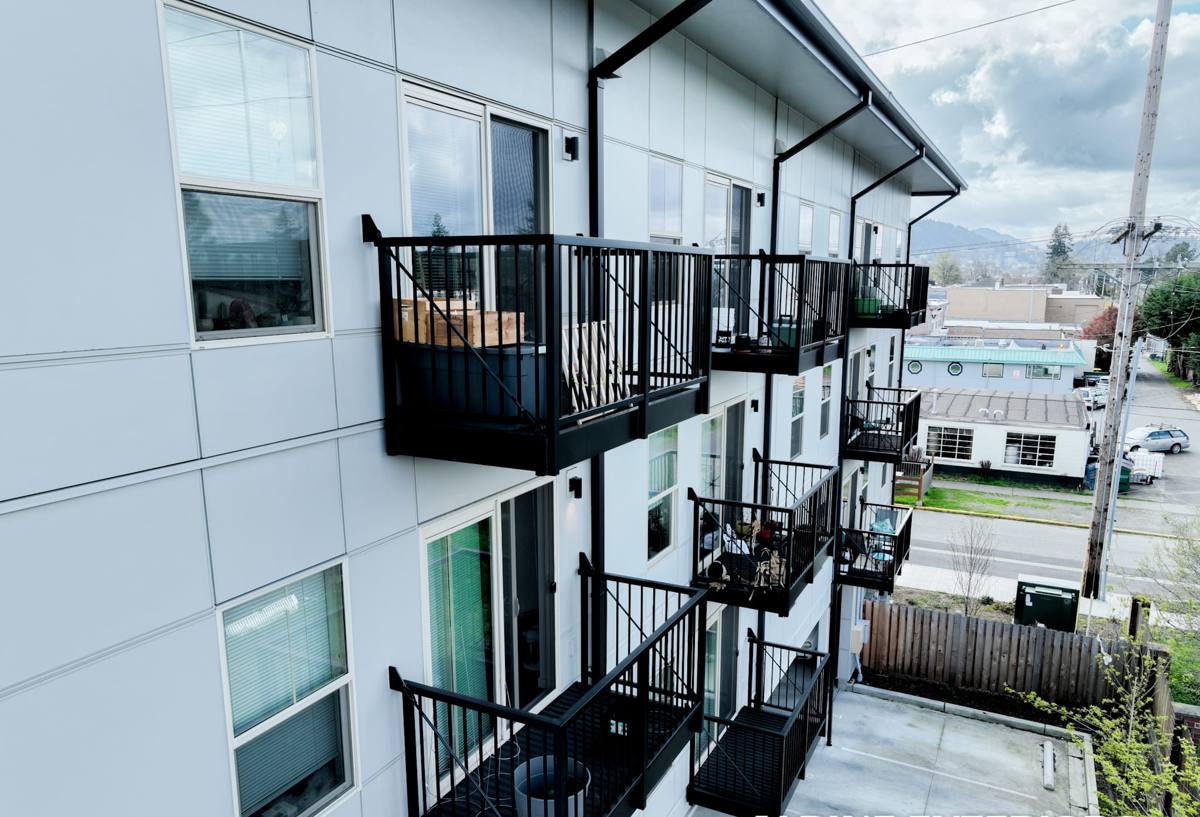
What Fiber Cement Actually Solves Here
Fiber cement is cement, sand, and cellulose fiber pressed into a dense, stable board. It doesn't absorb water the way wood-based products do, it doesn't rot, and it won't feed the moss and algae that thrive in this valley's damp shade the way some organic-fiber sidings can. That's the whole reason it matters for a Nooksack property: the material itself is indifferent to the exact conditions that wear other sidings down.
Why We Install Only James Hardie
Fiber cement is a category, not a single product, and not every fiber cement board is engineered the same way. We install James Hardie exclusively — not Allura, not Cemplank — because Hardie's HZ5 formulation is specifically engineered for the moisture and freeze-thaw swings of the Pacific Northwest, and because its ColorPlus factory finish is baked on under controlled conditions rather than field-applied on a job site in variable weather. In a climate where a paint job has to survive months of damp before it ever gets a real drying stretch, that difference in finish process is not a minor detail — it's the difference between a color that fades evenly over a decade and one that fails at the caulk lines and cut edges first.
What a Correct Installation Involves
Fiber cement is only as good as the wall assembly behind it. A board that's engineered for this climate but installed without proper drainage detailing will still trap moisture and cause problems — just slower than a lesser product would. Here's what we consider non-negotiable on every Nooksack job:
A Working Drainage Plane
Siding is a rain screen, not a waterproof membrane. Correct installation means a weather-resistive barrier, properly lapped and taped, with a drainage gap behind the siding so any water that gets past the face has somewhere to go and can dry out instead of sitting against the sheathing.
Fastening and Clearances
Hardie specifies fastener type, spacing, and penetration depth for a reason — under-driven or over-driven nails compromise both the warranty and the water management. We also hold the minimum clearance between the bottom of the siding and grade, decks, and roof lines, because that gap is what keeps splash-back and standing snowmelt from wicking into the board's cut edge, the one part of any fiber cement panel that isn't factory-sealed.
Caulking and Sealant Discipline
Every joint, corner, and penetration is a potential entry point for the moisture this valley produces in volume. We use sealants rated for the movement and UV exposure this climate delivers, and we don't rely on caulk to compensate for a poorly flashed window or door — flashing comes first, sealant is the backup, not the plan.
The Moss and Algae Problem, Addressed at the Design Stage
Long moss seasons aren't just a roof issue. North- and east-facing walls that stay shaded through a Nooksack winter can grow a visible film of algae and moss on siding that holds moisture at the surface. Fiber cement itself doesn't feed organic growth the way wood or some engineered wood products do, but growth can still take hold on any surface that stays damp long enough — so we pay attention to a few things during installation that reduce how much a wall stays wet in the first place: keeping vegetation and irrigation spray clear of the wall plane, making sure gutters and downspouts actually move water away from the foundation instead of sheeting down the siding, and confirming roof overhangs give lower courses at least some protection from direct, constant wetting.
Our Process for a Nooksack Project
- On-site assessment. We look at the existing wall assembly, check for hidden moisture damage behind the current siding, and identify problem areas — north walls, low clearances, poor flashing — before any material is ordered.
- Scope and product selection. We walk through Hardie board profiles, textures, and ColorPlus color options relevant to the home's exposure and your preferences, and give you a clear, written scope of what's included.
- Tear-off or recover decision. If the sheathing and weather barrier underneath are sound, a recover may be appropriate. If we find rot, failed felt, or missing drainage detail, we address that first — installing new siding over a compromised wall just locks the problem in.
- Installation to spec. Drainage plane, flashing, fastening schedule, and clearances are handled to Hardie's published requirements, not shortcuts common on lower-bid jobs.
- Final walkthrough. We inspect caulk lines, trim details, and touch-up paint with you before calling the job done.
Cost Factors for a Nooksack Fiber Cement Project
There's no honest single number for siding cost without seeing the house, but the variables that actually move the price are consistent from project to project:
| Factor | Why It Affects Cost |
|---|---|
| Tear-off vs. recover | Removing old siding and repairing hidden sheathing damage adds labor but is often necessary in a wet climate |
| Home complexity | Dormers, gables, and multiple roof lines mean more cuts, flashing details, and labor hours |
| Board profile and texture | Lap width, shingle-style panels, and specialty trim cost more in material and installation time than standard lap siding |
| ColorPlus vs. field-painted | Factory-finished color carries a material premium but avoids future field-painting costs |
| Site access | Rural Nooksack properties with long driveways, outbuildings, or limited staging area can affect labor logistics |
| Existing moisture damage | Rot repair discovered during tear-off is priced separately and can't always be predicted before opening the wall |
Why Hiring a Crew That Already Works This Area Matters
A crew based in Lynden that regularly works the Nooksack area already knows the practical realities that don't show up in a generic siding brochure: how far the growing season and wet season eat into a realistic installation window, how agricultural dust and moisture near farmland can affect fresh caulk and paint cure times, and what Whatcom County's permitting and inspection process actually requires for exterior work. A crew unfamiliar with the area is learning those lessons on your house. A local crew already knows them.
Homeowner Checklist Before You Get Estimates
- Walk your home's exterior and note any soft spots, visible gaps, or dark staining, especially on north- and east-facing walls
- Check for moss or algae buildup at the base of walls or under eaves — a sign of poor drying conditions in that area
- Confirm your gutters and downspouts are directing water away from the foundation, not sheeting onto siding
- Ask any contractor whether they install to Hardie's published fastening and clearance specifications, not just "to code"
- Ask what happens if rot or moisture damage is found once old siding comes off, and how that's handled and priced
- Get the product line, profile, and color system in writing, not just "Hardie siding" as a generic line item
Warranty and Longevity in a Wet Climate
James Hardie's product warranty and ColorPlus finish warranty are both structured around correct installation — which is exactly why installation quality matters as much as the product choice itself in a climate like this one. A warranty on paper doesn't fix a wall that was installed without a drainage gap or proper flashing. We install to spec specifically so that the coverage you're paying for through the product actually holds up if you ever need it.
If you're weighing a siding project on a Nooksack-area home, we're happy to walk the exterior with you, point out what we see, and put together a straightforward, no-pressure estimate — use the form below to get started.