 Lynden Exterior
 Siding Installation Built for Wiser Lake's Conditions
Homes around Wiser Lake sit in one of the more demanding pockets of Whatcom County when it comes to exterior wear. The combination of moisture off the lake, salt-laden air moving through the region, driving winter rain, and a moss season that seems to stretch longer every year puts real, measurable stress on siding. We install siding for homeowners throughout the Lynden area, and Wiser Lake properties consistently show the same pattern: siding that was installed correctly and matched to the climate holds up for decades, while siding that was installed with shortcuts — or made from the wrong material to begin with — starts showing problems within just a few years.
This page covers what siding installation actually involves for a Wiser Lake home, what the local climate demands from the material and the install, and why we standardized on one product system instead of offering the usual lineup of options.
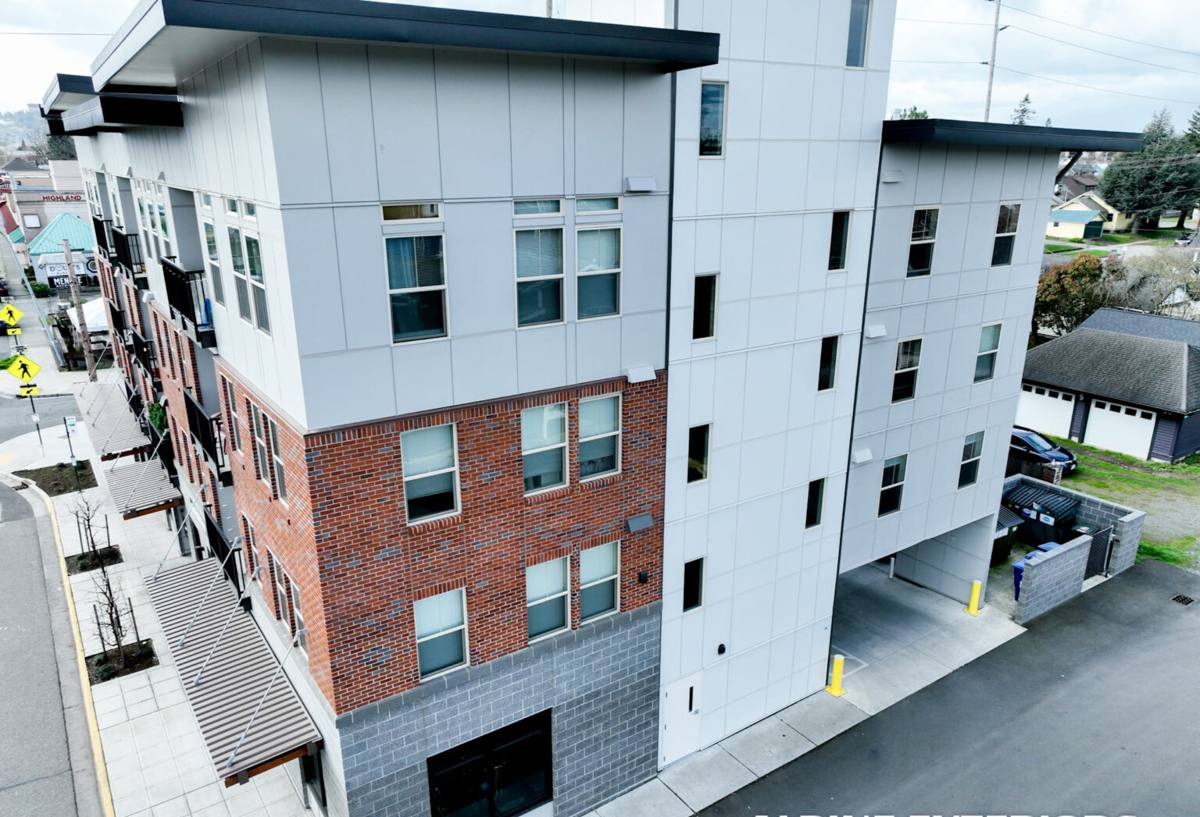
What Wiser Lake Homes Are Up Against
Moisture That Doesn't Let Up
Whatcom County gets a long, wet fall-through-spring stretch, and lakefront and near-lake properties tend to hold humidity longer than homes on higher, drier ground. That extra moisture in the air means siding, trim, and the water-resistive barrier behind it are working harder, more often, than siding on a typical inland lot. Any weak point in the water management of a siding system — a poorly lapped seam, a missing kick-out flashing, caulk used where flashing should have been — gets exploited faster here than in a drier climate.
Salt Air
Whatcom County's proximity to the Salish Sea means salt-laden air reaches inland properties, including the Lynden and Wiser Lake area, especially during winter storm patterns. Salt air accelerates corrosion of fasteners, staples, and any exposed metal trim, and it degrades certain siding finishes and coatings faster than a landlocked climate would. A siding system needs corrosion-resistant fastening and a finish that's engineered to hold color and integrity under that kind of exposure.
A Long Moss Season
Shade from mature trees, damp ground, and cool temperatures give moss and algae a long runway in this region — often most of the year on north-facing or heavily shaded walls, which is common around a lake. Moss holds moisture directly against the siding surface. On materials that aren't dimensionally stable or that absorb water at the panel or joint, sustained moss growth is one of the more common paths to hidden rot and swelling.
Why We Install Only James Hardie Fiber Cement
We do not install vinyl siding, LP SmartSide, Cemplank, Allura, primed spruce, or cedar. That's not a marketing position — it's a decision based on what actually holds up under Wiser Lake's specific mix of moisture, salt air, and moss exposure, and what we're willing to warranty our labor against.
Vinyl siding is affordable and low-maintenance in mild, dry climates, but it expands and contracts significantly with temperature swings, and in a wet, salt-exposed climate it tends to show its age faster — chalking, fading, and warping at the panel edges. Wood-based products, including cedar and primed spruce, offer a natural look many homeowners want, but they require ongoing maintenance (painting, sealing, moss treatment) to keep moisture out, and a missed maintenance cycle in a climate this wet can mean rot that's expensive to fix. Engineered wood products like LP SmartSide use a resin-treated wood strand core that resists moisture better than raw wood, but it's still a wood-based product at its core, and any breach in the factory coating — a cut edge, a fastener hole, a scratch during installation — is a point where moisture can get in.
James Hardie fiber cement is non-combustible, dimensionally stable (it doesn't expand and contract the way wood or vinyl does), and doesn't feed mold, moss, or insects the way a wood-based product can. Hardie's ColorPlus factory finish is baked on under controlled conditions and is built to hold color and resist fading, chipping, and cracking better than field-applied paint — which matters in a climate where repainting siding every few years isn't something most homeowners want to sign up for. Hardie also engineers specific product lines (their HZ5 line, for example) for regions with more moisture and freeze-thaw cycling, which fits the Pacific Northwest better than a one-size-fits-all product.
How Siding Materials Compare in This Climate
| Material | Salt Air / Moisture Resistance | Moss & Algae Resistance | Maintenance Burden | Typical Lifespan Here |
|---|---|---|---|---|
| James Hardie fiber cement | Strong — non-combustible, dimensionally stable | Doesn't feed organic growth; surface treatable | Low — occasional wash, no repainting on ColorPlus | 30+ years with correct install |
| Vinyl siding | Moderate — can chalk, fade, warp with heat/cold swings | Moderate; growth sits on the surface | Low, but limited repair options if damaged | 15-25 years |
| Cedar / primed spruce | Weak without diligent upkeep | Weak — organic material, prone to moss-driven rot | High — regular painting/sealing required | Highly maintenance-dependent |
| LP SmartSide / engineered wood | Moderate — better than raw wood, vulnerable at cut edges | Moderate; coating breach is the risk point | Moderate — coating and caulk upkeep | 20-30 years, install-dependent |
These are general patterns, not guarantees — every material's real-world performance depends heavily on installation quality, which is the next thing worth getting right.
What a Correct Siding Installation Actually Involves
Siding is a water management system, not just a finished surface. On a Wiser Lake home, a correct James Hardie installation includes:
- A properly installed and lapped water-resistive barrier behind the siding, with all seams taped per manufacturer spec
- Correct flashing at every window, door, and roof intersection — including kick-out flashing where a roofline meets a wall, one of the most common failure points we find on older homes
- Proper starter strip and clearance at the foundation so siding never sits directly against grade or a hard surface, which traps moisture
- Fastening with corrosion-resistant nails or screws, driven to Hardie's specified depth and pattern — not overdriven, which cracks the board's edge over time
- Correctly sized gaps at butt joints and trim, caulked with a product rated for the exposure, not just whatever's on the truck
- Factory-primed or ColorPlus-finished cut edges sealed in the field wherever a board is trimmed on site
- Ventilation behind the cladding where the wall assembly calls for it, so moisture that does get behind the siding has a path out
Skipping or rushing any one of these is usually invisible on install day. It shows up two, five, or ten years later as a soft spot, a stain, or a section that has to be torn off and redone — often at a much higher cost than doing it right the first time.
Our Process for a Wiser Lake Project
1. On-Site Assessment
We walk the property, check the condition of the existing siding and the sheathing underneath where accessible, and look specifically at moisture-prone areas: north-facing walls, roof-to-wall intersections, areas near grade, and anywhere moss or algae is already established.
2. Scope and Estimate
We put together a clear scope — what's being removed, what the wall assembly needs (house wrap, flashing, ventilation), and which James Hardie product line and profile fits the home. No pressure, no upsell script.
3. Tear-Off and Inspection
Once old siding comes off, we inspect the sheathing for hidden rot or damage before anything new goes on. This is the point where problems that caused the original siding to fail get found and addressed, not covered up.
4. Water Management and Installation
House wrap, flashing, and starter components go in first and get inspected before a single piece of siding is hung. Then the James Hardie boards or panels are installed to manufacturer spec, with attention to fastening, gapping, and sealed cut edges throughout.
5. Final Walkthrough
We walk the finished job with the homeowner, cover basic care, and make sure everything meets the standard we'd want on our own home.
Why It Matters to Hire a Crew That Already Works Wiser Lake
Siding installation isn't identical everywhere. A crew that mostly works drier, inland climates may not think twice about details that matter a great deal here — the extra flashing at a lake-adjacent wall, the fastener spec that resists salt air corrosion, or where moss is likely to establish first based on tree cover and sun exposure. A crew that already works Lynden and the surrounding Whatcom County communities has seen how local siding actually fails, not just how it's supposed to perform in a manufacturer's spec sheet. That local pattern recognition is what keeps small issues from becoming expensive ones.
It also matters for warranty follow-through. James Hardie's product warranty is strong, but it's paired with an installation requirement — the job has to be installed to spec for the full warranty to apply. A local crew that installs Hardie exclusively, on this kind of climate, day in and day out, is going to be far more consistent about hitting that spec than a crew that installs five different siding brands and treats installation instructions as optional.
What to Expect Long-Term
A correctly installed James Hardie system on a Wiser Lake home should need very little from you: an occasional gentle wash to knock off surface dirt or early moss growth, a periodic visual check of caulking and trim, and prompt attention if a tree limb or debris ever damages a section. You should not need to repaint the field of the siding on a ColorPlus finish, and you shouldn't be dealing with soft spots, swelling, or panel warping if the install was done correctly and the water management details were respected.
If you're planning a siding project on or near Wiser Lake, we're happy to walk the property, look at what your current siding is telling you, and put together a straightforward, no-pressure estimate. Use the form below to get started.